
We’re Defeating bad brewery regulations
Live music was illegal at Alaskan breweries. Then we won in court.
This is what winning looks like. In January 2026, a court struck down Alaska’s ban on live music at breweries after we represented Zip Kombucha in a lawsuit. This summer, Zip hosted a victory concert to celebrate.
Bring the Fight to Your Taproom
If your business is fighting a live music ban, a shipping restriction, a growler ban, or a similar restriction—you’re not alone, and you don’t have to fight it alone either.
Sign up to learn more.
Turn on the Taps
For decades, the craft alcohol industry has been a constitutional stepchild—saddled with arbitrary rules that would never survive in any other business. No live music. No trivia nights. No darts.
Pacific Legal Foundation is the national law firm ending these “little prohibitions,” one unconstitutional rule at a time. We’ve represented breweries, distilleries, and wineries from coast to coast—and we represent all our clients for free.
Zip Kombucha is the latest. It won’t be the last.


Zip Kombucha
Jessie Janes spent twelve years in the Army before joining the Air National Guard in Alaska. On the side, he turned a home-brewing hobby into Zip Kombucha: an Anchorage taproom that introduced the state to its first hard kombucha and that runs “Boots to Brew,” training fellow veterans for careers in brewing.
Jessie wanted to give his community what bars down the street already had: live music, dance lessons, open mic nights, the occasional game of darts. Alaska said no—unless he begged a state board for permission and capped his events at four per year. None of those rules applied to bars. None protected public safety.
So Jessie—joined by fellow Alaska brewers Grace Ridge Brewing and Sweetgale Meadworks & Cider House—sued, free of charge, with Pacific Legal Foundation. In January 2026, the court agreed: Alaska’s restrictions violated the First Amendment. Struck down.
The result: Music, dancing, craft brews, and fun.
PLF has represented craft producers across the country.
Zip Kombucha isn’t a one-off. It’s one win in a long fight to free craft breweries, wineries, and distilleries from nonsensical rules that make it hard to stay open.
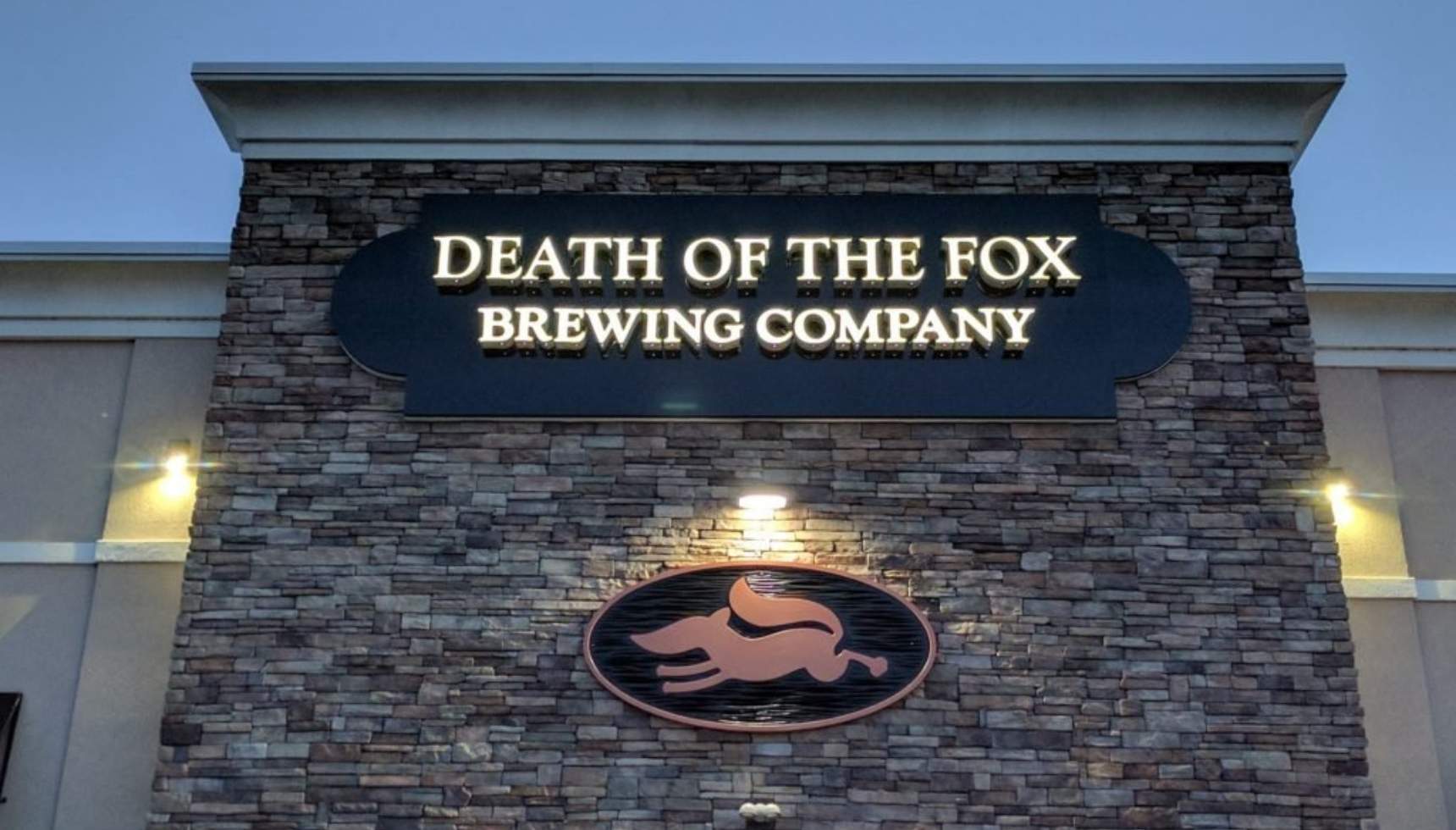
Death of the Fox Brewing Co.
New Jersey
New Jersey regulators secretly gutted small breweries’ right to host live music, trivia nights, and fundraisers—capping events at 25 a year, with no public input required by law. After PLF helped Death of the Fox sue, the legislature confirmed the rule was never valid. It was withdrawn.
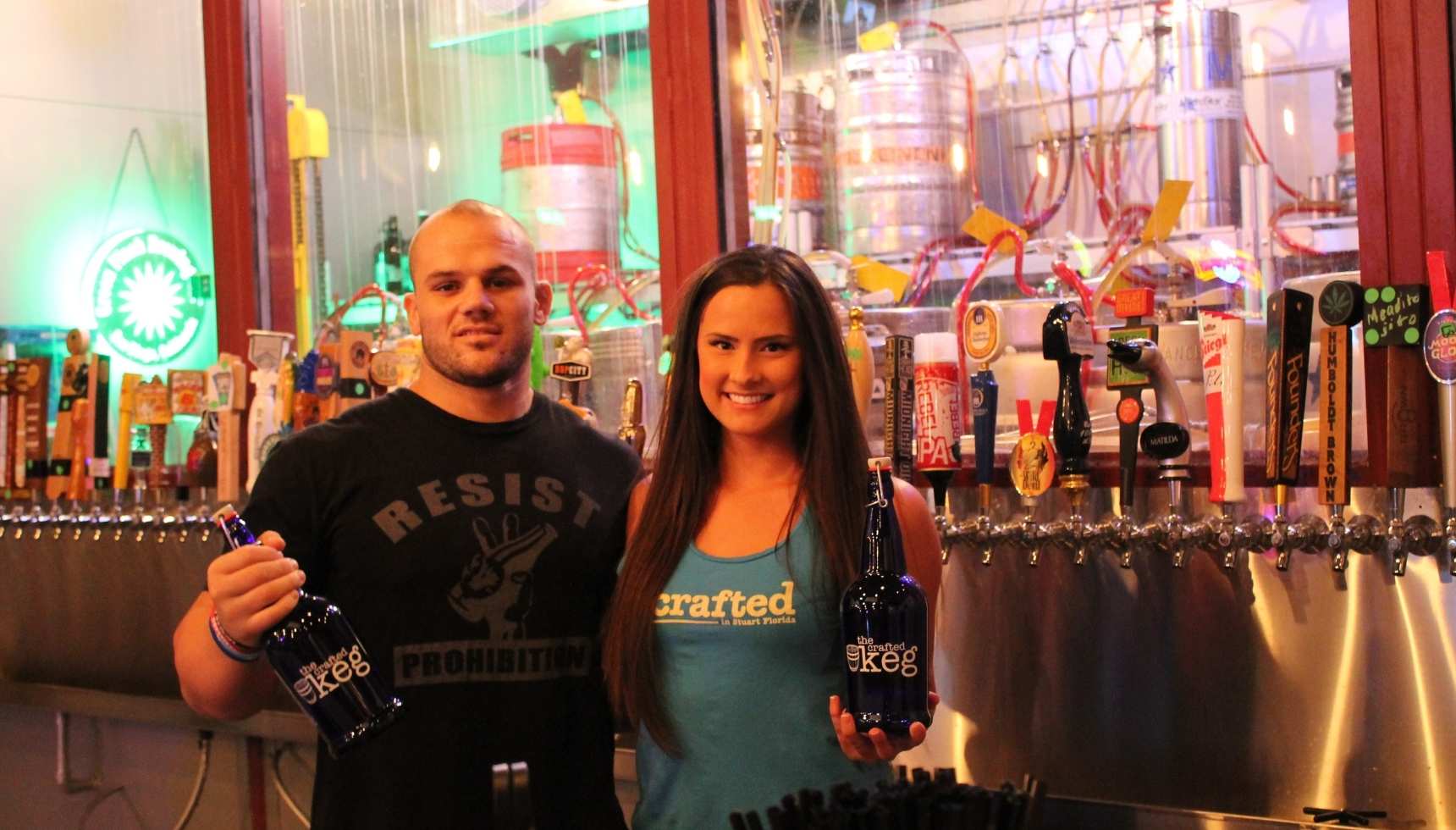
The Crafted Keg
Florida
Florida banned the sale of 64-ounce beer growlers while allowing 32-ounce and 128-ounce containers, a rule that protected big producers at the expense of craft brewers. After PLF helped Crafted Keg sue, Florida’s legislature voted to unanimously repeal the ban.
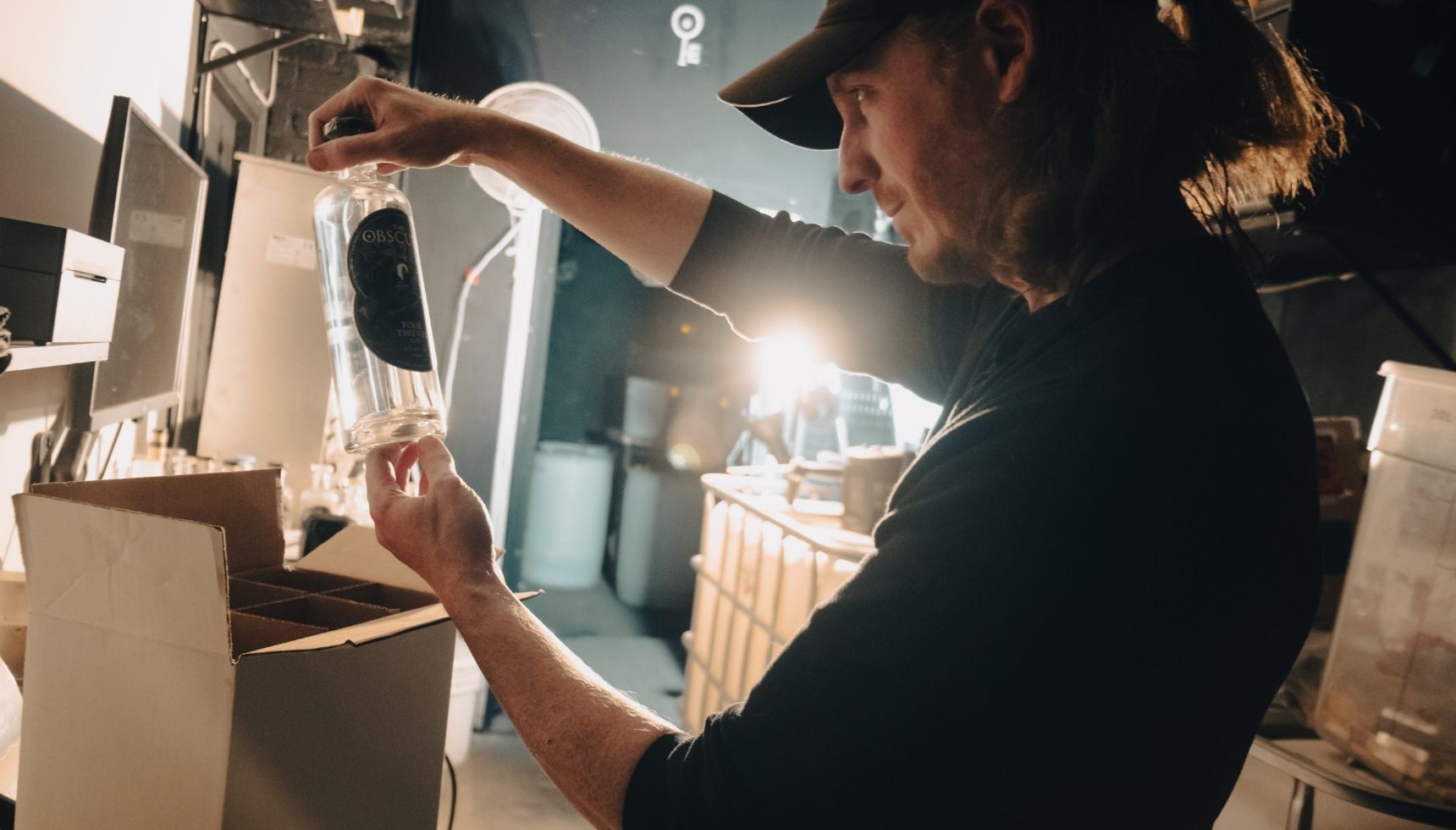
The Obscure Distillery
California | New York
A New York shipping law let in-state distilleries ship direct to customers but locked out a California distillery— punishing it for a reciprocity rule it had no part in writing. After PLF helped the Obscure sue, California changed its laws to satisfy New York demands.
Chef Geoff’s
Virginia
Virginia let restaurants hold happy hours but banned them from advertising the prices or calling the specials anything creative — no puns, no “two-for-one.” After PLF helped Chef Geoff Tracy sue, Virginia changed its law to allow restaurants to speak truthfully about their own drinks.

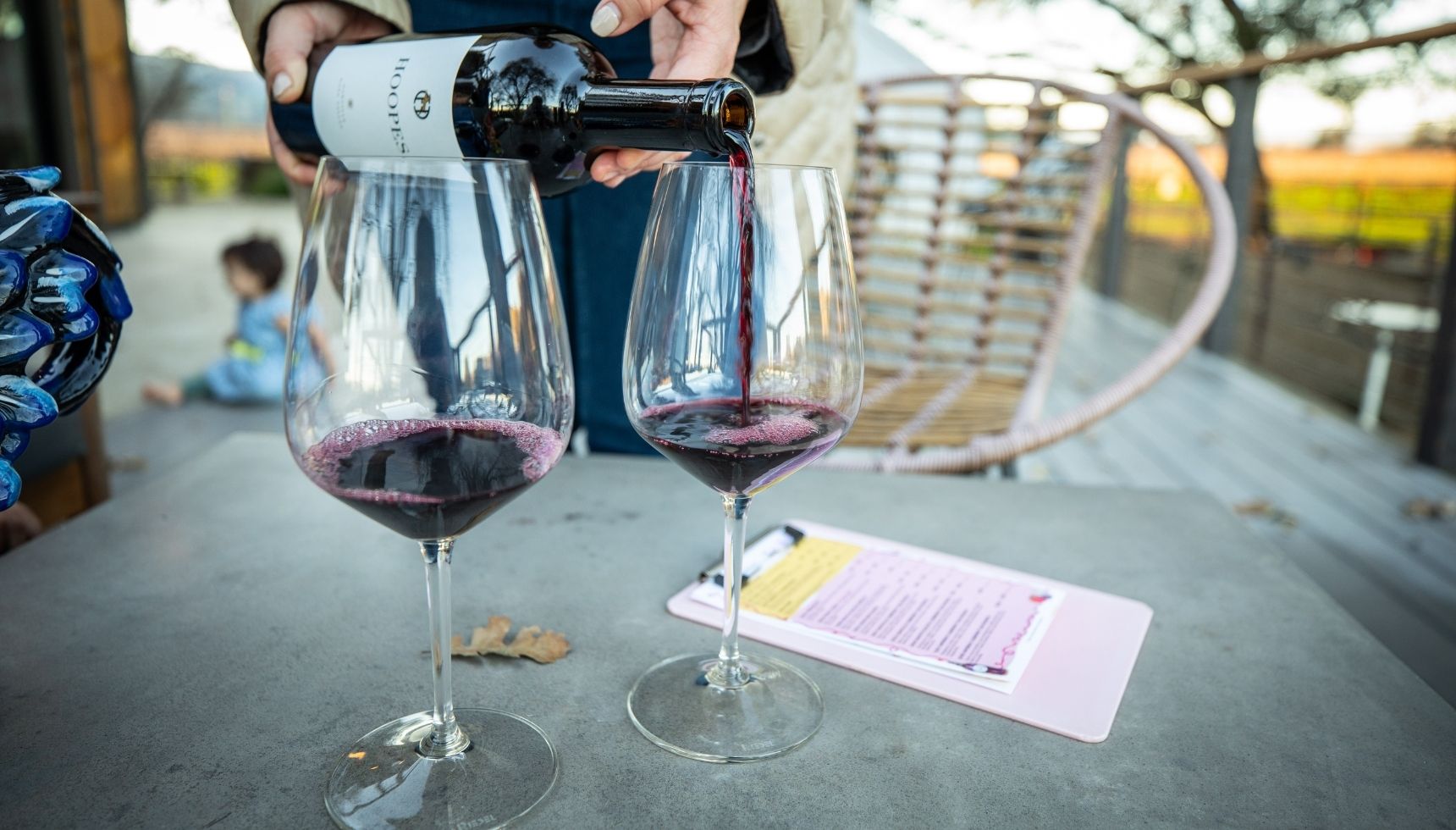
Hoopes Vineyard
Napa County, California
Active: A 40-year family winery with zero public complaints was fined more than $3.5 for hosting wine tastings. PLF is currently defending Hoopes against the excessive fine.
Kōloa Rum Company
Hawaii
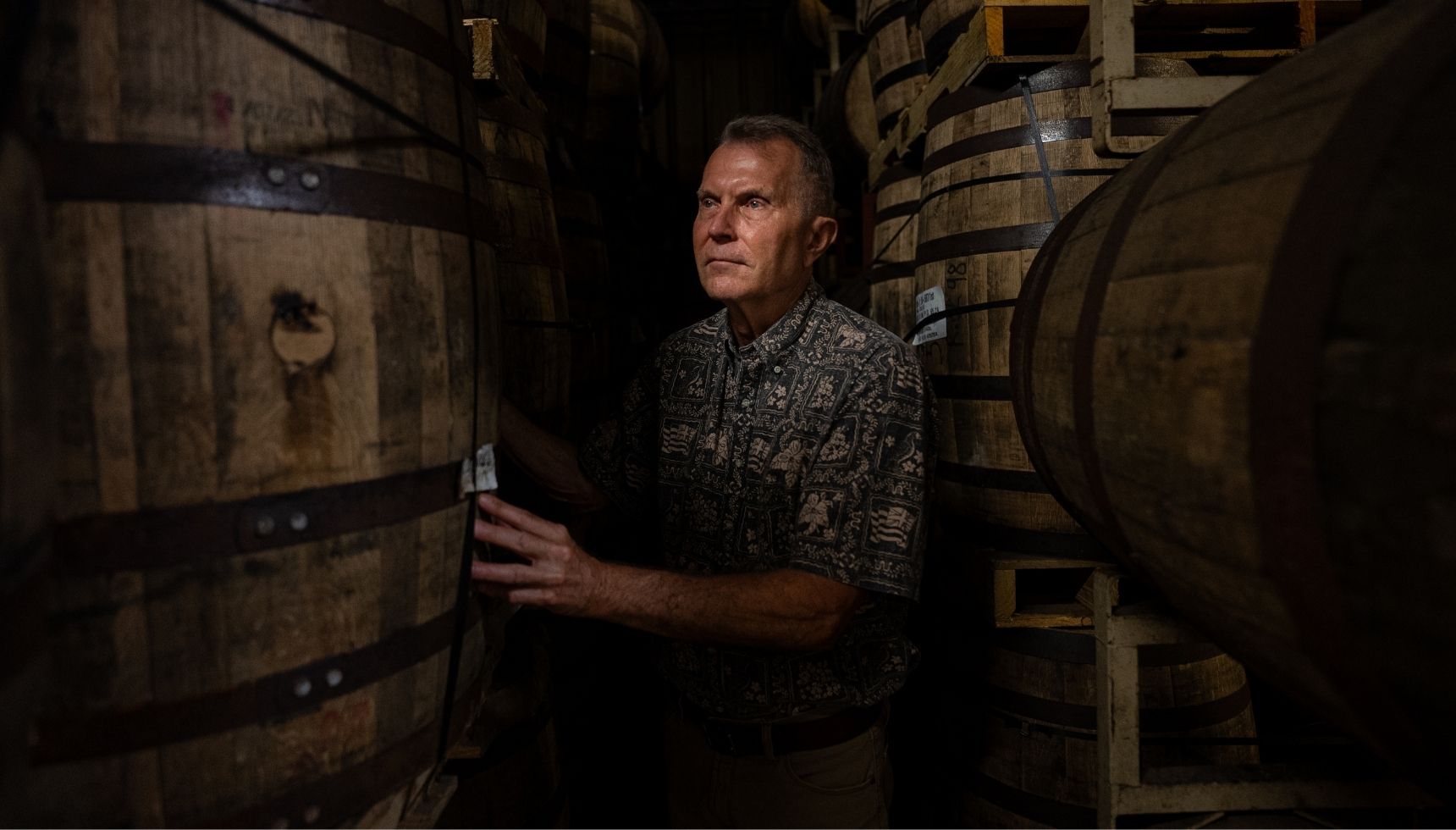
Active: A century-old federal shipping law forces this Hawaii distillery to route its products through Los Angeles before they can go anywhere else, taxing it with shipping costs nearly triple what the same distance costs elsewhere. PLF represents Koloa Rum Company in an active lawsuit.
Join the Fight.
Turn on the Taps.
Pacific Legal Foundation is a 501(c)(3) nonprofit organization. © Pacific Legal Foundation, 2026. Privacy Policy