

Jessie Janes spent twelve years in the U.S. Army and now works full-time for the Air National Guard in Alaska. Hardworking and entrepreneurial, he transformed his home brewing hobby into Zip Kombucha, a brewery and taproom in Anchorage that introduced Alaska’s first hard kombucha drink, among other beverages.
In addition to running Zip’s brewery operations, Jessie started “Boots to Brew,” a training program that prepares servicemen and women for post-military career opportunities. Apprentices experience the brewery business and develop skills in areas they are drawn to, such as sales, events, or quality control.
Jessie wanted to offer the Zip community live entertainment and events, from musical acts and dance lessons to open mic and painting nights, without needing government permission, just like bars do. The Alaska government forbade it.
Historically, entertainment and games in breweries and wineries have been completely banned. In the past, the Alcohol Beverage Control Board has denied proprietors’ requests to host events such as poetry readings, craft classes, and storytelling hour. Moreover, these establishments were prohibited from providing seating at the bar where alcohol is served, and they were required to close up shop before prime-time TV began.
After a decade of wrangling to bring the state’s alcohol laws up to date, not much had changed. Breweries and wineries were “generously” allowed to host up to four events per year, but that’s if the Director of the Board approved the request. Additionally, proprietors must pay a $100 fee, and if they apply fewer than three days in advance it’s $200. (Games like darts and pool remain strictly prohibited.) These businesses could stay open an hour later—until 9 p.m.
None of these restrictions applied to bars. Nor did they bear any relationship to protecting the public from harm.
The new law served only to hamstring breweries and wineries from creating prosperous, family-friendly environments, especially in Alaska’s tourist-heavy areas. Furthermore, live entertainment, such as music, is protected as free speech under the U.S. and Alaska Constitutions. The government can neither block protected expression nor subject it to unconstitutional permitting requirements.
Represented at no charge by Pacific Legal Foundation, Jessie, Zip Kombucha, and several other breweries and wineries challenged the state’s unconstitutional restrictions, which applied unequally to hamper some businesses in favor of others.
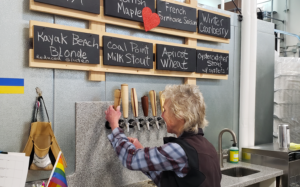
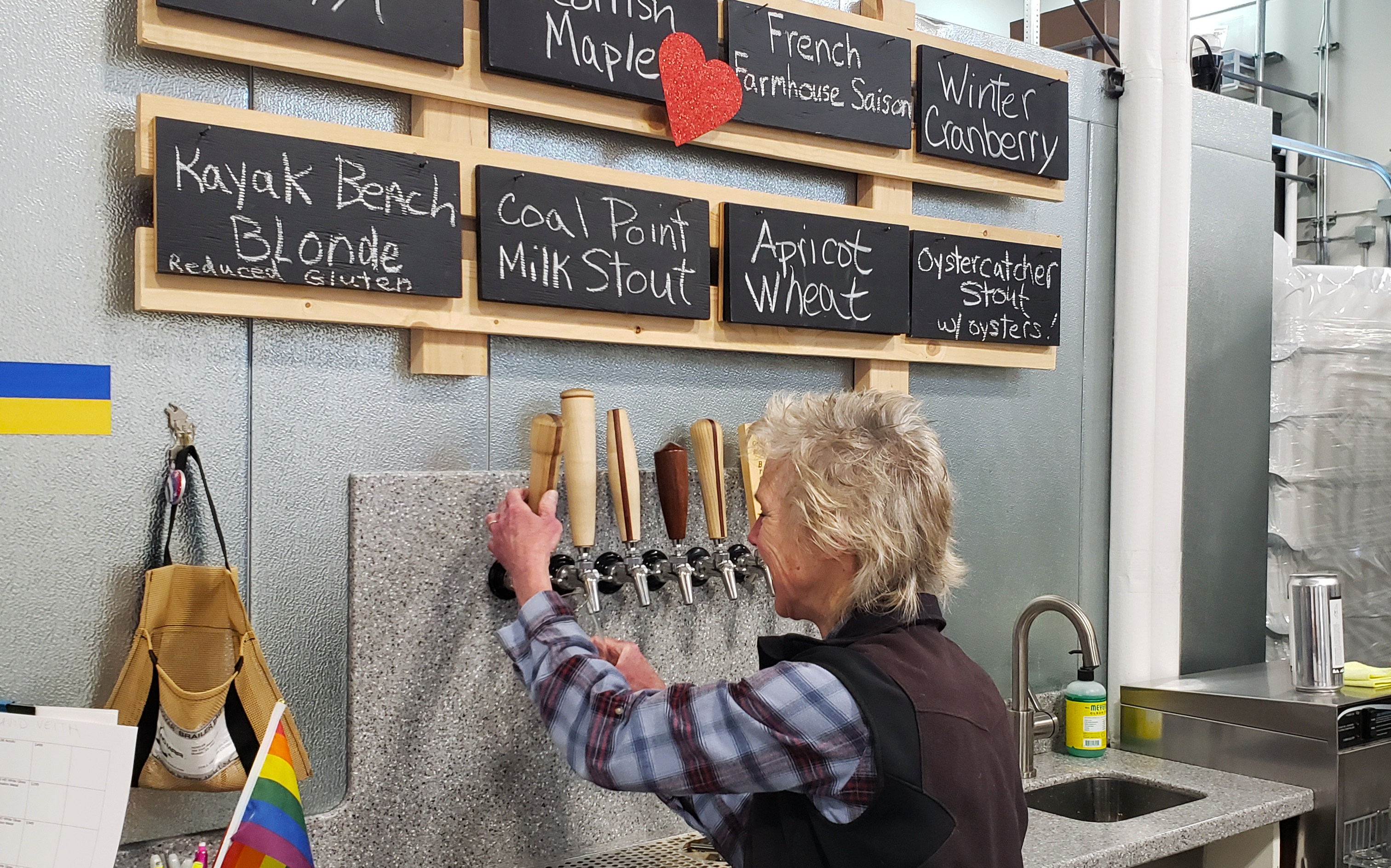
- Don and Sherry Stead opened Grace Ridge Brewing after tinkering with garage brews for several years. They managed to survive the pandemic by offering 32-ounce to-go cans and filling growlers. The Steads’ success is a result of their strong involvement in the community, including supporting local artists, offering workshops, and hosting fundraisers.
- Jason Davis turned his small-scale homemade winemaking and beekeeping operations into a business, Sweetgale Meadworks & Cider House. His affinity for his community is inherent in his creations, made completely with local ingredients. He is also involved in the community outside of work, with a seat on the Homer, Alaska, City Council.
These entrepreneurs filed suit in Alaska state court. In addition to the free speech guarantees of the Alaska and U.S. Constitutions, plaintiffs brought a claim under the Alaska Constitution’s Equal Protection guarantee, alleging denial of protection under the state’s “Rewards of Industry Clause.”
In January 2026, the court ruled that Alaska’s regulations unlawfully restrict free speech, violating both the First Amendment and the Alaska Constitution’s free speech guarantee. It also held that Alaska’s protectionist restrictions were not supported by any legitimate government interest, and it struck them down.
The ruling restores equal footing for Alaska’s breweries and wineries with respect to providing certain forms of entertainment and affirms that the government cannot censor expression or suppress competition through regulation.
What’s At Stake?
- Alaska kneecaps breweries and wineries in order to protect bars from competition. Restricting them from providing entertainment—including live music, TV, games, karaoke, and contests—does nothing to advance public health, safety, or welfare.