

In New Jersey, a PLA cost taxpayers $153,000 more for the same road
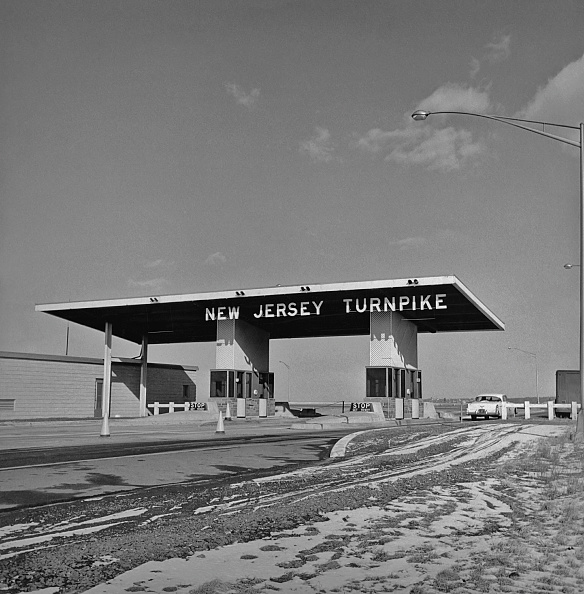
Earle Asphalt Company has been building the infrastructure that holds New Jersey together since 1968. The company has grown into one of the state’s most established heavy civil contractors, with a workforce of 650 employees and a portfolio that includes major public projects like the New Jersey Turnpike.
The company was recognized as a New Jersey Top Workplaces employer and received national recognition from the National Asphalt Pavement Association. Their safety rating is one of the highest in the state.
But owner Michael Earle is unequivocal when asked what differentiates the company from its competitors: “We all use the same equipment… we all use the same aggregates… The only difference that we have is our people, and we constantly try to showcase our people.”
At Earle, relationships drive results
Earle has operated as an open shop since its founding, meaning workers and management communicate directly, without going through an intermediary. It offers real upward mobility, with one former intern working his way up to vice president over the course of two decades. This approach seems to have paid off; in an industry with high turnover, the average tenure for senior employees is 18 years.
The company is also recognized nationally for second-chance hiring, opening its doors to people who have paid their debt to society and are ready to prove themselves.
That culture is currently at the center of a federal lawsuit. Pacific Legal Foundation is representing Earle in a challenge to New Jersey laws that force contractors to meet race- and sex-based hiring quotas and submit to union-controlled project labor agreements (PLAs) as a condition of competing for public contracts.
One New Jersey municipality, Evesham Township, put the cost of such burdensome PLA requirements on full display.
When the lowest bid isn’t good enough
When Evesham Township opened competitive bidding for its 2025 Road Program, Earle submitted a bid of $1,463,513.13—the lowest of all offers received.
Seven days after, the Township passed a resolution mandating PLAs.
PLAs require contractors to operate under union terms and conditions on a given project. They are often promoted as a way to ensure quality and safety, but their more reliable impact is driving up costs by excluding non-union contractors from competing.
Evesham rebid the same work, this time with the new PLA requirement attached. Every rebid came in higher than Earle’s original bid; the lowest was $1,617,411.
That was over $150,000 more than Earle’s price. Evesham taxpayers will now pay that difference for the exact same road work. And that’s only one project.
Beyond Evesham
As PLAs become the norm across New Jersey, taxpayers will continue to overpay while qualified workers lose the opportunity to compete.
For a company built on direct relationships between management and employees, being forced to channel all employment decisions through a union undercuts Earle’s relationship-based model—the one that earned the company awards, substantial growth, and impressive employee retention.
It’s also a First Amendment violation, a claim at the heart of Earle’s lawsuit. The First Amendment protects the right to speak as well as the right to freely associate—or not. Compelling a contractor to work through a union its employees never chose as a condition of competing for public contracts violates that guarantee.
Michael Earle is clear that the company has no issue with unions, only with being forced into one, against its employees’ wishes.
“This isn’t about me… this is about our people… If they want to go to the union, God bless ’em, go to the union,” says Michael. “But if they don’t, it’s my job and my responsibility… to make sure that they have a place to work for prevailing wage dollars if they so choose.”