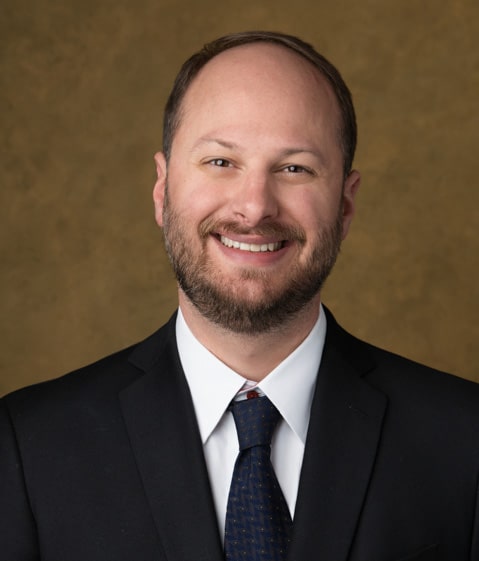


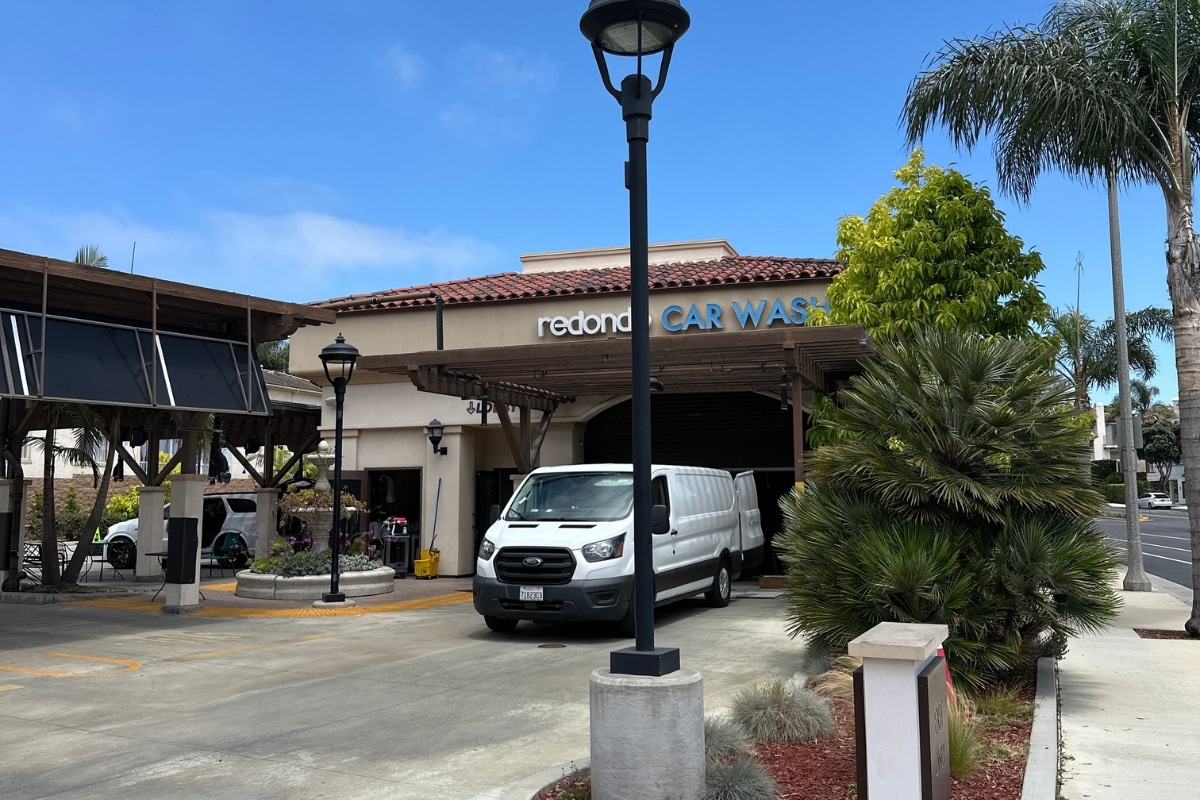
In 2012, Los Angeles-based entrepreneur Christopher McKenna bought a car wash in Redondo Beach, California, along with two business partners. The businesses were doing well until December 2024, when the Labor Commissioner’s Office (LCO) unfairly jeopardized the future of Christopher’s car washes.
Under California’s labor laws, car washes must post and maintain a $150,000 surety bond to legally operate within the state. The bond requirement was created to discourage unlawful labor practices, like wage theft and lack of overtime pay, by making employers financially liable. Satisfying this requirement has never been an issue for Christopher.
Yet, in December 2024, the LCO issued Christopher sweeping wage-and-hour citations totaling more than $810,000. Christopher was shocked, and he barely had time to process the news before the situation escalated. Just a few weeks later, without any prior notice nor any opportunity to formally contest these allegations, the LCO moved forward with enforcement, issuing two bond claims, each for $150,000, demanding immediate payment of the total amount of the bonds for both car washes.
The bond surety company responded by refusing to renew the bonds for either car wash. In January, just over a month after the citations had been issued, the bond company sent notices of cancellation to Christopher. Without the bonds needed to legally operate the business, both car washes would be forced to shut their doors.
Not once during this process was Christopher given the opportunity for a hearing to respond to the allegations made against him. Worse still, the LCO never presented him with any evidence of wrongdoing. Christopher maintains that these allegations are both unfounded and legally excessive, but he was never able to make his case.
Both the U.S. Constitution and the California Constitution protect the right to due process, which requires a fair and impartial process before the government can deprive someone of their rights or property. This right is rooted in the separation of powers, which ensures that no branch of government can exercise unchecked authority. In the LCO’s case, the enforcement against Christopher was carried out by a single official—a deputy labor commissioner—who played the role of investigator, prosecutor, and judge and denied Christopher the right to appeal to an external judicial body.
As a result of the LCO’s unconstitutional actions, Christopher has suffered devastating economic losses. The agency later demanded $750,000 to settle the matter—without ever giving him the chance to review the evidence against him or contest the allegations. To this day, Christopher is unclear how the LCO arrived at this number.
Christopher had to sell Rock N Roll Car Wash at a $5 million loss to have a chance to save any part of either business. It is highly unlikely that he will ever recoup the money he lost.
Christopher believes the LCO has a pattern of targeted harassment, with allegations of agency officials posing as customers during inspections and pressuring employees to allege wage claims. These shady tactics, combined with the complete lack of due process and excessive penalties, led Christopher to believe that he has become a target of executive overreach.
Administrative officers, like the LCO commissioner, cannot deny individuals their right to due process by acting as investigator, prosecutor, and judge, nor can they demand arbitrary and disproportionate economic penalties.
Small businesses deserve fair hearings before agencies impose penalties that destroy livelihoods, and unchecked power violates constitutional rights. Represented at no charge by Pacific Legal Foundation, Christopher is fighting back against the labor agency’s unconstitutional actions.
What’s At Stake?
- Business owners have a constitutional right to due process before the government can take actions that effectively shut down their operations.
- The California Labor Commissioner’s Office (LCO) can’t act as investigator, prosecutor, and judge as it did in this case.
- When the government effectively regulates you out of your business—like the LCO did here—without any hearing or compensation, it violates the protections against uncompensated regulatory takings in the California Constitution.