


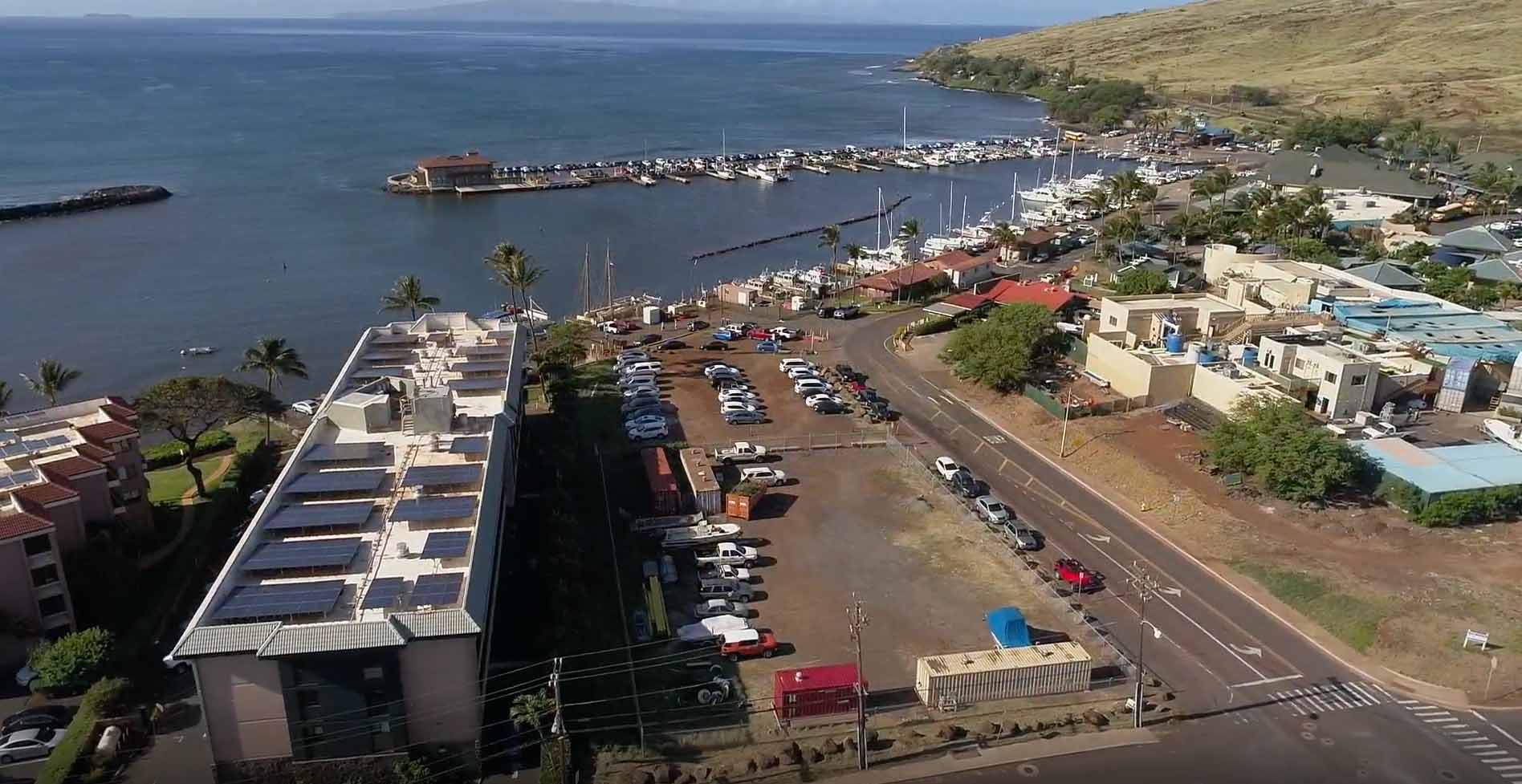
Don Williams bought a vacant, one-acre piece of land on the south Maui coast in 1994. When he became a single father, he quickly came to view the property and the rental income it brought in as an investment in his son Sebastian’s future.
Adjacent to the State of Hawaii’s Maalaea Small Boat Harbor, the property was an ideal location for providing public parking and meeting storage needs along the harbor. In 1994, soon after Williams purchased the land, the State’s Harbors Division agreed to lease the property for just that purpose, signing a 30-year contract.
But 20 years into the 30-year lease, the State abruptly decided it didn’t want to pay to rent the property any longer. It broke the lease without notice, stopped paying rent, and filed an eminent domain lawsuit against Williams to take his property.
The U.S. Constitution requires the government to pay just compensation for such a taking. But the State decided that the “just” compensation it owed Williams was $4.1 million—a sum far below the $7 million that an independent appraiser determined the property was worth. When Williams countersued for the actual value of the property and over the State’s breach of contract, litigation dragged on for years before the government proposed a new figure, this time even lower. Relying on a new appraisal that wrongly deflated the property’s value to $2.7 million, the State demanded that Williams pay $1.5 million for the loss of his own property.
The government has to pay you for what it takes through eminent domain—not force you to pay for the taking of your own property.
In July 2025, after a nearly 13-year odyssey through Hawaii’s trial and appellate courts, Williams secured a major victory. The Maui trial court determined that, when the government took Williams’ property in 2013, its fair market value was $7 million—not either of the lower figures the State had claimed. The court then ordered the government to pay Williams every penny it had previously refused to pay, plus just compensation for the years-long delay in payment.
But instead of accepting the court’s ruling and paying Williams the money it owed him, the State filed an appeal. Represented by Pacific Legal Foundation, along with Honolulu eminent domain attorney Mark M. Murakami (Damon Key Leong Kupchak Hastert, LC), Williams is now defending the lower court’s ruling and vindicating his constitutional rights at the Hawaii Intermediate Court of Appeals.
What’s At Stake?
- The Constitution protects Americans’ private property, requiring the government to pay just compensation when it takes property. That compensation must be fair and based on the market value of the property at the time it is taken.