

In Divided Maine, Privacy from the Government Transcends Party Lines
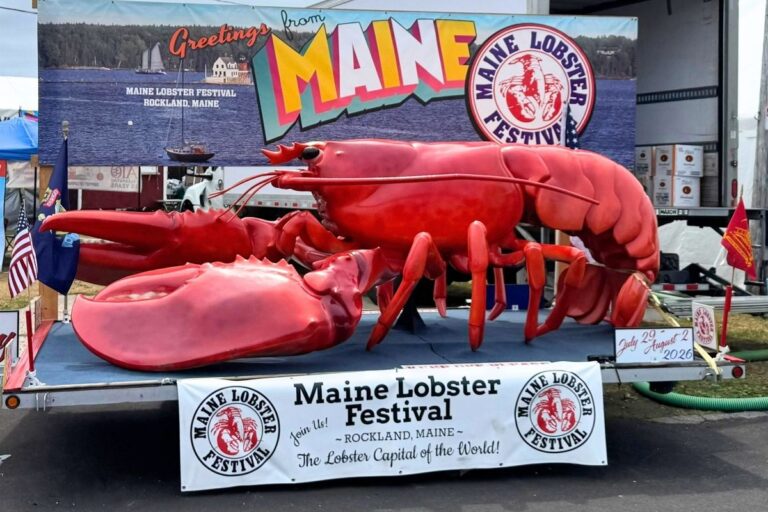
This year’s Maine Lobster Festival hosted a motley political crew. Ardent Trump supporters, bleeding-heart liberals, and everyone in between gathered to eat their favorite crustacean.
One political issue cut through the food-centric affair. And attendees overwhelmingly agreed. The government should not be tracking lobstermen.
Beyond the mass of seafood and local crafts, hundreds of people found their way to the booth I was working. Visitors were met with an intricate model lobster boat and free stickers reading “Free The Lobstermen.”
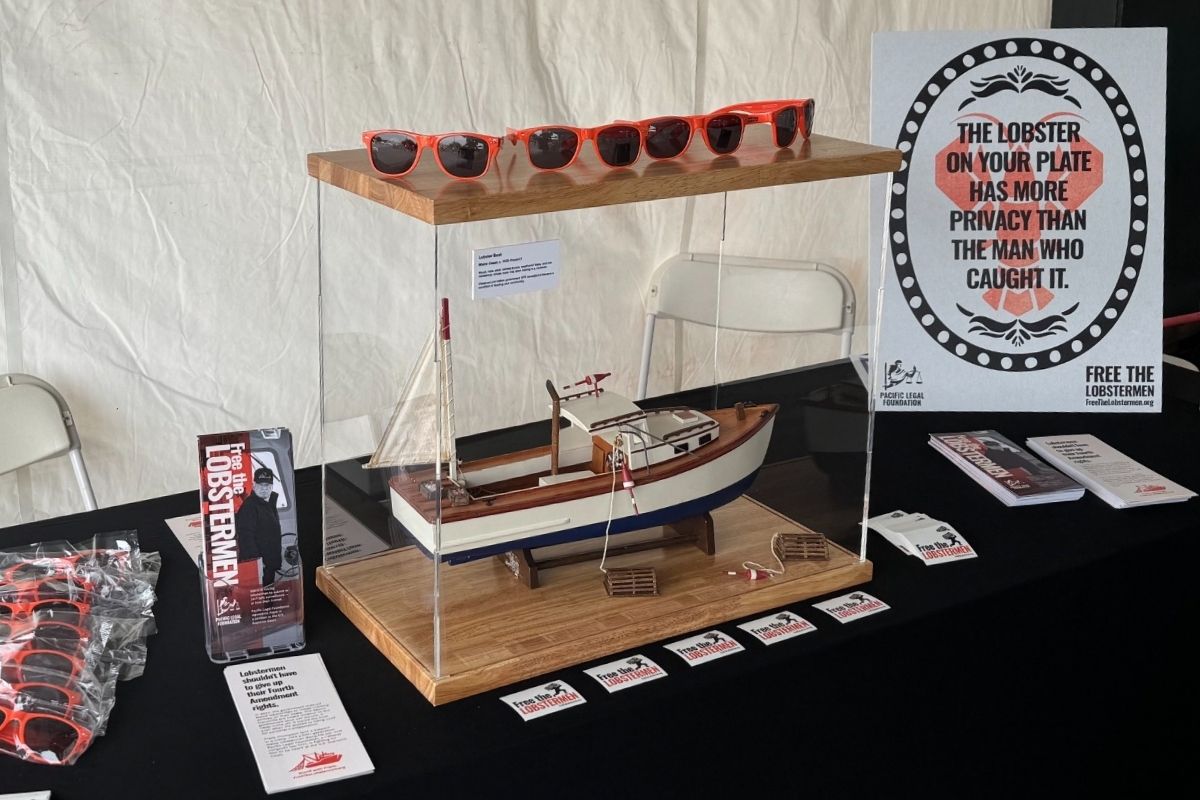
“The government is spying on lobstermen,” I said, hoping to lure people in.
A young man in a rainbow-colored T-shirt reading “ABORTION IS HEALTHCARE” approached. I braced for skepticism—my organization is often perceived as right-wing.
Instead, he was intrigued.
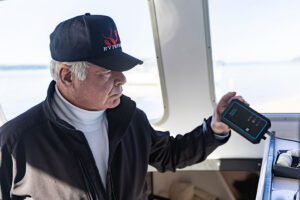
I explained that the federal government requires lobstermen from Virginia to Maine to carry GPS tracking devices on their boats. Those “black boxes,” as locals call them, must continue transmitting their location to the government even when they’re not fishing.
“I spoke with several local lobstermen yesterday,” I continued. I explained they all use their lobster boats for personal use. One guy used his boat to take his pregnant daughter to the hospital. Another often takes his family out on the water for fun. Even then, their black boxes had to ping to the government.
That’s because the government says workers in “closely regulated industries” can be tracked without a warrant. And if our client loses in court, people in other industries could be deemed unprotected from surveillance, too.
He scrunched his face in disapproval, asked how he could support our work, and thanked me for sharing the issue with him.
Later, a young man from Michigan with a mullet, mustache, and trucker hat stopped by.
“When did this start?”
“2023.”
“Ha! F—in’ Biden. I knew it.”
Two people who seemed worlds apart politically. Yet continuous government location-tracking elicited virtually the same reaction.
And they were hardly alone. I spoke with hundreds of people from across the country with varying political views. Republicans, Democrats, libertarians, and wholly apolitical visitors all opposed the lobster-boat tracking requirement.
Their opposition emerged in a rare political vacuum.
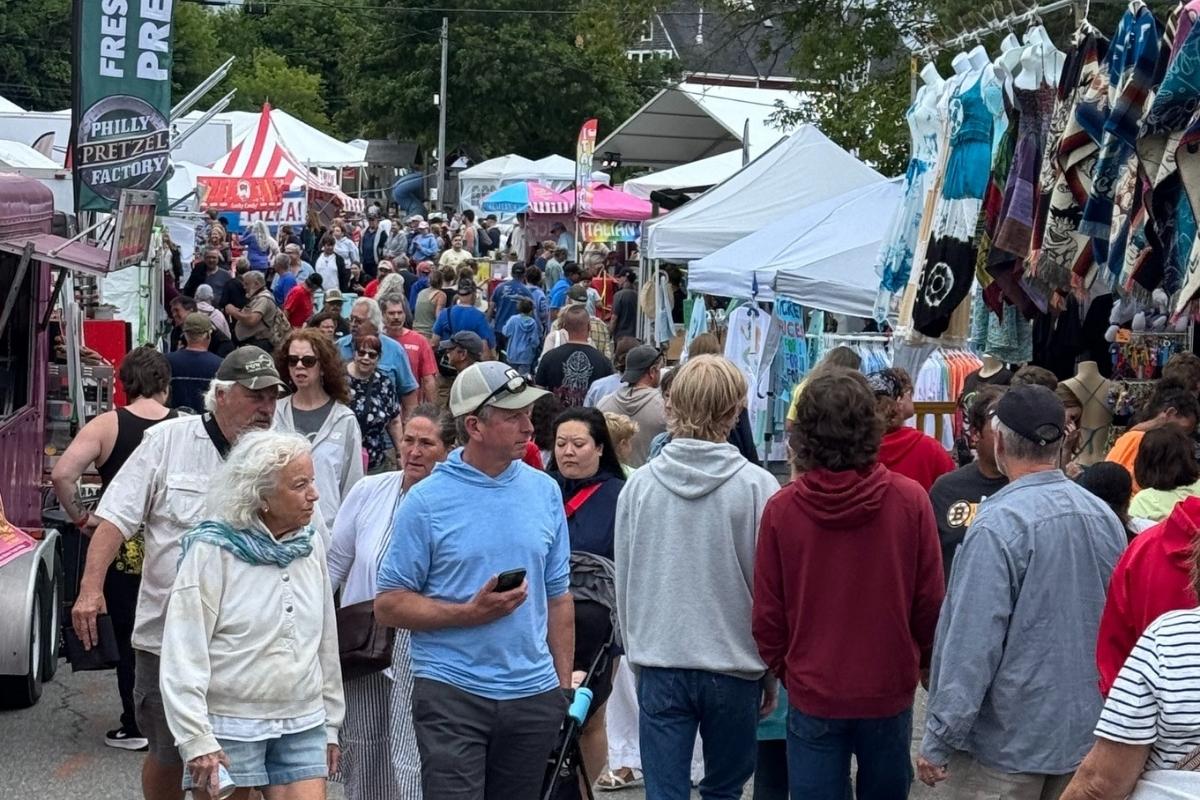
Most had never heard of the tracking requirement before. There were no cable news segments or social media reels to guide their reaction. They were hearing about the issue for the first time as they wandered through a food festival. In most cases, they heard much of the same message from me: The federal government continuously tracks lobster boats to collect location data for regulatory purposes, including conservation and energy development. I said nothing about who implemented the requirement or how it’s politically coded.
Stripped of the usual partisan cues, Republicans and Democrats arrived at much the same conclusion. And most partisans didn’t ask where their side stood. They assumed their tribe agreed with their gut reaction, and many believed the other side was to blame.
When I explained the tracking requirement to one woman, she shook her head.
“This administration is crazy. They’re trying to invade everyone’s privacy—especially women’s bodies!”
Another woman reached the same conclusion but blamed “crazy environmentalist liberals in Augusta” for overregulating Maine lobstermen.
They must have done this.
That partisan confidence was particularly striking among Mainers, who will soon decide one of the country’s most consequential Senate races between Republican Susan Collins and Democrat Troy Jackson.
“I’m sure Jackson will fix this when we get him in office,” one supporter told me confidently.
A halibut fisherman and longtime Collins supporter made a similar assumption. “What has Collins done to try and get rid of this?” he asked.
My answers to both were equally disappointing. I could find no public position from either candidate on the tracking requirement.
Some may be reluctant to support lobstermen’s privacy because of the environmental justification attached to the tracking requirement. But that would be a mistake. At the Lobster Festival, no one was persuaded that an environmental goal justified tracking lobster boats wherever they go.
The government’s rationales—including conservation, energy development, and fishery management—may themselves be worthwhile. But constantly tracking lobstermen is another matter.
The Fourth Amendment is supposed to constrain the government’s ability to watch us. Yet the courts have upheld the boat trackers under an exception permitting warrantless searches of “closely regulated” industries.
That should concern more than lobstermen. If the nature of some occupations can justify minute-by-minute government tracking, the black boxes will not end in New England.
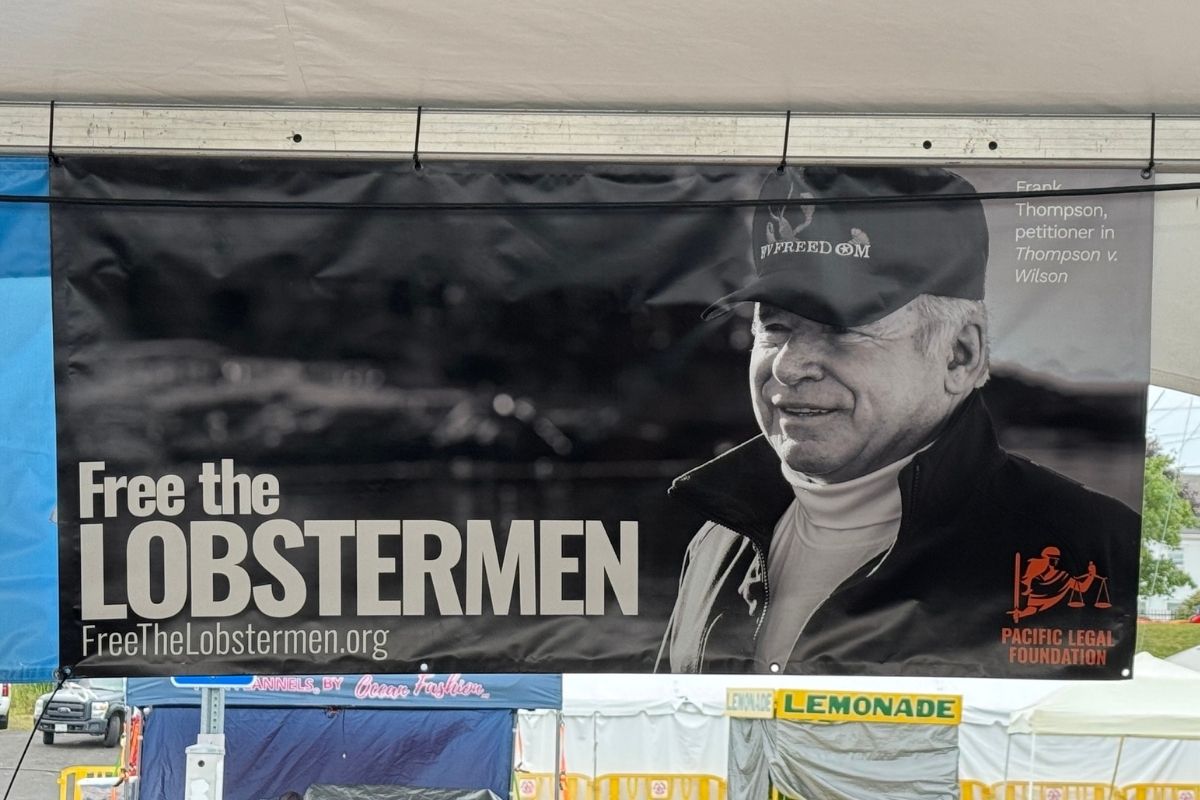
The fight for lobstermen’s privacy is being waged by Frank Thompson, a fifth-generation Maine lobsterman represented by Pacific Legal Foundation. He is asking the Supreme Court to hear his challenge to the tracking requirement. The Court will decide whether or not to hear his case on September 28.
In the meantime, Collins, Jackson, and politicians far beyond Maine would be wise to hear the rare consensus that rang out at this year’s Lobster Festival. Without tribal signals, Americans who agree on little else agreed on this: the government should not be tracking us.