

The Washington Post: A century-old law could cost these fishermen their livelihoods
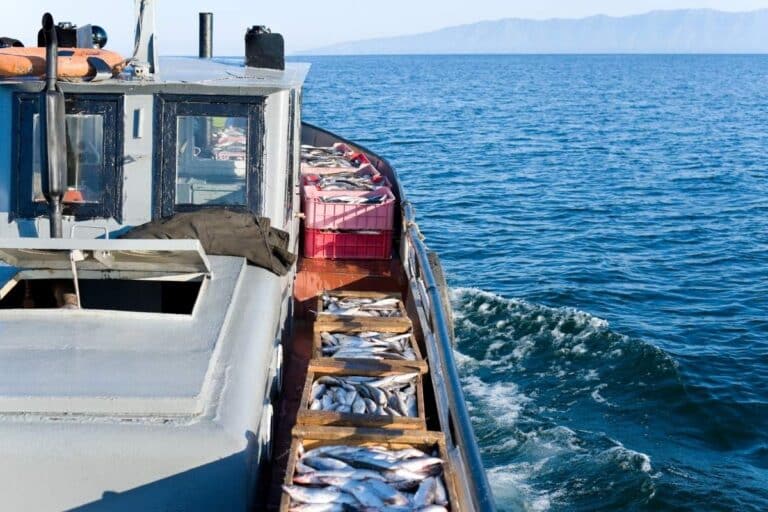
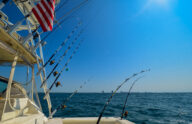
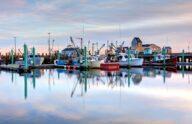
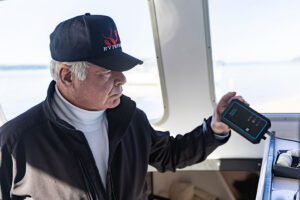
For more than four decades, Bob Conrad has made his living fishing the waters of the North Atlantic. He’s a Vermonter who knows the rhythms of the ocean as well as most people know their morning commute: the best tides for squid, the subtle signs that butterfish are nearby. Frank Green, a New Yorker with nearly 50 years experience at sea, studies similar patterns to find great northern tilefish. The two commercial fishermen have spent much of their lives working the Georges Bank region, a famously fertile fishing ground just off the coast of New England.
But in 2021, a presidential proclamation by Joe Biden — applying a law more than a century old that had nothing to do with fishing when it was passed — banned commercial fishing across more than 3 million acres of Georges Bank. The livelihoods of Conrad and Green, whom we represent in a lawsuit against the ban, and countless others were harmed by the proclamation.
Biden’s move revived a ban originally instituted in 2016 by President Barack Obama, who used the Antiquities Act, a 1906 law written to protect Native American archaeological landmarks from looting, to designate the Northeast Canyons and Seamounts Marine National Monument. President Donald Trump lifted the ban on commercial fishing in 2020; Biden brought it back during his first year in office.
The ban’s proponents champion it as a bold environmental measure, but fishermen who work these waters must already comply with strict environmental regulations designed to prevent overfishing, including the Endangered Species Act and the Marine Sanctuaries Act.
Over the years, presidents from both parties have used the Antiquities Act as a sort of superpower, declaring huge tracts of land and ocean as “national monuments” with the stroke of a pen. Once that happens, the consequences can be severe — vital resources are often locked away from communities that depend on them.
The Atlantic Ocean should not be considered “land” under the Antiquities Act. Congress enacted the statute 119 years ago, and the text of the law does not reference the ocean’s seabed or floor.
If Conrad or Green tried to fish those waters today, they’d face criminal fines and up to 90 days in jail. A 2024 National Oceanic and Atmospheric Administration rule imposes additional penalties: up to $100,000 in civil fines per day, liens on violators’ boats and the loss of commercial fishing permits.
There is an easy fix: Trump should simply rescind the Obama-Biden ban again. But the problem goes beyond a single unwisely designated “monument.” If the president can declare millions of acres of ocean floor a national monument, where does that power end? What resources will be roped off next?
For years, courts have largely deferred to the president when these monument designations are challenged. But some justices have raised their eyebrows. Chief Justice John G. Roberts Jr., in a concurrence denying review in one Antiquities Act case, noted that what began as a narrow authority to protect specific landmarks has morphed into a power “without any discernible limit” to cordon off “vast and amorphous expanses of terrain above and below the sea.”
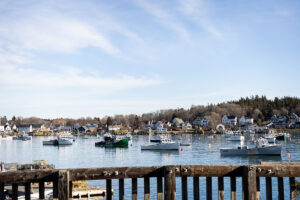
It’s easy to talk about these issues in sweeping political or legal terms — executive power, legal precedent, environmental protection. But behind the legal language are real people whose livelihoods are affected. Conrad and Green don’t see the ocean as a topic for political debate; they see it as a resource that puts food on their tables and takes care of their families.
If monument designations are to be made, the text and intent of the Antiquities Act should be honored by applying it in a limited way to discrete areas, not entire ecosystems and landscapes. The ocean may be vast, but the room left for many fishermen seems to be shrinking by the day.
This op-ed was originally published in The Washington Post on November 6, 2025.