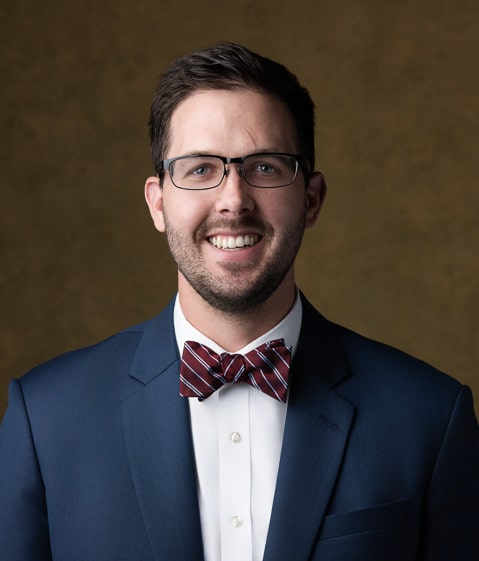


For 56 years, Ted Maack called California home. Born and raised in the San Francisco North Bay, he built a successful trucking business and deep roots in the Golden State. But in 2022, Ted made the decision to move to Cody, Wyoming, seeking a quieter life in retirement.
Ted’s move to Wyoming didn’t sever his California ties. Several times a year, he returns to visit family and check on the property he still owns. As a self-employed retiree, Ted relies on the income he generates by driving for rideshare companies like Uber and Lyft—work that comes naturally to someone with a Wyoming commercial driver’s license, a credential far more demanding than a standard driver’s license.
But when Ted tried to drive for rideshare companies during his California visits, he hit an unexpected roadblock. California law requires rideshare drivers to have California-issued driver’s licenses, effectively banning out-of-state residents from this form of employment.
The irony wasn’t lost on Ted. He could deliver tractors through the UPS app in California. He could work for delivery services like Roadie and Walmart. But he couldn’t pick up rideshare passengers—work he performs without issue in Wyoming.
California’s protectionist law creates an absurd double standard. Drivers in stateline cities can drive paying passengers into California but cannot pick up new passengers. Meanwhile, taxi and limousine drivers face no such restriction, and active-duty military families receive a blanket exemption that allows them to use out-of-state licenses.
The military exemption in particular reveals the arbitrary nature of California’s ban. When legislators created this carve-out, they explicitly sought to eliminate “costly delays and onerous fees” and provide military families “the same access to employment opportunities as every other California resident.” If the state can safely allow military families to drive for rideshare companies with out-of-state licenses, there’s no legitimate reason to ban other nonresidents.
Ted filed a federal lawsuit challenging California’s discriminatory law on constitutional grounds. His case argues that the driver’s license requirement violates the Interstate Commerce Clause by creating protectionist barriers that favor California residents at the expense of out-of-state workers. The law also violates constitutional principles of interstate comity by denying nonresidents the right to practice their occupation on equal terms, and it lacks any rational basis under equal protection analysis.
Ted’s challenge isn’t just about his right to drive for rideshare companies during California visits. It’s about fundamental constitutional principles that prevent states from building economic walls against their neighbors. California’s law represents exactly the kind of protectionist discrimination the Constitution was designed to prevent—arbitrary barriers that harm interstate commerce and individual liberty without serving any legitimate government purpose.
The case could restore economic freedom for countless Americans who travel between states for work, family, or other reasons, ensuring that state borders don’t become barriers to opportunity.
What’s At Stake?
- The state’s residency requirement for rideshare driving denies nonresidents the fundamental right to practice their occupation on equal terms. Simply put, it’s discriminatory and unconstitutional.