

A hollow victory for a California car wash owner
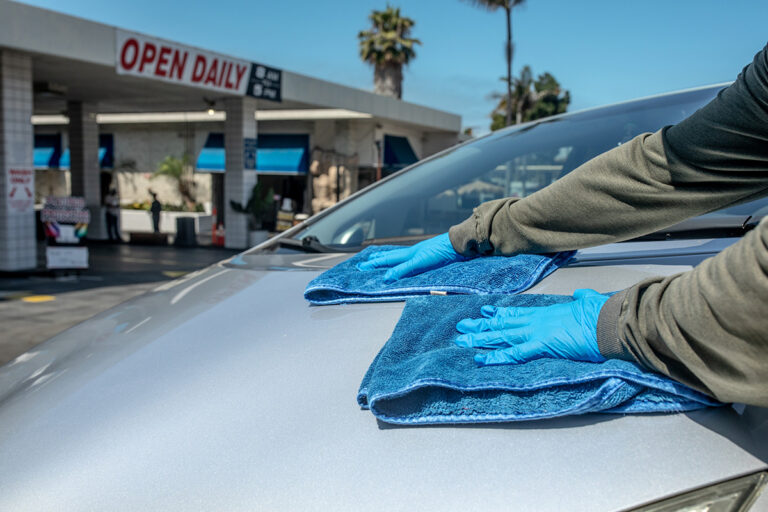
On September 30, a California Labor Commissioner hearing officer dismissed a $249,007 wage citation against Christopher McKenna’s Hermosa Beach business, Rock N Roll Car Wash. After a multi-day hearing, the officer found that the Commissioner failed to prove any of the alleged violations and dismissed the citation in its entirety.
The decision found serious problems with the Commissioner’s case, including an audit based on unsupported assumptions, worker statements contradicted by testimony at the hearing, and a failure to account for wage payments the Commissioner knew had already been made. The hearing officer also found insufficient evidence to hold McKenna or the other owners personally liable.
But McKenna’s victory came too late to save his business.
A citation, then a closure
On December 5, 2024, the California Labor Commissioner cited Rock N Roll and another car wash McKenna owned for more than $810,000 in alleged wage violations.
California law requires every car wash to maintain a $150,000 surety bond to cover unpaid wages. Without one, a car wash cannot operate.
In early January 2025, before McKenna had received a hearing on the allegations, a deputy labor commissioner demanded that the surety pay the full $150,000 on each bond. McKenna received no notice before the demands were made.
The surety canceled both bonds, and every other surety McKenna approached refused to issue new ones while the Commissioner’s claims were pending. Without the bonds California required them to carry, both car washes closed on February 16, 2025, and more than 30 employees lost their jobs.
While McKenna waited for the Commissioner’s hearing, in which Pacific Legal Foundation did not participate, he was forced to sell the Hermosa Beach car wash at a massive loss.
Months later, he finally got the hearing at which the Commissioner had to prove the allegations. McKenna won. But by then, the business was gone.
One official, no judge
In June 2025, McKenna and his companies filed a lawsuit in Los Angeles County Superior Court challenging a system that allowed the Labor Commissioner to impose devastating consequences before anyone independent had heard the evidence.
California law says a claim on a surety bond belongs in court, where the business and the surety both get to appear before a judge. The Labor Commissioner skipped that step.
A deputy labor commissioner investigated each car wash, issued its citation, and then demanded that the surety pay the full bond, all without first providing McKenna notice of the bond demand or an opportunity to contest it before an independent decisionmaker.
That sequence would be unconstitutional even if every allegation in the citation had been true. The California Constitution guarantees notice and a hearing before the government takes someone’s property, and it forbids one official from acting as investigator, prosecutor, and enforcer in the same case. A hearing held after the business is gone cannot cure either problem.
“Christopher won his hearing, but the hearing came after the Labor Commissioner had already cost him his business,” said Allison Daniel, an attorney at Pacific Legal Foundation. “Due process means the government proves its claims first, not after the damage is done. The outcome here underscores what we’re arguing in state court: these cases belong in real courts, where the government has to prove its allegations before collecting penalties.”
McKenna’s lawsuit against the Labor Commissioner is ongoing. He is asking the court to hold that the Commissioner cannot bypass the judicial process and collect against a car wash’s surety bond without first giving the business owner notice and a meaningful opportunity to be heard.