

A man’s home is his castle, inside and out
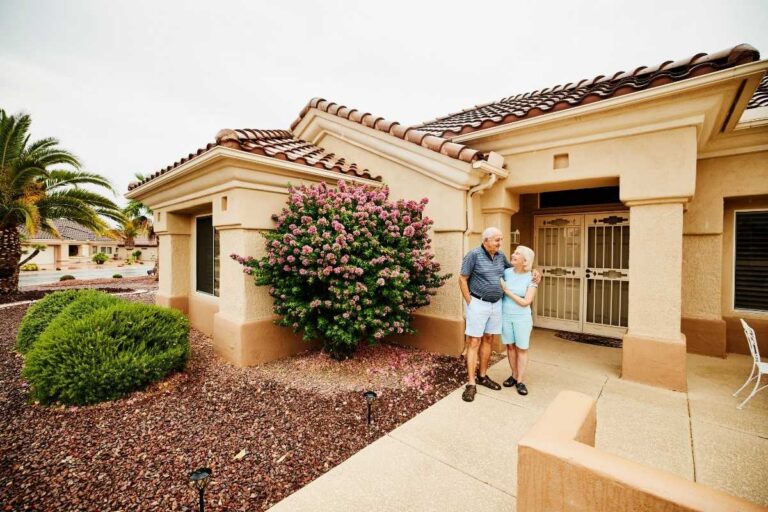
The Arizona State Legislature is currently considering SB 1431, a bill seeking to protect the rights and pocketbooks of homeowners by shielding them from purely aesthetic mandates that drive up the cost of housing and have no bearing on health or safety. The bill prohibits local governments in Arizona from imposing aesthetic design mandates on single-family homes and accessory dwelling units—such as requirements governing exterior materials, colors, roof pitch, window style, or façade design—leaving those choices to the homeowner and builder.
Over four hundred years ago, English judge Sir Edward Coke issued a decision perhaps best known for the declaration that a man’s home is his castle. The result, even centuries later, has been an understanding that a man’s home and property are a place of personal safety and refuge—especially from unauthorized government entrance—“[t]hat the house of every one is to him as his Castle and Fortress as well for defence [sic] against injury and violence, as for his repose.”
This last phrase often goes unnoticed, but it carries important weight. You’re not just protected in extreme situations—like trespassing or taking of your property—but also at rest. What happens when the government isn’t physically knocking down your door but is making it too costly to buy one? Your home isn’t really your castle if you can’t choose the door, paint color, siding, or lighting that suits your needs and preferences.
Yet, this happens every day in communities around the country. Americans’ dreams are supplanted by the preferences of a few in power. Local governments implement far-reaching and expensive requirements for houses that significantly increase costs—not to mention violating owners’ rights to the peaceful and productive use of their property.
Things like requiring certain types and percentages of siding, mandating front porches and steep roof pitches, or demanding wide window trims drive up costs and have no connection to health or safety. Based on a Minnesota study, the Housing Affordability Institute estimates that these costs combined can total over $25,000.
In Maricopa County, where more than 60% of Arizonans reside, the average listing price of a home is nearly $500,000, but the average household income is $91,000. In addition, nearly 75% of Arizona’s homeless individuals reside in Maricopa County, and last year saw an 11% increase statewide. Yet, year after year, local governments erect barriers to building or remodeling, while the implementation of subjective standards grows.
SB 1431 is a simple reform that ensures homeowners have autonomy to make aesthetic decisions, while leaving in place building codes and related regulations tied to true health or safety issues. In a time when homelessness and housing costs are on the rise, government should not be adding to the price tag of Americans’ dreams.