


A can of spray paint is not an argument
Someone in upstate New York took an electric saw to them. In California, they've been knocked down and vandalized. In Idaho, a man rammed a truck into two of them. This summer, a 19-year-old worked his way down Florida's First Coast with cans of silver and gold spray paint, hitting cameras along the way; he told police he doesn't trust license-plat ...

Law & Liberty : Chatrie and the Long and Winding Road to Privacy
In May 2019, a man robbed a credit union in Virginia, made off with $195,000, and vanished. Witnesses noticed only one odd detail: as he approached the bank, he appeared to be talking on his cell phone. Weeks later, with the trail cold, police tried something unimaginable a generation ago. They asked a magistrate for a "geofence warrant"—an order ...

MS Now : The Supreme Court stood up for privacy — but only to a point
The Supreme Court held today in Chatrie v. United States that the government conducted a search within the meaning of the Fourth Amendment when it acquired digital records about the cell phone location of a man accused of robbing a bank. This means that police generally need a warrant to obtain your location information from a service provider like ...
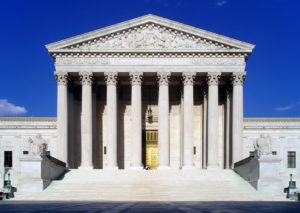
The Supreme Court’s last best chance to stop the surveillance state
When you text your doctor, share your location with a rideshare app, or use your credit card at checkout, you aren't broadcasting your private life to the world. You're sharing specific information, for a specific purpose, with a specific party you've chosen to trust—usually under terms of service that promise to keep it confidential. You know th ...
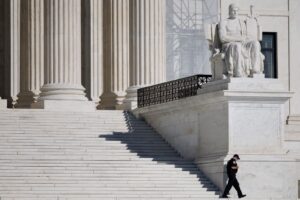
Supreme Court urged to restore Fourth Amendment protections for digital data
The Supreme Court begins a new term next week. In the coming months, the justices will consider cases touching nearly every corner of American life. Among the cases the Court is being asked to take up is one presenting an important question about digital privacy: can the government demand access to your location data from companies like Google with ...

Supreme Court urged to restore Fourth Amendment protections to data shared with ‘third party’ service providers
When you protect property, you protect privacy. That was the message Pacific Legal Foundation attorneys conveyed in one of eight amicus briefs filed last week in support of James Harper in his petition for a writ of certiorari to the United States Supreme Court in his case, Harper v. O'Donnell. Harper brought his case after discovering that he w ...