

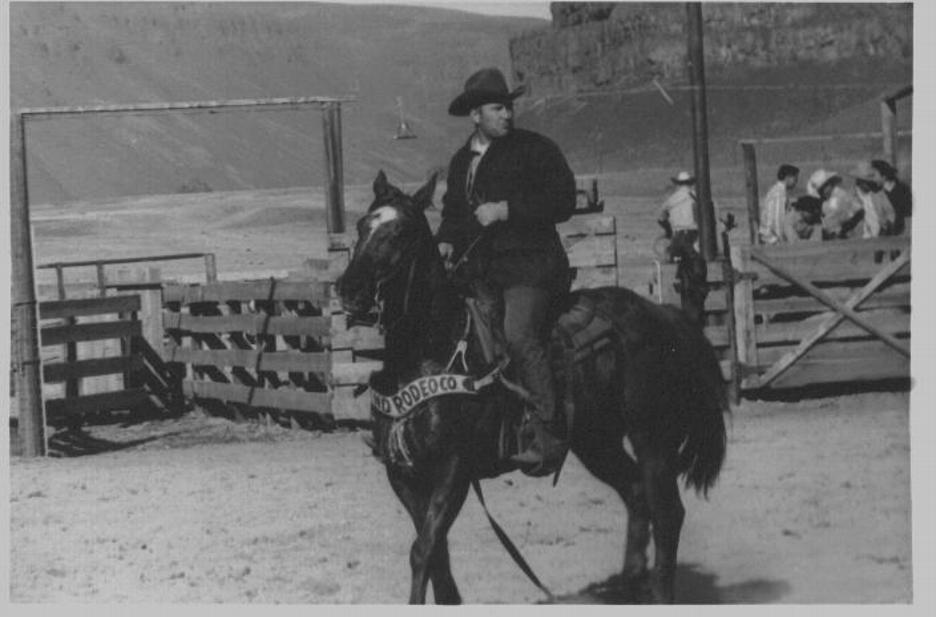
Wade and Teresa King’s family has ranched the same arid lands in Grant and Douglas counties, Washington, since the 1950s. King Ranch, a multigenerational cattle operation, is their life’s work and their family’s legacy. But the State of Washington wants to penalize the Kings with costly fines for digging and maintaining stockwater ponds on land they lease from the government and on their own property. And the State wants to do so without ever letting a jury hear the case.
In February 2023, the Washington State Department of Ecology, alleging violations of the State’s Water Pollution Control Act, issued two administrative orders against the Kings—an order demanding restoration of alleged wetlands and a $267,540 civil penalty. The Department issued a separate restoration order in January 2025, and the total cost of compliance is estimated to exceed $3.7 million.
The Kings deny that their stockwater ponds are regulated wetlands in the first place. They also deny that the Department of Ecology even has authority to regulate stockwater ponds under Washington law. But even setting those disputes aside, the Kings face a more fundamental problem: The forum where they are forced to defend themselves cannot give them a fair hearing.
Under Washington law, once the Department of Ecology initiates enforcement by issuing “orders,” the recipients of those orders have two choices: (1) admit liability and comply with the orders, or (2) appeal the orders to the State’s Pollution Control Hearings Board, an administrative tribunal. The Board has no mechanism for a jury trial. It cannot empanel one, and it has no authority to transfer jury-triable claims to a court that can. That means the Kings are being forced to litigate their case before a panel of governor-appointed adjudicators without a jury of their peers.
Both the Washington and federal constitutions guarantee the right to a civil jury trial.
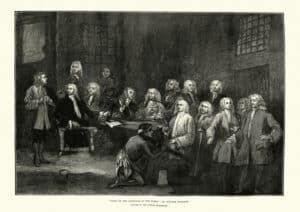
The Washington State Constitution is unambiguous: “The right of trial by jury shall remain inviolate.” The Seventh Amendment to the United States Constitution similarly provides: “In Suits at common law, where the value in controversy shall exceed twenty dollars, the right of trial by jury shall be preserved.” These guarantees are based on centuries of English law, going back to Magna Carta, if not earlier. And, under both provisions, when the government seeks to impose civil-monetary penalties, it must do so in an independent court before a jury.
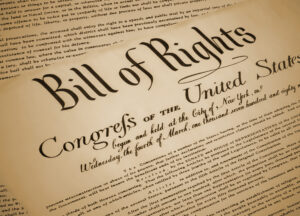
This case also gives courts the opportunity to settle a long-standing gap in constitutional law: The Seventh Amendment to the U.S. Constitution hasn’t yet been applied to the states, a process called incorporation. To protect the rights of Washingtonians, and all Americans, courts should incorporate the right to a civil jury trial, as they have done with nearly every other right in the Bill of Rights.
Faced with this impossible choice—litigate without a jury or risk default and immediate enforcement of penalties—the Kings filed suit in Grant County Superior Court, represented by Pacific Legal Foundation free of charge. They are asking the court to declare that they have a right to a jury trial and to immediately halt the PCHB proceeding until that constitutional question is resolved.
When government agencies act as prosecutors, judges, and juries, shutting ordinary citizens out of independent courts, the balance of power tips dangerously away from the people. The Kings’ case is a reminder that the ancient right to a jury trial isn’t trivial; it’s the last line of defense between an American citizen and a government that answers to no one.
What’s At Stake?
- All Americans are entitled to a fair trial in a real court of law—before a neutral judge and a jury of their peers. When the government investigates, prosecutes, and adjudicates in administrative tribunals rather than real courts, it undermines the ancient right of trial by jury.
- The Seventh Amendment guarantees Americans the right to a civil jury trial in federal court—but that protection does not apply to the states. Courts should extend that guarantee so every American’s right to a jury trial is protected no matter which state they live in.