

Court clears Kansas nurse’s record over paperwork error
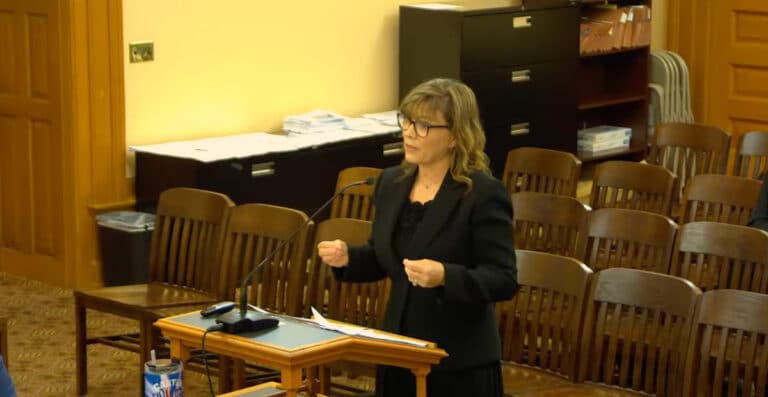
When Amy Siple found out her husband was diagnosed with cancer, she put her whole life on hold.
Amy had been a nurse for more than 30 years. She had lectured to students, spoken at TEDx events, and served as a tenured associate professor of nursing for 15 years. She held appointments and awards from the Kansas Advanced Practice Nurses Association and the American Association of Nurse Practitioners in Kansas. In three decades of practice, she had never once faced a complaint.
When she stepped away to care for her husband, it was the first time in her career she wasn’t seeing patients. After his condition stabilized and she began preparing to return to work, she discovered that her license had lapsed during that period. She immediately submitted the documents to renew it.
The punishment
While Amy’s license had been lapsed, her personal website still listed her qualifications and nursing credentials, and she had given speeches about dementia. This was enough for the Kansas State Board of Nursing to open an investigation.
The Board found her guilty of “unprofessional conduct”—not for harming a patient, not for fraud, but for maintaining a website and speaking publicly about her area of expertise while her paperwork was not technically current.
Nurses flagged for “unprofessional conduct” are reported to multiple national databases and typically lose the ability to find employment as a nurse. The note on her record could very well have been the end of her career. Adding insult to injury, Amy was required to pay four times her normal malpractice insurance rate due to the action against her.
Amy challenged the Board’s action in court, represented free of charge by Pacific Legal Foundation.
Reform—and a court order
Amy’s case caught the attention of the Kansas legislature. Lawmakers heard from Amy and learned that other nurses had faced similarly disproportionate discipline over administrative errors that had nothing to do with patient safety. In April 2026, Gov. Laura Kelly signed House Bill 2528 into law, narrowing the definition of “unprofessional conduct” to cover only conduct that poses a real threat to patients. The new law also required that records of nurses harmed by the Board’s previous overreach be cleared.
On June 10, a Kansas court vacated the Board’s disciplinary action against Amy—wiping the wrongful “unprofessional conduct” mark from her record.
Why it matters
The power held by licensing boards is ostensibly to protect patients. But time and again, that power gets turned against the people it’s supposed to serve—used to shield incumbents from competition, silence inconvenient voices, and protect the board’s own authority rather than the safety of patients.
Amy is not the only person unjustly targeted by a licensing board. PLF also represents Anna Runkle, a life coach offering paid advice on self-regulation techniques to willing customers. Runkle openly discloses that she is not a therapist, but that didn’t stop the California Board of Psychology from going after her for “practicing psychology” without a license. Also in California, surf instructor Helina Beck was threatened with a cease-and-desist for offering lessons on public beaches—while the state handed an exclusive contract to a single competitor. In Missouri, licensed nurse practitioner Marcy Markes is required by law to pay a physician more than $50,000 a year for a “collaborative practice agreement”—essentially a permission slip to do work that she is fully trained and licensed to do.
The right to earn a living is fundamental, and it’s protected by the Constitution. When the government restricts it, the burden is on the government to show a real reason, not just invoke a generic public safety cry and expect courts to look away.
In Amy Siple’s case, the nursing board punished a nurse with three decades of experience for maintaining a website while her renewal was late—it was not protecting patients from malpractice. Amy’s record is now clear, and thanks to HB 2528, every Kansas nurse is protected by the same standard.