

Anna Runkle tried to put her childhood behind her. Growing up, her household was tainted by addiction, poverty, violence, and neglect—leaving her with emotional scars.
Years of traditional “talk therapy” only left her feeling more depressed and anxious and did nothing to address the functional deficits in her relationships, career, health, and finances.
A young friend showed her a simple writing technique that Anna says helped calm her overwhelmed nervous system. The depression lifted, and Anna built practical tools and principles that enabled her to get a master’s degree, start her own business, form a family, and transform her life.
In 2016, she launched her online platform, The Crappy Childhood Fairy, where she offers courses, webinars, and an online student community.
Anna’s approach centers not on past trauma but on mitigating the common present-time effects of a hard childhood. She talks to clients about learning to self-regulate, manage intense emotions, improve mental focus and productivity, and communicate effectively. She explicitly positions her services as practical guidance, not therapy. She clarifies—on her website and through disclaimers with clients—that she is not a licensed psychologist.
That didn’t stop the California Board of Psychology from accusing Anna of illegally practicing psychology without a license. According to the State, any paid conversation that touches on emotions, motivation, or behavior potentially qualifies as the “practice of psychology” and requires a license.
California defines psychology practice to include any “psychological service involving the application of psychological principles, methods, and procedures of understanding, predicting, and influencing behavior.” The State does not define what counts as a “psychological principle” or a “psychological service.” It provides no clear line between a licensed therapist and a life coach, a mentor, a pastor, or a friend. The only things expressly excluded from the definition are prescribing drugs, performing surgery, and administering electroconvulsive therapy.
Under this statutory framework, the Board has near-unlimited authority to decide whose conversations are legal.
Anna filed a federal lawsuit challenging the Board’s prosecution, represented free of charge by Pacific Legal Foundation.
Her complaint alleges that requiring a speaker to obtain a license before speaking to clients violates the First Amendment. Speech—including giving advice and guidance—is constitutionally protected, and the government bears a heavy burden before it can condition that speech on a license.
California’s definition of psychology practice is also unconstitutionally vague; the statute gives no clear indication of what it covers or what it forbids, and regulators have no meaningful standards to apply. The definition is overbroad, too, sweeping in vast amounts of protected speech that the State has no business regulating.
A ruling in Anna’s favor would affirm that the First Amendment protects the right of ordinary Americans to have honest conversations and give paid advice—without government interference. It would also prevent the State from using an undefined licensing statute as a tool to silence speakers it has not authorized.
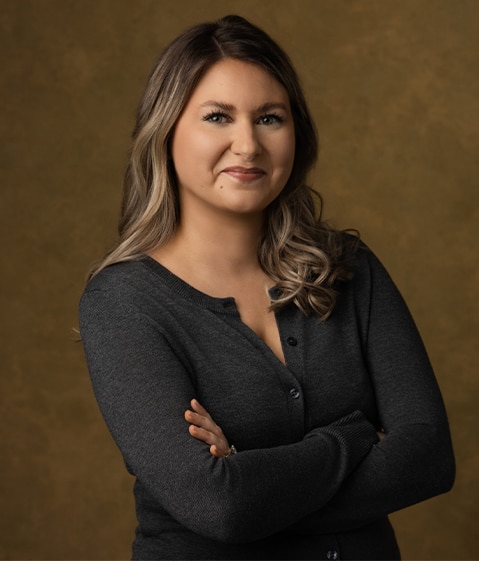
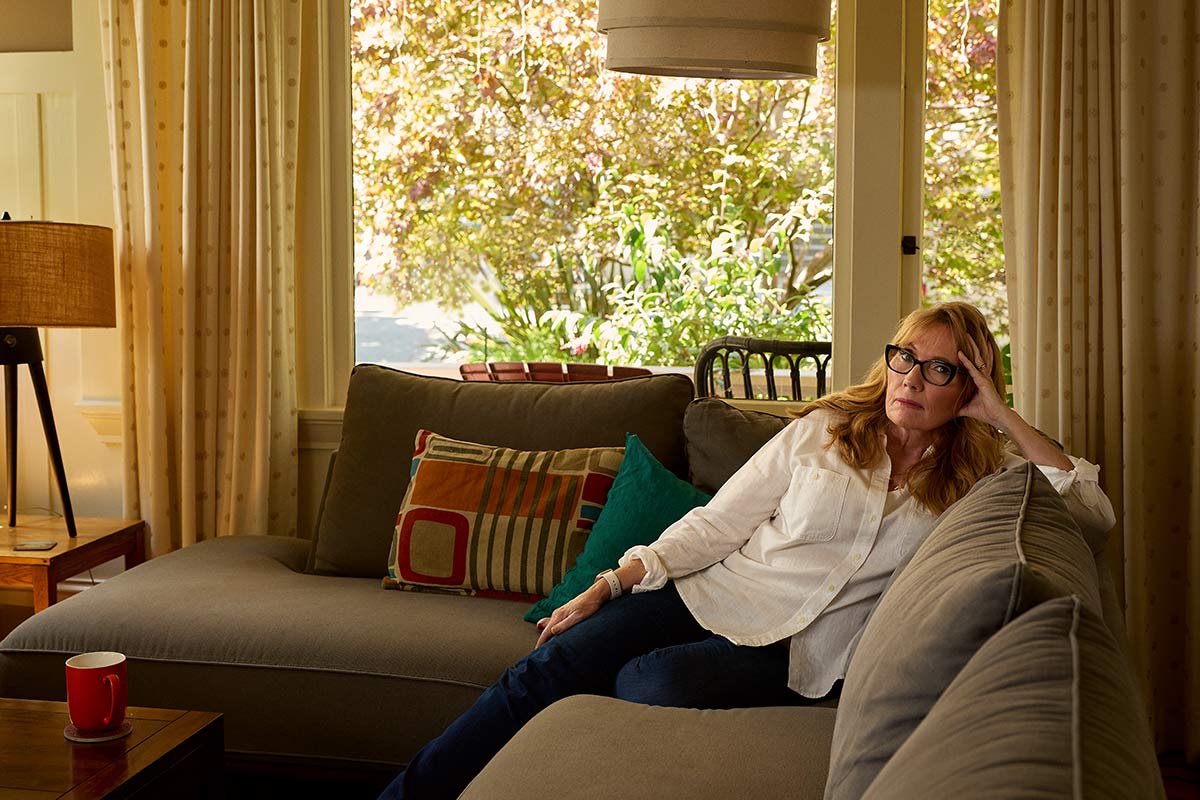
 Anna Runkle, life coach and plaintiff in Runkle v. Tate. (Photo: Rick Wenner, Pacific Legal Foundation)
What’s At Stake?
- The government cannot prevent willing adults from having conversations. California cannot force a life coach to obtain a psychology license simply because she talks to customers about their lives and goals.
- California’s definition of the “practice of psychology” is so vague that no ordinary person could know whether their work falls inside or outside the law. A statute that gives regulators unlimited discretion to prosecute—without clear standards—violates the First Amendment.