


Rhode Island court protects homeowner from unconstitutional permit demands
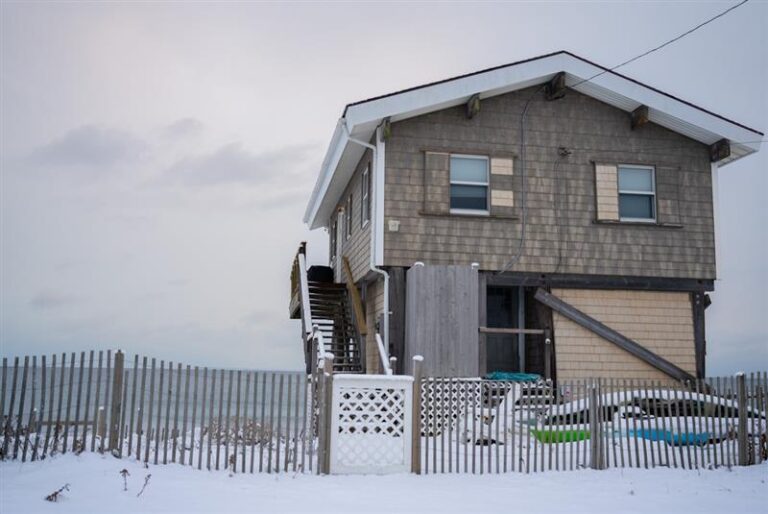
A coastal Rhode Island property owner secured a major victory last month when a judge entered final orders granting a preliminary injunction preventing the State’s Coastal Resources Management Council (CRMC) from attaching unconstitutional conditions to a permit request.
PLF client David Welch has been tangling with the CRMC for years. In 2023, Rhode Island passed a law that moved the public beach boundary inland onto private property along the entire state coastline. Welch, through his company Stilts, LLC, challenged the law as an unconstitutional taking of his South Kingstown beachfront property. Superior Court Judge Sarah Taft-Carter agreed in 2024, ruling that the law violated property owners’ rights. That case is now before the Rhode Island Supreme Court, where briefing will occur this spring.
Despite Taft-Carter’s ruling, the CRMC tried to impose the same beach access requirement less than a year later.
After a 2023 storm damaged Welch’s home, he sought a permit for essential repairs. The CRMC approved the permit in 2024 but attached two controversial conditions: Stilts would have to treat its private dry sand as a public beach and allow government inspectors onto the property “at all times” without limitation. The conditions effectively resurrected the beach seizure law that Judge Taft-Carter had already struck down.
“Property owners shouldn’t have to choose between maintaining their homes and protecting their constitutional rights,” said PLF Senior Attorney J. David Breemer. “The State can’t use the permitting process as a backdoor to impose the same unconstitutional requirements that a court already rejected.”
Pacific Legal Foundation filed a lawsuit challenging the unconstitutional permit conditions in June 2025 and requested a preliminary injunction in July. After oral arguments on September 26, Judge Taft-Carter issued her final ruling on December 15.
The court enjoined the CRMC from imposing the challenged public beach access conditions and from authorizing unlimited warrantless inspections. Most importantly, the judge ruled that the CRMC must make an individualized determination showing that any access conditions are related, and roughly proportionate, to the impacts of the applicant’s specific project—a requirement rooted in Supreme Court precedent.
The ruling marks the first time in more than 30 years that the CRMC has been required to justify its permit conditions under these constitutional standards.
The State has appealed the decision to the Rhode Island Supreme Court, where it will be considered in addition to the original beach seizure case. Despite facing continued resistance from state officials, the Welch family’s determination to protect their property rights has already achieved a significant breakthrough in ensuring that government agencies respect constitutional limits on their regulatory authority.