

San Diego Union-Tribune: Unleashing American energy production can lower gas prices
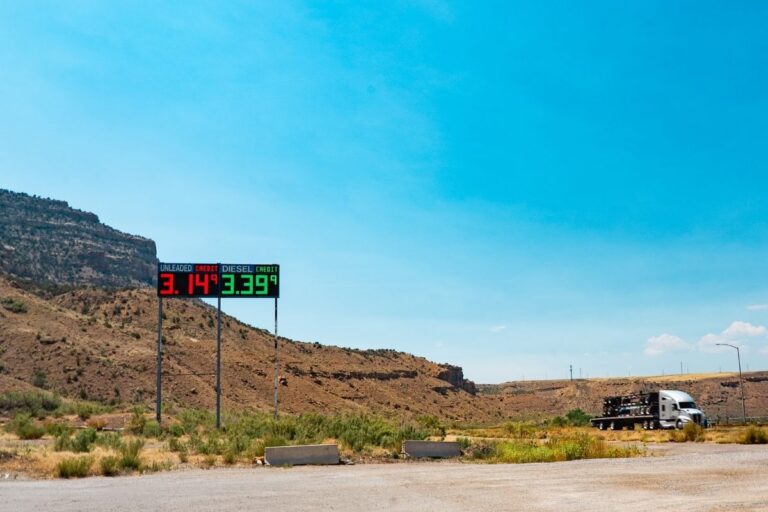
Uncertainty in the Middle East is hitting Americans at the pump. The national average for a gallon of gas has climbed above $3.75, up from under $3 just six weeks ago, before conflict with Iran roiled the market. Rising fuel costs squeeze household budgets and ripple through every corner of the economy.
So what is the solution? Economics 101 tells us the most sustainable way to reduce prices is to expand supply. Fortunately, the United States is blessed with abundant natural resources, including vast deposits of oil and gas.
Yet too often, access to these resources is blocked by misguided government policies. Decades of federal, state and local regulations have locked up land, stifled innovation and made it difficult to responsibly produce energy at home.
California is perhaps the most glaring example.
Once the nation’s leading oil producer, California helped power the country’s growth. In the 1920s, the Los Angeles region alone generated roughly 25% of the world’s oil.
The California of today, however, has turned its back on the industry that built it.
Over the past several decades, the state has imposed countless regulations, restrictions and taxes designed to suppress traditional energy sources to force top-down adoption of alternative forms of energy. The results are clear: Californians consistently pay far more at the pump than the national average — today well over $5 per gallon.
In 2023, Gov. Gavin Newsom signed SB 1137, a law that further limits energy production. It established a 3,200-foot so-called “health protection zone” around homes, schools, hospitals and virtually any public business, barring new oil and gas wells or improvements to existing ones. Under the guise of protecting public health, the state launched its latest attack on local energy producers.
But some Californians have decided to fight back. Siblings John and Melinda Morgan, Californians with deep family roots in the state, are challenging the law. Their family’s history in oil dates back to the early 20th century, when their grandmother’s husband, George Allan Hancock, drilled wells in Los Angeles during the industry’s heyday.
The Morgans have owned mineral rights in Santa Barbara County for generations. But because their mineral estate falls within the 3,200-foot buffer zone, SB 1137 effectively renders it worthless.
The Morgans are now challenging SB 1137 in federal court, arguing that the setback law constitutes an uncompensated taking of their mineral estate prohibited by the Fifth Amendment. They are just one example of many Californians caught in the law’s crosshairs.
SB 1137 is just one example of laws that stifle domestic energy production, driving up costs for consumers and choking off economic opportunity. While unrest in the Middle East can cause gas prices to spike, Americans should not be forced to bear the brunt of global instability because we have blocked our own energy potential.
To truly lower prices over the long term, Americans need the freedom to innovate and responsibly harness our abundant resources, a spirit that has always defined the American dream and can go hand in hand with responsible environmental stewardship.
Unleashing American energy doesn’t just protect families from foreign crises; it strengthens our economy, empowers communities and preserves our freedom. The best way to protect Americans from global turmoil is to tap the strength we already have — our own energy resources and the ingenuity to develop them.
This op-ed was originally published in The San Diego Union-Tribune on April 13, 2026.