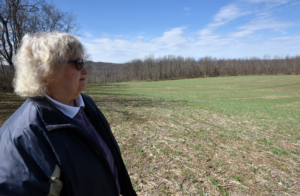


Madison Woodward analyzed the property carefully before he and his son agreed to buy. Madison studied the geology of the region and saw potential in the 164-acre lot before them. It was located inside a rich natural gas reserve in New York’s Delaware County, and—in looking at several successful developments on similar land in nearby Susquehanna County, Pennsylvania—they were confident that their investment would pay off. They bought the property in 2011 with the hope of developing it in the future.
But when the State adopted an executive order banning hydraulic fracking, the Woodwards abruptly lost the ability to use their own property.
Although the ban decimated their plan, the family—all firm believers in innovation and human ingenuity—saw a future where more advanced alternatives to hydraulic fracking would allow them to develop the resources on their land again. They sold the property’s surface rights but retained the mineral rights, waiting for that future.
They were denied any opportunity to see it.
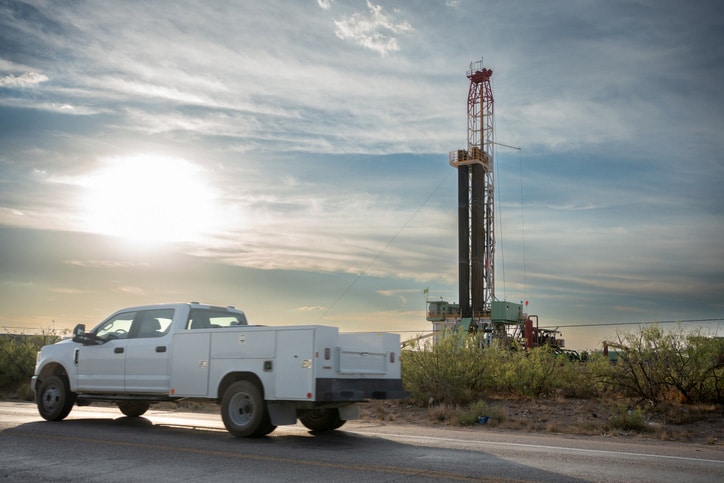
New York soon expanded its hydraulic fracking ban to encompass every alternative method for accessing natural gas reserves. This expansion prohibited any use of the Woodwards’ property, rendering it worthless by government fiat. Meanwhile, the nearby Pennsylvania properties that Thomas had analyzed when they bought their property continued to flourish, untouched by the ban locking up New York’s energy, even while the state’s energy needs remain as high as ever.
When the government wipes out all economically viable use of private property, as the State of New York did to the Woodwards through its unilateral fracking ban, it has taken that property under the Fifth Amendment and must pay the property owner just compensation.
New York’s fracking ban paints prosperity and environmental responsibility as mutually exclusive. But that’s a false choice—and a costly one forcing individual New Yorkers like the Woodwards to bear the weight of a manufactured scarcity. When the government steps back and allows policy to prioritize ingenuity and human flourishing instead of arbitrary bans, that results in better environmental stewardship, not worse.
Represented at no cost by Pacific Legal Foundation, the Woodwards filed a federal lawsuit to challenge this government taking and to defend all New Yorkers’ constitutional right to put their property to productive use in pursuit of their American dream.
What’s At Stake?
- The American Dream includes the freedom to put property to productive use—to create opportunity, support communities, and build a legacy for the next generation.
- When the government wipes out all economically viable use of private property, it has taken that property under the Fifth Amendment and must pay just compensation.
- Environmental policy does not get a constitutional exemption. The costs of public policy must be borne by the public, not forced onto a small group of property owners by regulatory fiat.