



Tennessee Riverkeeper, Inc. v. Town of Alexandria, Tennessee
Tennessee town challenges unconstitutional delegation of executive power
Represented at no cost by Pacific Legal Foundation, the Town of Alexandria asks the court to dismiss the citizen suit filed against it and find the CWA’s citizen suit provision unconstitutional.

Friends of the Delaware River, LLC v. Martelli’s Metal Fabrication, Inc.
Pennsylvania metal manufacturer stands up to unconstitutional delegation of executive power
Martelli’s argues that citizen suits threaten Americans’ rights by allowing private actors, who cannot be held accountable by the voting public, to exercise government authority.

Inland Empire Waterkeeper, et al. v. Corona Clay Company
California clay company stands up to unconstitutional delegation of executive power
Corona Clay argues that the CWA’s citizen suit provision should be struck down because it violates the Constitution’s nondelegation doctrine and the separation of powers by allowing private plaintiffs to wield the executive branch’s prosecutorial powers.

American Lung Association, et al. v. Environmental Protection Agency
Kentucky coal producers’ association urges courts to affirm the EPA’s repeal of overreaching emissions guidelines
Representing coal producers across the state, the Kentucky Coal Association (KCA) partnered with Pacific Legal Foundation to intervene in the lawsuit in support of the rule's repeal.

Comment on Proposed Rescission of 2001 Roadless Area Conservation Rule
Alaska electric cooperative asks for end to unlawful federal rule blocking rural communities’ energy projects
The people with the greatest motivation to protect and maintain the areas impacted by the Roadless Rule are the communities and businesses who live and work there. Bureaucrats and agency officials should not be able to unilaterally prohibit them from accessing land that could otherwise provide opportunity, employment, and key resources to millions of Americans.
In re: Petition of Thomas Kirsop
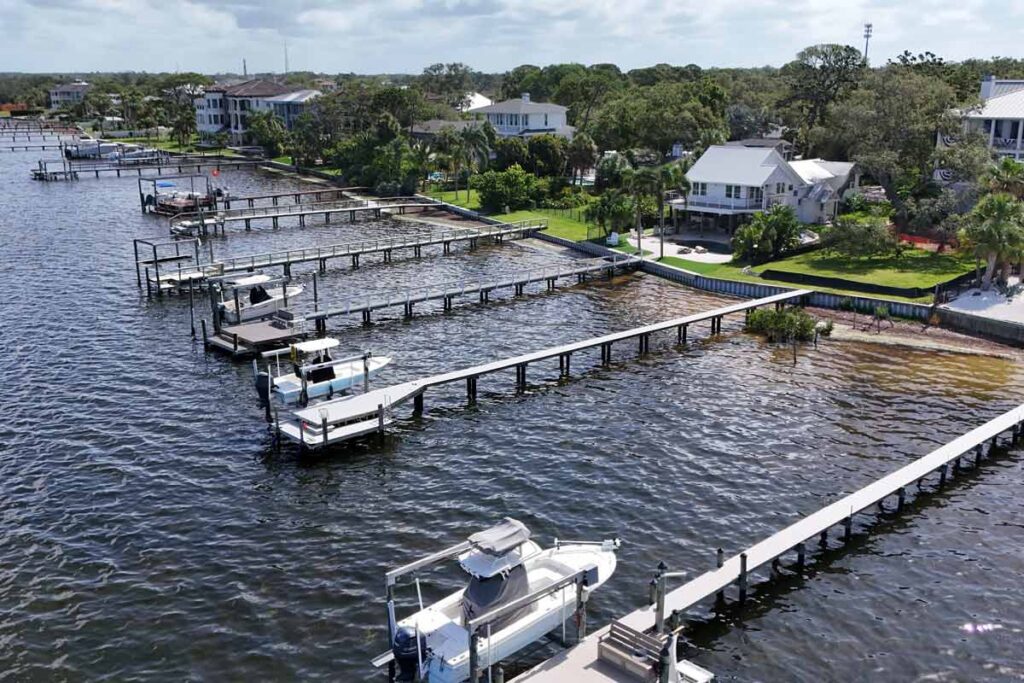
Florida homeowner asks water district to follow the law and honor the state’s dock exemption
Kirsop put the question to the district directly: Why are you demanding permits from property owners who do not need a permit?

Petition to rescind Santa Maria River’s “critical habitat” designation
California farmers and ranchers challenge agency overreach declaring dry riverbed a critical steelhead habitat
Californian farmers and ranchers should not be forced to shoulder the cost of federal agencies’ refusal to acknowledge decades of data. Every resident of the United States depends on the country’s farmers. When overreaching government policies drive up the cost of operating—or threaten the ability to farm at all—every American pays the price.

State of Ohio v. Robert Dunn II
Ohio farm owner fights rules that keep productive land idle
Rob Dunn bought 87 acres in Vermilion, Ohio, hoping to farm land that had long been designated for it. Instead, runoff from a road culvert floods his fields, woods, and front yard. When local officials refused to help, Rob placed fill to protect his home. Now Ohio EPA is suing him, claiming a seasonal low spot is a protected water. With PLF's help, Rob is fighting back.
Bingham v. Idaho Department of Water Resources
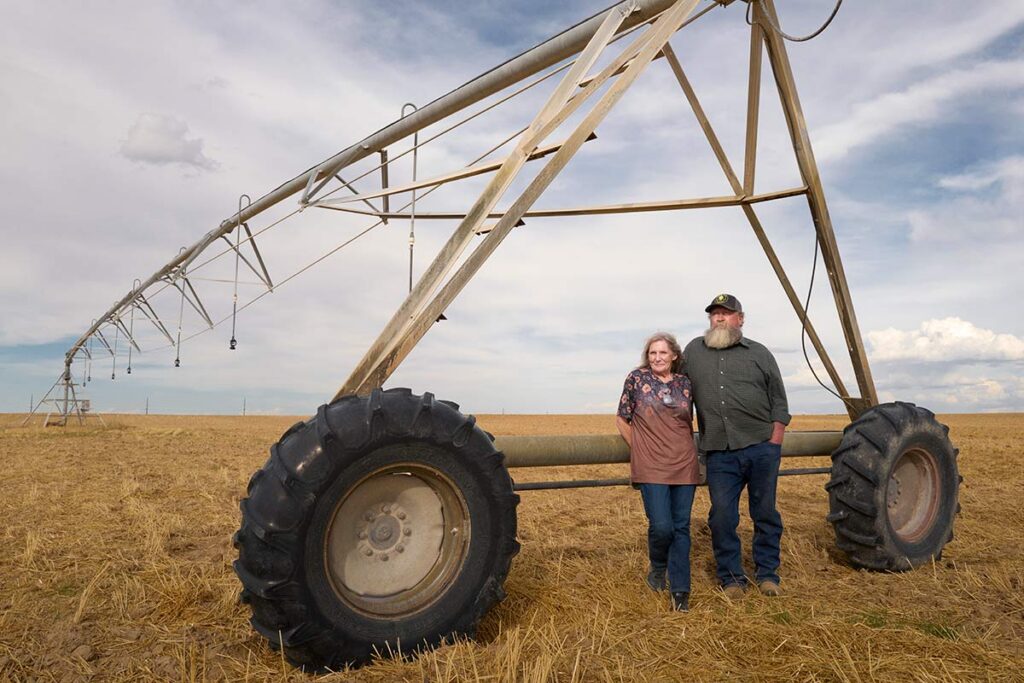
Idaho family farm files lawsuit to fight for their water rights and their future
The Bingham family has farmed in Bingham County, Idaho, since 1950. Today, the demands of a state agency threaten to destroy that legacy.