

The Hill: Data center hysteria is our latest group chat gone wild
Remember 2018, when every city council, major airline, and coffee giant suddenly decided that plastic sip-lids were the frontline of planetary salvation?
It was the great Plastic Straw Panic. Celebrities made somber videos, corporate PR teams scrambled, and public policy shifted on a dime. The entire crusade was built on an eye-popping stat repeated with absolute, religious fervor: Americans use 500 million plastic straws every single day. With 330 million Americans, that is roughly 1.5 straws per person per day.
It sounded scientific and was repeated by reporters and even the National Park Service. With institutions and people we trust every day without verifying, you might be shocked to learn that this estimate wasn’t the outcome of a peer-reviewed publication. It wasn’t even something derived from a trade association representing the largess of American straw manufacturing. Instead, the statistic was actually an environmental science project of a well-meaning nine-year-old kid in Vermont named Milo Cress.
Milo’s project was totally defensible for a fourth-grader. But major media outlets, international corporations and politicians took that number, ran it through the viral echo chamber, and regurgitated it without a single second of basic scrutiny. Overnight, a kid’s napkin-math guess became unquestioned gospel. In this form, it spurred legislation that put the weight of jail time and $1,000 fines behind it — as with a California bill.
We didn’t need bot farms in China or foreign influence operations to fall for it. We did it all by ourselves, the way humans always do — in the glorious, chaotic excess of the crowd.
Which brings us to today’s issue sweeping the country: the great data center panic.
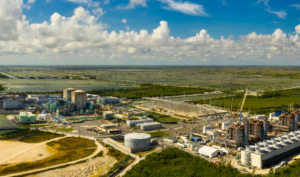
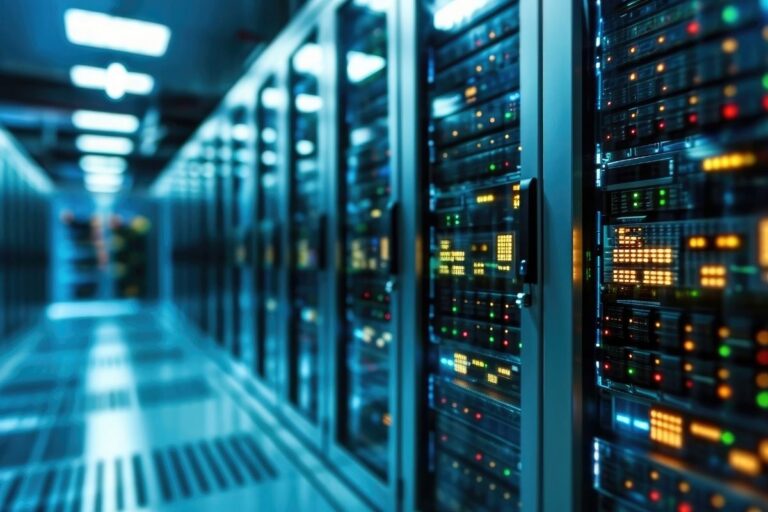
If you’ve read the news lately, you’d think the shiny grey boxes powering our modern world are literal sci-fi monoliths coming to drain our rivers dry, suck the power grid down to its copper wires, and leave us sitting in the dark. Once again, dizzying numbers are being tossed around, hyperventilated over, and transformed into instant moral panics.
Look, these aren’t bad-faith arguments, and the people raising them aren’t evil. Falling for runaway numbers is just a classic human mistake—one of those weird collective hallucinations we fall into together and laugh about later as cooler heads prevail.
Because when you strip away the doom-scrolling anxiety, the reality of energy and water is quietly miraculous. Every time you flip a light switch or pour a glass of tap water, you are benefiting from the quiet, cumulative genius of generations of engineers, hydrologists and grid operators far smarter than any of us. As writer Charles Mann quips, we live like royalty and don’t know it.
Our modern infrastructure wasn’t built by panicking; it was built by solving tricky engineering problems with cool-headed design.
Data centers are big. They use a lot of juice, and they need cooling. Water and power are challenges in particular — they require real engineering, localized planning, and honest numbers. This is the norm for any major industrial effort — steelmaking or computer chip fabrication. Both of which, it should be noted, far outstrip data center water use.
So, what’s the revolutionary, radical solution to integrating data centers into American life? It’s surprisingly boring, and delightfully American: treat them like every other industry, make them deal openly, and expect them to pay their own way.
Bans and moratoria neglect far more effective toolkits for handling data centers. First, existing nuisance law already protects a neighborhood’s peace and quiet. Whether your 2 a.m. tuba practice or a data center’s operations, noisemaking is prohibited. These heavy-handed responses will more likely backfire than protect Americans.
At a base level, public policy should neither punish nor privilege data centers. Just as economic development incentives for stadiums and reindustrialization have failed over and over, communities trying to entice data centers into their backyards with undisclosed, unbounded subsidies are likely to find themselves poorer. These policies are fumbles wrongly advertised as game-winning touchdowns. Instead of favoritism, policymakers are best served by treating everyone the same.
On the question of driving up electricity costs, we should make sure data centers pay market-based rates and can bring their own generation, not be shackled to outdated monopolies. Data centers are sophisticated, large energy users. We should let them explore options like off-grid data centers, behind-the-meter generation, and continue expanding ways for data centers to be good grid citizens. All of these inject flexibility into an overly rigid energy industry.
America has never moved forward by fleeing in terror every time a new technology demanded a bigger plug. We’re at our best when we challenge each other to see the facts clearly, insist on transparency, and let established legal principles handle the heavy lifting.
Put down the pitchforks and leave panic in the past. We can protect our communities, demand that big tech pays its bar tab, and build the future. And we can do it all at the same time by trusting in proven American institutions.
This op-ed was originally published in The Hill on September 13, 2026.