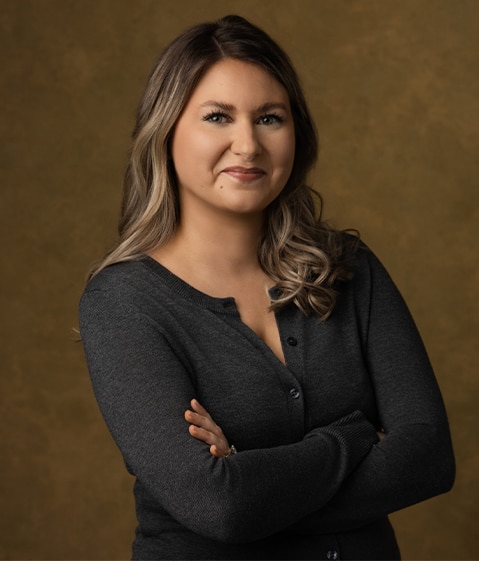



Texas nurse practitioner Sandy McCoy began her career in a hospital unit dubbed the “knife and gun club,” where she treated gunshot and stabbing victims. She became head nurse within six months and later rose through hospital leadership roles, including director of nursing and associate administrator.
Sandy went on to teach undergraduate and graduate nursing students at Texas Woman’s University, shape its nurse practitioner program, and serve as president of Texas Nurse Practitioners. She eventually opened her own practice in Plano so she could treat patients on her terms: holistic care, hourlong visits for new patients, and thorough follow-ups. She has more than 30 years’ experience as a nurse practitioner.
Texas law requires nurse practitioners to secure a formal agreement with a physician before they can practice the skills they have already proven as a condition of licensure. The State does not cap how much a physician may charge for that arrangement. If the supervising physician retires, relocates, dies, or simply cancels the agreement, the NP must close his or her practice and abandon his or her patients.
Defenders of the mandatory arrangements claim that they protect patients—but in practice, they primarily protect the financial interests of physicians. A 2019 survey found that the one-time fee to establish a collaborative practice agreement (CPA) averaged $650 and ranged as high as $50,000; monthly maintenance fees averaged $500 and reached more than $4,000. The same survey also found that 40%–50% of NPs had irregular communication with their collaborating physician and received no formal review of their medical records—meaning that NPs are often paying for “supervision” that exists only on paper.
As of 2024, the U.S. faced a shortage of an estimated 124,000 physicians. One study estimated that full NP practice authority in medically underserved communities would result in a 30% increase in access to primary care services.
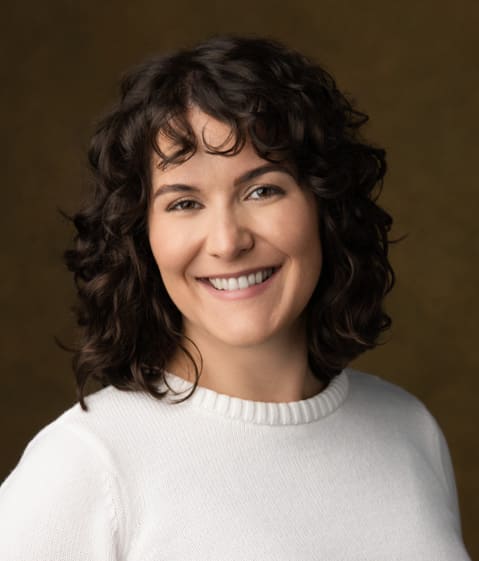
In response to Texas’ barriers to patient care and burdens on nurse practitioner provision of that care, Sandy, along with another nurse practitioner and the nonprofit Texas Nurse Practitioners, filed a lawsuit asking the court to affirm their right to provide care they are fully competent to offer.
The lawsuit challenges Texas’ collaborative practice agreement requirement under the Due Course of Law Clause of the Texas Constitution and the State’s private nondelegation doctrine. Texas already requires, through its licensing process, that these nurse practitioners are qualified to provide care. Handing individual physicians, who hold a financial stake in the outcome, veto power over whether a licensed NP may practice her trade is precisely the kind of scheme that nondelegation principles prohibit. The State’s police power exists to protect the public, not to protect incumbent professionals from competition.
A victory would restore the right of licensed nurse practitioners across Texas to care for patients without paying for a physician’s permission and would expand access to healthcare in areas that need it most.
What’s At Stake?
- Texas cannot require licensed nurse practitioners to pay a physician for permission to practice the very skills the State already requires for their licensure.
- Texas cannot hand individual physicians—who have a financial stake in the outcome—the power to decide whether a licensed competitor may practice.