

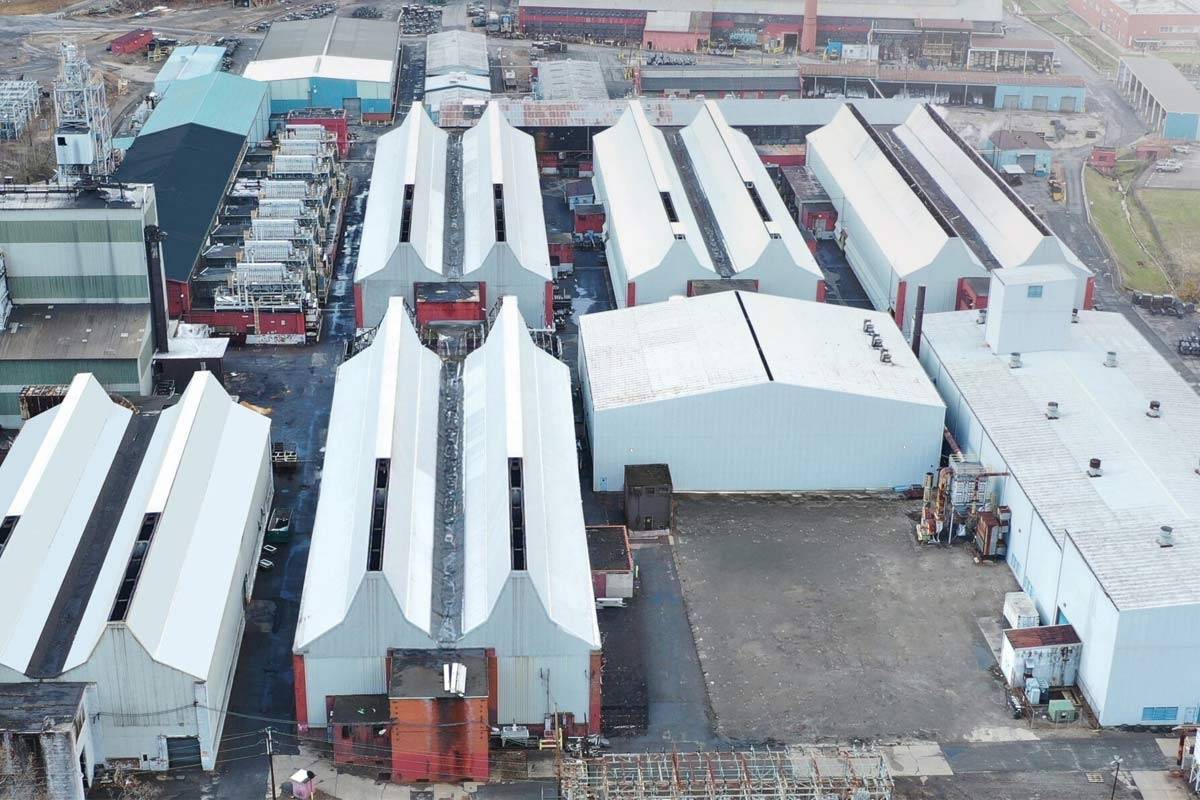
A manufacturing plant in Anmoore, West Virginia, has produced specialized carbon and graphite materials since 1906. Those materials supply industries around the world, from aerospace to defense to manufacturing, railroads, construction projects and more.
Amsted Graphite Materials LLC bought the century-old facility in 2020 and inherited the environmental obligations that came with decades of prior ownership. The company entered agreements with the U.S. Environmental Protection Agency and the West Virginia Department of Environmental Protection to upgrade the plant and reduce its environmental impact. Amsted is still completing that upgrade project, on a schedule the state itself supervises.
But in April 2026, two environmental groups, the West Virginia Rivers Coalition and the West Virginia Highlands Conservancy, filed a lawsuit against Amsted, alleging violations of a discharge permit at the Anmoore facility. To file that suit, the groups relied on a 1972 provision of the Clean Water Act, which allows private groups and individuals to sue with the government’s power — even though the government declined to join that suit or file one of its own in federal court against Amsted.
For over 50 years, that provision has let private groups wield a power the Constitution places with the executive branch. But the power to prosecute is reserved for democratically accountable officials, not private groups.
Amsted is fighting back with legal representation from Pacific Legal Foundation and Steptoe & Johnson PLLC. Amsted’s motion to dismiss urges the court to hold that the citizen suit provision violates the separation of powers by giving executive power to unelected and unaccountable private actors.
This case is the latest in Pacific Legal Foundation’s ongoing efforts to challenge the Clean Water Act’s citizen suit provision as an unconstitutional delegation of executive power. PLF recently celebrated a swift legal victory in a similar case on behalf of the City of Luttrell, Tennessee, and joined litigation on behalf of the City of Springfield, Tennessee.
What’s At Stake?
- Non-government entities do not have the authority to govern.
- The “citizen suit” provision of the Clean Water Act unconstitutionally gives the executive branch’s power to enforce federal law to unelected and unaccountable private citizens.
- Environmental law should prioritize abundance and human flourishing—not take a punitive approach that turns conservation into a bludgeon for bad actors.