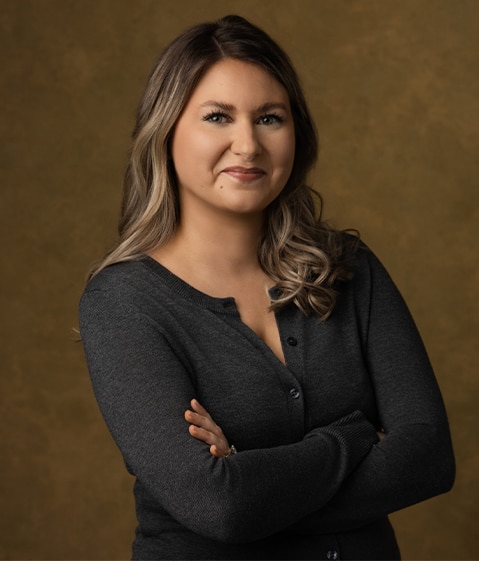



Dr. Jill Davis is president of the Academy of Doctors of Audiology (ADA) and the owner of Victory Hearing & Balance, a private audiology practice in Austin, Texas. She has made a career out of comprehensive diagnostic hearing care, which includes hearing-aid fitting, tinnitus care, and balance services. Because her average patient is 70 years old, she can’t run her practice without Medicare patients, and she can’t treat them outside Medicare’s rules.
Medicare is a government-funded health insurance program and the primary health insurance for Americans 65 and older. Providers bill Medicare for the covered services they provide, follow its compliance rules, and accept the rates it sets.
Federal law permits physicians and a long list of other healthcare professionals—nurse practitioners, physician assistants, clinical psychologists, registered dietitians, marriage and family therapists, and mental health counselors—to opt out of Medicare, which allows a provider and a patient to contract with each other directly. Opting out frees providers from Medicare’s billing, paperwork, and payment limits, and it lets patients pay directly for care from the professional they choose.
Audiologists are one of the few providers without the freedom to opt out.
The scheme violates the Constitution’s guarantee of equal protection and due process—which is why Dr. Davis, along with fellow audiologist and former ADA president Dr. Alicia Spoor and the ADA itself, have decided to file a federal lawsuit, represented free of charge by Pacific Legal Foundation.
The Constitution protects the right to earn a living in a lawful profession free from arbitrary government restrictions. It also bars the federal government from treating people in the same position differently without a valid reason—and there is no reason why a nurse practitioner or a dietitian may contract privately with a Medicare patient while an audiologist may not.
Medicare’s coverage rules can be hard to follow even for professionals like Dr. Davis and Dr. Spoor, who work with them every day. Medicare covers diagnostic hearing and balance tests but not hearing aids or the exams to fit them—so, the same test can be covered or not, depending on why it’s performed.
Many audiological services are not covered by Medicare, meaning patients are already paying directly for things like hearing aids. But Medicare won’t let audiologists and willing patients step outside the system for other services, nor will it allow patients to visit their audiologist without first receiving a physician’s order, adding paperwork, billing headaches, and, ultimately, delays in care.
To make things worse, Medicare reimbursement often falls far below the cost of audiology services. Small practices must make up the difference by charging more for non-covered services and spending less on improvements like updated diagnostic equipment and competitive salaries for staff. Patients are left with fewer and costlier options, while providers are barely making a profit with Medicare’s measly reimbursements.
A win for Dr. Davis and Dr. Spoor would let audiologists step outside Medicare’s cumbersome billing system and serve patients directly, and it would let Medicare beneficiaries spend their own money on care from the provider they choose. Patients should not need federal permission to pay for lawful care from a qualified professional.
What’s At Stake?
- Audiologists have a right to practice their profession free from arbitrary government restrictions.
- Patients have a right to spend their own money on lawful care from the provider they choose.