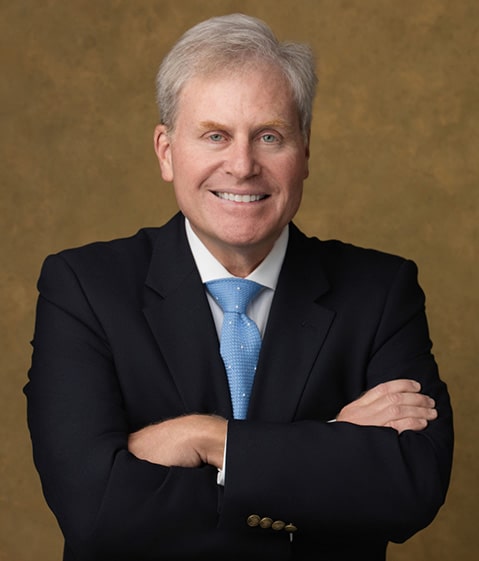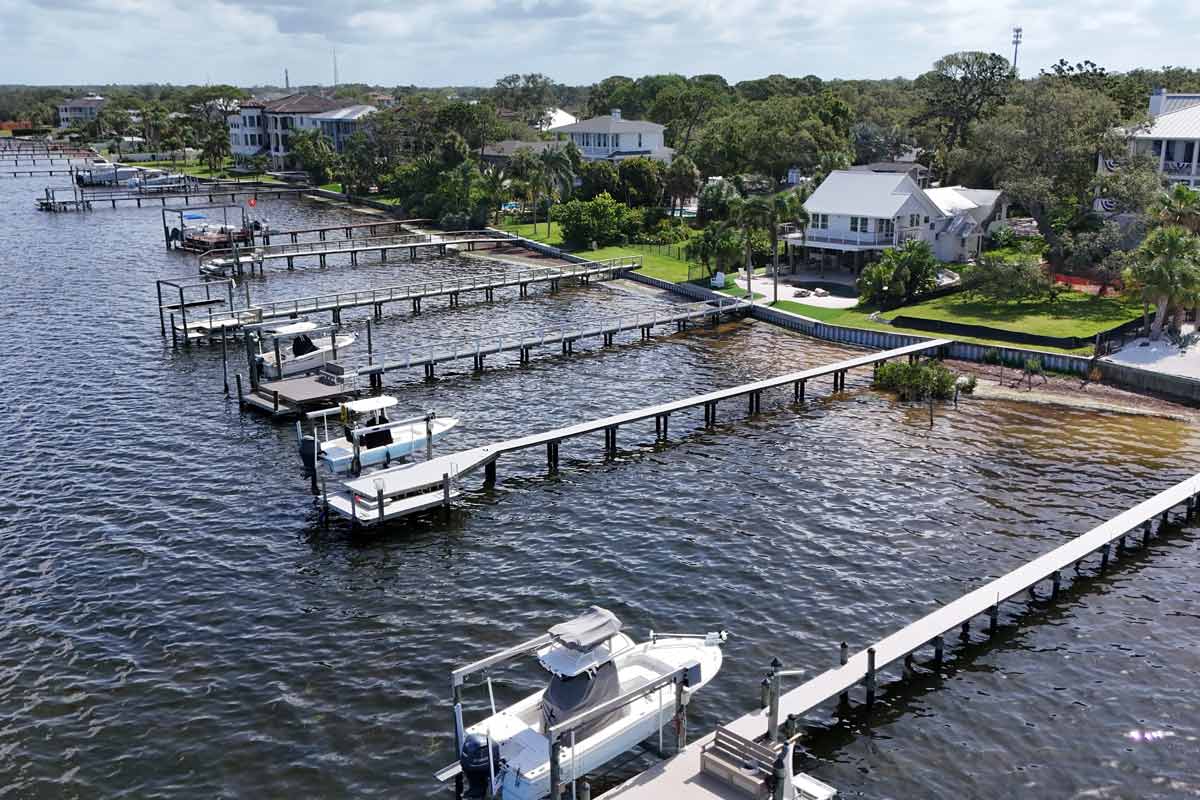
Tom Kirsop owns a riverfront lot along the Indian River. Like other Floridians, he wants to build a simple private dock so he can keep a boat at his own shoreline to access the waterways and natural beauty around his home.
Florida law already accounts for a dock like this, exempting small private docks from environmental resource permitting. And indeed, the Florida Department of Environmental Protection confirmed for Kirsop that his dock plan needs no environmental resource permit from the state.
Despite the clear exemption in state law, the St. Johns River Water Management District has required other homeowners in his subdivision to obtain their own permits for private docks, notwithstanding the availability of the same exemption.
Kirsop is left to guess whether the district will treat his project the same way—and until he knows, his dock stays unbuilt and his boat stays off the river. Rather than build and risk enforcement, or pay for a permitting process the statute says he does not need, Kirsop put the question to the district directly: Why are you demanding permits from property owners who do not need a permit?
Represented by Pacific Legal Foundation, he filed an administrative action with the district, asking it to say plainly whether it believes its permitting authority reaches a dock that already satisfies the state exemption, and if so—on what authority?
The Florida Legislature drew a clear line so that routine docks would not require a permitting process, a consultant, or a lawyer. Regional water districts cannot block Floridians’ ability to enjoy their waterways in this way.
What’s At Stake?
- Kirsop has a right to build a dock on his riverfront property, and state law specifically recognizes that right. The Florida Legislature exempted small private docks like his from onerous permitting requiring that are costly and often take years to obtain.
- Floridians have a right to experience the beauty of their state’s waterways and natural resources without state bureaucrats standing in their way.