


Living in Hawaii is expensive for a variety of reasons, including high demand and geographic isolation. But the state is also facing a housing crisis. As housing costs soar and options shrink, residents face an unexpected barrier—not cost, but ancestry.
Under the Hawaiian Homes Commission Act, access to certain homestead leases depends on meeting a 50% native Hawaiian blood quantum.
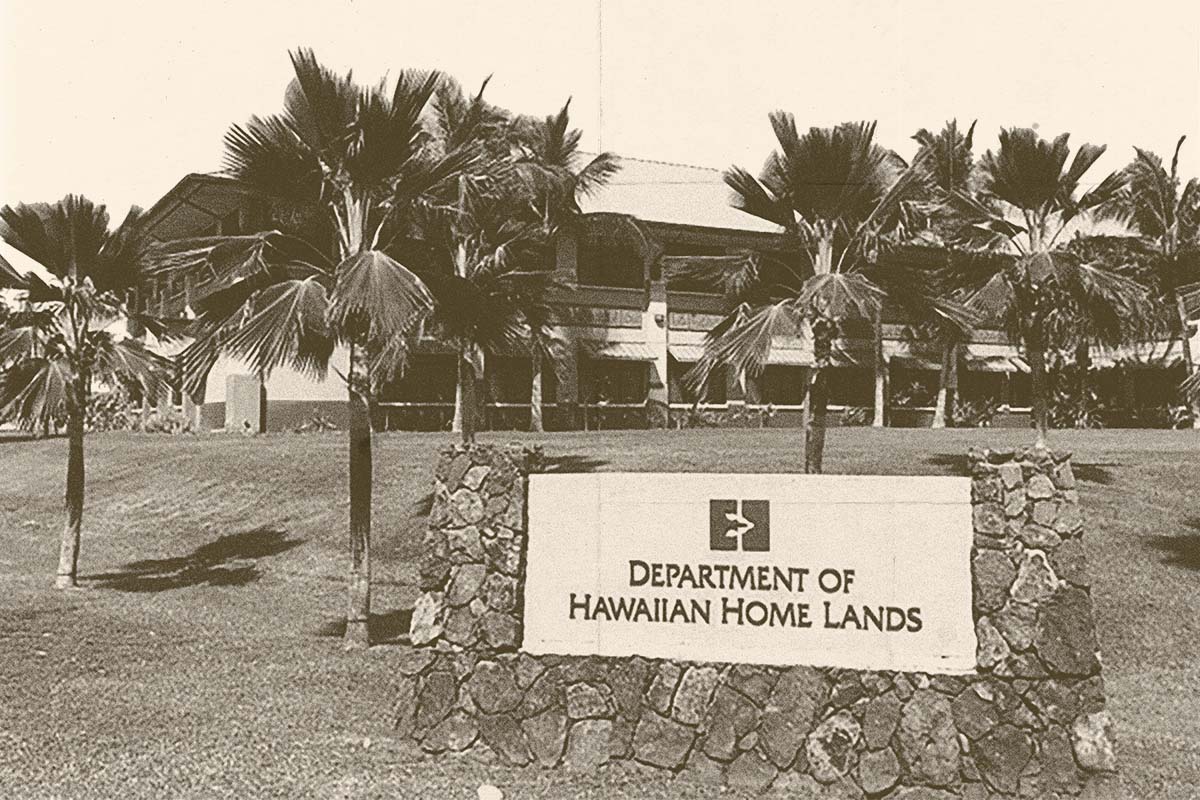
The Department of Hawaiian Home Lands oversees approximately 200,000 acres of land. The wait list for new leases on that land exceeds 30,000 applicants. Some have been waiting for over 40 years; others have died before getting their chance at a lease.
When attempting to apply online, lifelong Hawaii resident Eric Ryan was told he was ineligible on account of his ancestry.
Courts have consistently held that government classifications based on ancestry are no less unconstitutional than classifications based on race. Both are subject to strict scrutiny under the Fifth Amendment’s Due Process Clause and the Fourteenth Amendment’s Equal Protection Clause. That demanding standard is rarely met—and Hawaii’s law falls far short.
Pacific Legal Foundation filed a lawsuit on Eric’s behalf in the U.S. District Court for the District of Hawaii.
When the government sorts citizens by ethnicity, everyone loses. Some are shut out of opportunities, while others are treated as though they need government help to succeed. In the end, equal opportunity fades and Americans nationwide lose the chance to be judged as individuals.
What’s At Stake?
- It is unconstitutional for government to gate access to public benefits on the basis of ancestry. The Equal Protection Clause protects individuals from government discrimination due to their bloodlines.
- All individuals have a right to be judged on their individual merit and qualifications for homestead leases, not immutable characteristics like ancestry or racial heritage.