

A Supreme Court preview: PLF cases at the long conference

The Supreme Court formally begins its new fall term with oral arguments on October 5. It will hold its “long conference” the week prior to consider the petitions submitted during its summer recess. This year, the Justices will consider three PLF petitions challenging warrantless surveillance and compelled speech.
A lobsterman’s fight for his Fourth Amendment rights
In March, PLF’s new Environment and Natural Resources practice group filed a petition to challenge the 24/7 GPS surveillance the government imposed on Maine lobstermen. Frank Thompson, a fifth-generation lobsterman from Vinalhaven Island who has spent six decades on the water, is fighting back against the government’s trespass. Thompson argues that the government is violating the Fourth Amendment by subjecting an entire industry to constant digital tracking—without a warrant or even suspicion of a crime.
The government claims it can track lobstermen with impunity because lobstering is a “closely regulated industry.” Thompson’s petition asks the Supreme Court to eliminate that loophole by affirming that the Constitution’s protections apply equally to all Americans and cannot be denied to an entire industry at the government’s whim.
Doctor stands up for her free speech
In Khatibi v. Hawkins, a California doctor is asking the Supreme Court to affirm that doctors do not lose their free speech rights when they gain their medical licenses. Los Angeles-based ophthalmologist Dr. Azadeh Khatibi, along with the late anesthesiologist Dr. Marilyn Singleton and the medical advocacy group Do No Harm, is challenging a California law that requires continuing medical education instructors to provide implicit bias training.
Dr. Khatibi asked the Supreme Court to take up her case after a lower court held that the requirement does not violate the First Amendment because the instruction is “government speech.” Her petition argues that California cannot require doctors to promote government-approved viewpoints as a condition of their licensure and that the state cannot evade its constitutional obligations by relabeling private speech.
Challenging four decades of compelled speech for California businesses
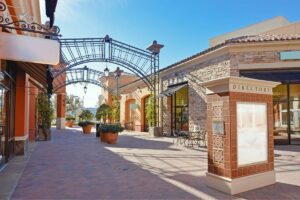
In Majestic Realty Company v. Salazar, the owners of two Redlands shopping centers are challenging California’s demand that they platform a “men’s rights” activist against their will. The activist sued to force the mall owners to allow him to distribute pamphlets on their property, calling for men to “join the fight” against paying court-ordered child support. A lower court ruled in the man’s favor based on the 1980 Supreme Court case PruneYard Shopping Center v. Robins, which held that California doesn’t violate the First Amendment by forcing private business owners to platform speakers on their property.
In response, the owners of Majestic Realty Company filed a cert petition challenging PruneYard. Their petition asks the Supreme Court to overturn the 1980 decision, arguing that it is fundamentally incompatible with the Court’s more recent precedent affirming free speech and property rights.
Looking ahead
The Court is expected to issue its first grants near the end of next week or shortly before its first hearings on Monday. PLF’s clients and attorneys remain tentatively hopeful that theirs will be among them.