


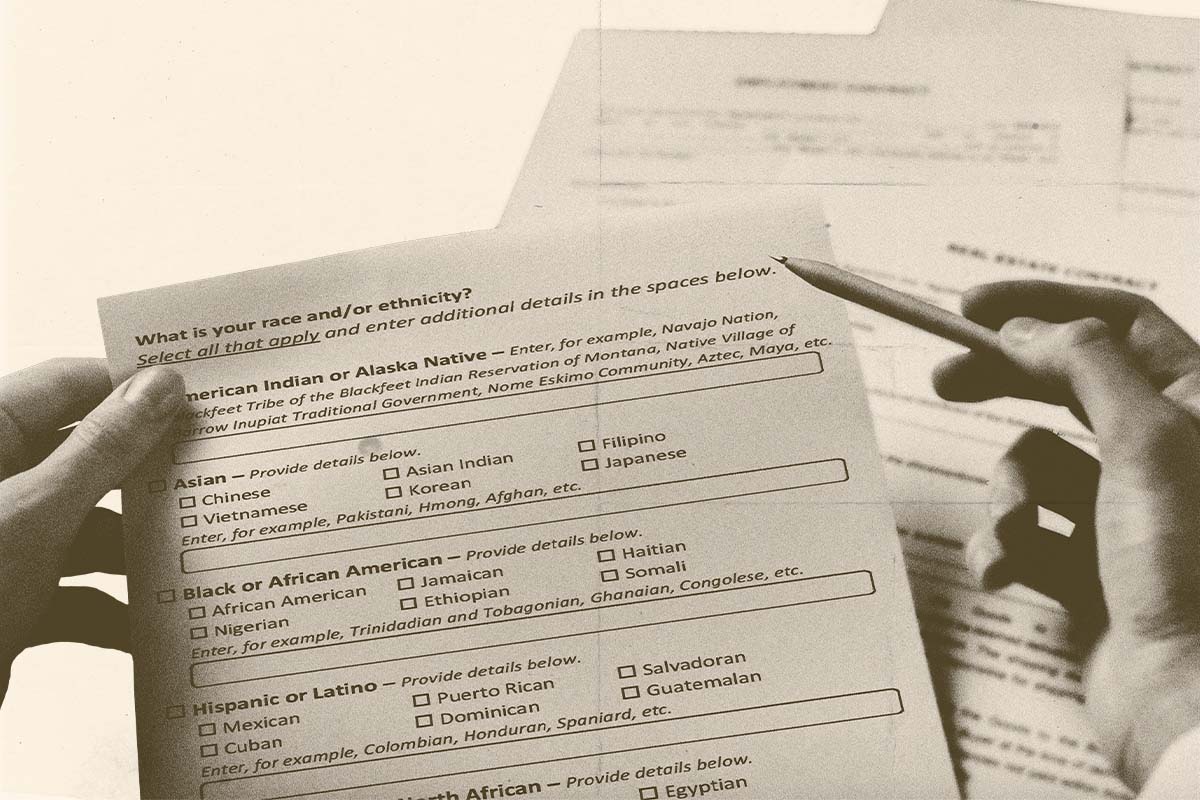
San Francisco residents Richard “Richie” Greenberg and Arthur Ritchie, as well as the Californians for Equal Rights Foundation, filed a lawsuit challenging San Francisco’s use of race in the distribution of government benefits, in violation of the Equal Protection Clause. Represented at no cost by Pacific Legal Foundation, the plaintiffs seek to halt a December 2025 ordinance establishing a race-based reparations fund and to prevent the legal, fiscal, and moral consequences of embedding racial classifications into city governance.
The ordinance stems from the African American Reparations Advisory Committee, which the city established in 2020 to develop reparations proposals addressing what it described as “institutional, City-sanctioned harm that has been inflicted upon African American communities in San Francisco.”
It released its suggestions in 2023, which include programs and benefits that would be available exclusively to residents who identify as black or African American.
Among the plan’s recommendations:
- A one-time, lump sum payment of $5 million.
- Supplemental income for lower-income households.
- Payment of homeownership expenses.
- Automatic qualification and priority for rental or homeownership opportunities.
- Priority for employment opportunities, training programs, and contracting.
- Tuition assistance.
- Elimination of student loan debt.
The plan flies in the face of America’s longstanding guarantee that “all men are created equal.” Instead, it treats residents differently according to their race and ancestry, advantaging or disadvantaging them for historic events they neither experienced nor are responsible for.
The taxpayer plaintiffs argue in their complaint, filed in the San Francisco County Superior Court, that taxpayer money cannot be used to administer funds for programs that discriminate on the basis of race and ancestry.
Racial and ancestral classifications warrant the most demanding standard of constitutional review. Under that test, the government must show that its race- and ancestry-based policy serves a compelling governmental interest and is narrowly tailored to achieve that interest. San Francisco’s reparations ordinance fails both requirements.
A victory for CFER and its members would reaffirm a basic constitutional limit on government power: Public officials may not use public authority or public resources to administer race-based programs. It would protect taxpayers from government-mandated racial discrimination and, in doing so, reinforce the principle that all Americans are entitled to equal treatment under the law.
What’s At Stake?
- San Francisco has made racial classification an operational feature of city government, assigning public employees and public resources to decide who may access benefits based on race. That use of public power—ongoing, funded, and institutionalized—violates the Equal Protection Clause and warrants immediate judicial review.
- Using racial criteria to determine eligibility for public benefits is a violation of the Constitution’s guarantee of equal treatment under the law.