

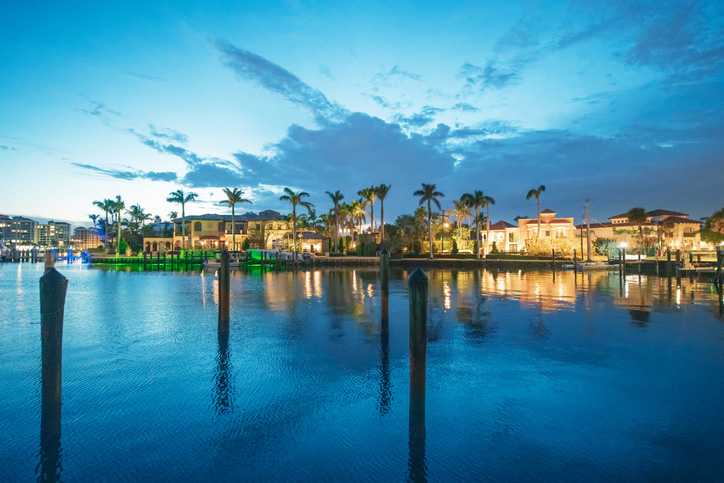
In 2011, Natural Lands, LLC, purchased an undeveloped beachfront lot in Boca Raton, Florida. The parcel had been zoned for residential use since the 1940s and carried a vested right to build a single-family home. Natural Lands set out to do just that.
What followed was an eight-year odyssey through the City’s permitting process. Because the lot sits seaward of Boca Raton’s Coastal Construction Control Line, Natural Lands needed a special permit known as a “variance” to build. The company filed application after application, revised its plans repeatedly at the City’s insistence, and spent more than $200,000 on a state environmental permit.
While Natural Lands jumped through every hoop, some local government officials made their intentions clear. The mayor filmed a campaign video in front of the property, vowing to block construction. One City Council member promised constituents to do “everything within my power” to prevent the project, while another assured residents she had “no intention of granting any variances” seaward of the agency’s control line.
When the City finally scheduled a hearing in July 2019, Natural Lands asked the three council members with blatant bias to recuse themselves from the vote. They refused. Without identifying which criteria Natural Lands had failed to meet, and without so much as a single question to Natural Lands’ witnesses, the City promptly voted to deny the variance.
Natural Lands sued in federal court, arguing that the biased hearing violated its due process rights. After a five-day bench trial, the court agreed. Its ruling found the process so tainted by bias that no building could ever have been approved. The court ordered the biased City Council members to be recused and a new, fair hearing and vote on Natural Lands’ application to be conducted.
But the City appealed the ruling to the Eleventh Circuit Court of Appeals—which reversed the lower court’s decision.
The circuit court held that Natural Lands could not sue in federal court because it had not first sought relief in state court by asking the Florida Supreme Court to intervene. Without that appeal, the circuit court concluded, there was no due process violation. Based on this reasoning, the court dismissed Natural Lands’ case.
That ruling contradicts longstanding U.S. Supreme Court precedent. In Knick v. Township of Scott, the Court confirmed that property owners can bring constitutional claims in federal court without first suing in state court.
Natural Lands petitioned the Supreme Court to take the case and affirm that you can seek relief in federal court when the government violates your right to due process, even if you have not exhausted every potential state-level procedure. Unfortunately, the Supreme Court denied the petition for certiorari.
What’s At Stake?
- Property owners have an immediate right to defend their due process rights in federal court without filing a separate suit in state court—just like every other constitutional right.