


In 2023, X Factor S2, LLC, a television production company based in Escondido, California, filmed the second season of X Factor (Beyond Belief). A few days into filming, the company replaced four members of its production crew. A union filed an unfair labor practice charge with the National Labor Relations Board (NLRB), alleging the workers were fired for participating in unionization efforts. X Factor denied discharging anyone or discouraging union activity.
The NLRB—an executive branch agency—handled the case from start to finish. Agency officials investigated the charge and prosecuted it, and an administrative law judge (ALJ) employed by the agency decided it, ruling against X Factor. The ALJ’s decision required the company to reinstate the workers with back pay. It also required X Factor to compensate them for any “direct or foreseeable pecuniary harms,” which can include things like credit card debt, mortgage payments, and childcare costs. Congress never authorized the Board to impose that remedy.
X Factor is now challenging that order in the U.S. Court of Appeals for the Ninth Circuit, represented free of charge by Pacific Legal Foundation.
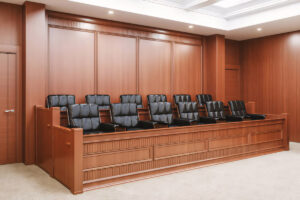
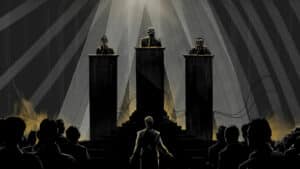
Anyone accused of violating the law expects to defend themselves before a neutral judge and a jury of their peers. In federal court, the judge has no stake in the outcome, and ordinary citizens decide the facts. At the NLRB, one agency investigates the charge, prosecutes it, and decides it. The administrative law judge who hears the case is an agency employee, and any appeal goes to the agency’s own Board. Only after this administration is complete may a challenger seek review in an independent court. But this review is limited; courts must treat the agency’s facts as all but conclusive. The challenger never gets an independent review of the facts.
The Seventh Amendment guarantees the right to a jury trial in civil cases seeking money damages. In 2024, the Supreme Court held in SEC v. Jarkesy that the government cannot avoid that guarantee by moving such claims into an agency’s in-house tribunal. Claims seeking compensation for private harms belong in federal courts, where an independent judge presides and a jury decides the facts.
The NLRB also lacks the power to award damages in the first place. The National Labor Relations Act allows the Board to order reinstatement of employees but not impose compensatory and punitive damages. Whether employers should owe damages is up to Congress, and the Constitution does not let an agency make that decision in Congress’ place.
A win in this case would affirm that anyone facing a government demand for damages has the right to an independent judge and a jury of their peers, and that agencies cannot invent remedies Congress never authorized.
What’s At Stake?
- The Seventh Amendment guarantees the right to a jury trial when the government seeks civil penalties. That right belongs in a real court—before a neutral judge and a jury of peers—not in an administrative tribunal where the same agency investigates, prosecutes, and decides.
- When an agency starts inventing punishments that Congress never authorized, it has crossed the line from enforcing the law to making it. The Constitution gives Congress alone the power to make laws, including deciding what penalties those laws allow.