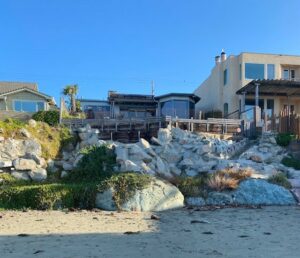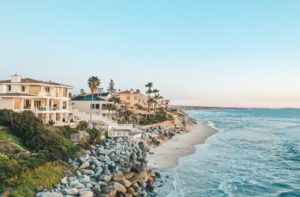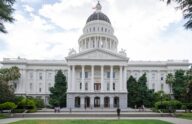
The California Coastal Commission is an independent, quasi-judicial agency with limited authority to regulate development within California’s coastal zone—a roughly 1.5-million-acre area containing nearly half the state’s population. When the agency was created in 1978, it was intended to help local governments follow their own local coastal programs (LCPs). In the decades since, however, the agency has claimed more and more expansive authority under the California Coastal Act. It now acts as prosecutor, judge, and jury over development in the coastal zone, using its permit review process to assert control over local government’s decisions and levy exorbitant fines to punish alleged violations of the Coastal Act.
When Californians want to build new houses, update their aging homes, or invest in other improvements to their property, they must first apply for a permit from their local government, at which point they should be free to begin building. Instead, the Coastal Commission often intervenes, investigating alleged violations of the Coastal Act and even appealing already granted permits to itself.
From there, the agency leaves permit applicants waiting an average of 148 days for a hearing. It can reopen decided permits, demand costly revised plans, and require follow-up environmental reviews. The agency finds “substantial issue” with over 97% of the permits it appeals to itself. When it takes issue with a project, it imposes new, burdensome conditions that force permit applicants to jump through endless hoops—or even sign away their constitutional rights—just for the right to build.
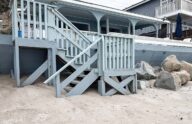
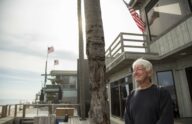
PLF clients John and Marcella Seidensticker, for example, were told they could only get a permit to rebuild their home if they agreed to 15 “special conditions.” These included waiving any future right to protect their home against storm damage; privately funding a government survey of the beach’s high-tide line every five years from then on; and agreeing to “promptly” demolish “all or a portion” of their home at the Coastal Commission’s say-so.
PLF has been fighting for years to rein in the agency’s abuses of power through litigation and research. As part of those efforts, PLF researchers submitted a public records request to the California Legislature in February 2026, asking for digital copies of the Legislature’s communications with the Coastal Commission under the California Public Records Act.
The Legislature refused.
When PLF’s researchers resubmitted the request, the Legislature claimed that its official correspondence with the Coastal Commission was exempt from public records requests because it was personal communication by individual legislators.
California law requires transparency and accountability from the state’s Legislature. The Legislature cannot use exemptions for personal communications to conceal communications between government branches from the public.
PLF filed a lawsuit to demand accountability and transparency from the California Legislature, arguing that Californians are entitled to know whether the Coastal Commission has a financial stake in the results of its quasi-judicial proceedings.
“The California Coastal Commission is imposing exorbitant financial penalties on Californians, then using those penalties to fund its own projects. The public has a right to know whether, and how, the California Legislature is addressing the clear conflict of interest at the heart of the Commission’s operations,” said Tanmay Shukla, an attorney at Pacific Legal Foundation.
What’s At Stake?
- California law requires transparency and accountability from the state legislature, providing public access to legislative records through the Legislative Open Records Act. The government cannot rely on the laws’ exemptions for personal communications to conceal interbranch communications from the public.
- Californians are entitled to know whether the Coastal Commission has a financial stake in the results of its quasi-judicial proceedings.