Do Native American tribal governments have sovereign immunity against property disputes? Courts are split on the question. While states like Washington and Wisconsin hold that tribal governments cannot be sued in American courts over property disputes, others disagree. North Dakota and Florida, for example, hold that property disputes with tribal governments can be litigated because sovereign immunity is “not implicated” in such cases.
When courts across the country disagree on the conditions for accessing a courtroom, it’s time for the U.S. Supreme Court to step in and address the issue.
The Legend Lake Property Owners Association, a group of homeowners along Wisconsin’s Legend Lake, asked the U.S. Supreme Court to step in and resolve this circuit split. The Association had deed restrictions preventing the sale of Association properties out of its jurisdiction. It filed a lawsuit in 2018 contesting sales that violated those deed restrictions by passing ownership into a federal trust operated on behalf of the Menominee Tribe.
The Association argues that all Americans have the right to access courts to protect and vindicate their rights. This includes petitioning the court to resolve property disputes.
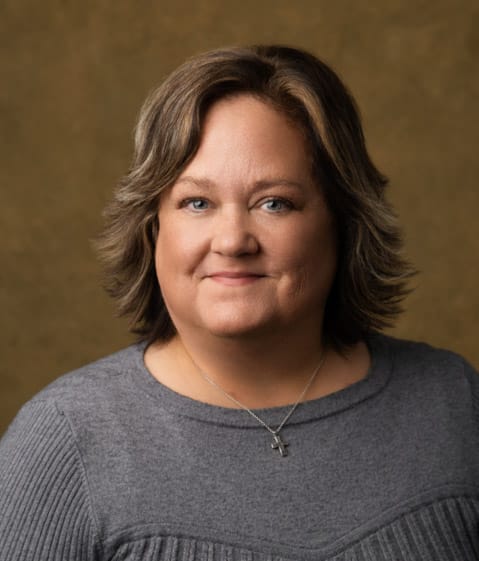
Pacific Legal Foundation represented a family-run Washington ranch in a similar petition in 2025. Flying T Ranch, owned and operated by Tammy Blakey and her daughter Alexis, asked the courts to step in to hear a dispute over land that three separate groups, including the Stillaguamish Tribe, had claimed ownership of over the years. The court held that the Tribe had sovereign immunity preventing the Blakeys from suing over the contested property. The Supreme Court denied the Blakeys’ petition.
Represented at no cost by Pacific Legal Foundation, the Association’s petition asks the Court to affirm their access to a court to bring property disputes.
What’s At Stake?
- All Americans have the right to access courts to protect and vindicate their rights. This includes petitioning the court to resolve property disputes.