

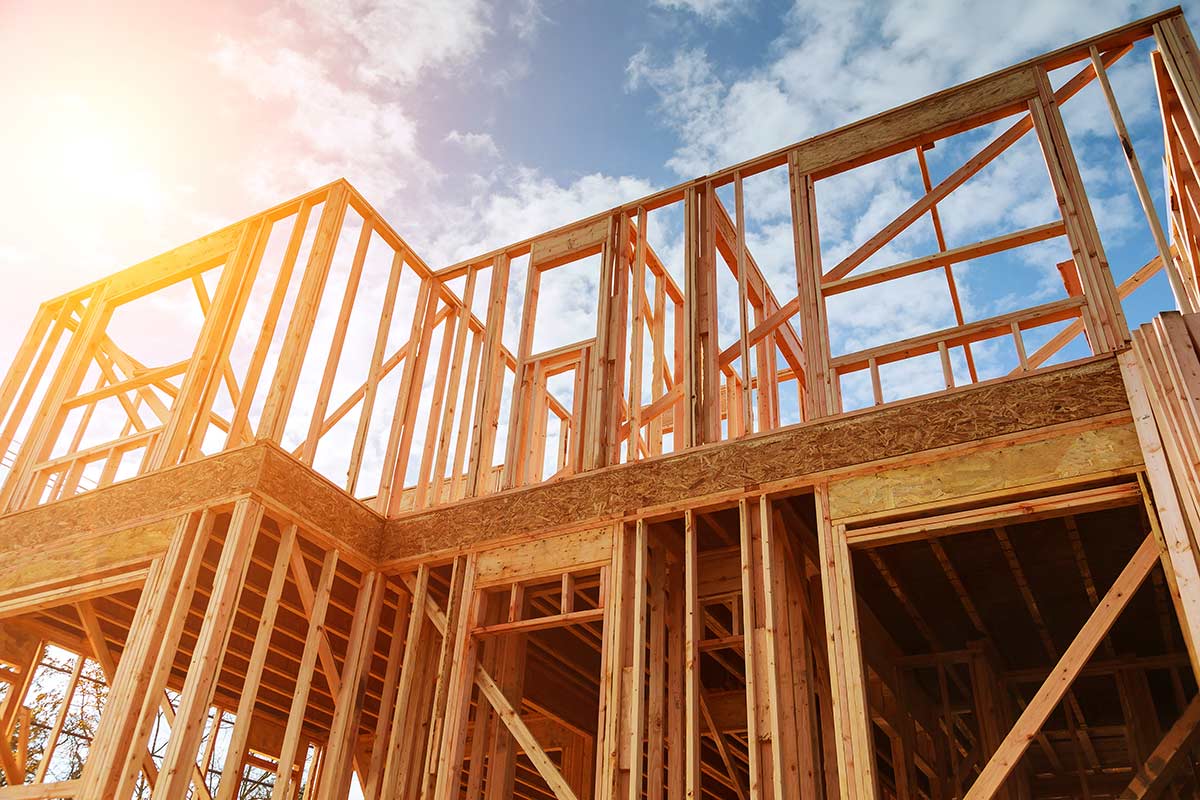
In December 2024, California homebuilder Mircea Voskerician bought a run-down property in Menlo Park through his business, 12 Maywood, LLC. He planned to subdivide the property into two lots so that two new homes could be built on the land.
What should have been a straightforward process rapidly hit a roadblock. The City expected his business to pay a $127,400 “recreation in-lieu” fee before it would approve his application for a standard approval to subdivide the lot.
The six-figure impact fee was an “exaction,” a condition imposed by the government on a land-use approval. The U.S. Supreme Court has held that an improperly applied exaction is little more than “an out-and-out plan of extortion” and repeatedly ruled that fees imposed on land-use approvals must be directly related to the impact and scope of a project in order to be valid.
The City justifies its exaction scheme under a state law empowering local governments to impose the fees necessary to provide between three to five acres of parks for every 1,000 residents. But Menlo Park already has about six and a half acres per 1,000 residents. Even if the City did have a park deficit, it couldn’t force Voskerician to pay for it. California law explicitly protects applicants for certain small, routine subdivision approvals by banning local governments from requiring builders to provide “offsite improvements”—like new park facilities for the City—as a condition for approval.
In January 2026, Voskerician’s business paid the exaction under protest. Now, he’s challenging it in state court. Represented at no cost by Pacific Legal Foundation, he argues that the City’s six-figure “recreation in-lieu” fee is a violation of state law and their constitutional rights. The lawsuit asks the court to refund the six-figure fee they were illegally charged and to protect homebuilders’ rights by declaring the fees unconstitutional.
What’s At Stake?
- The government can’t hold the right to use your property hostage so it can extract exorbitant fees. That’s akin to extortion.
- The government cannot force homebuilders to pay for problems they do not create. Fees for new construction must be proportional and directly related to the impact of the development.