The Docket: October 30, 2026
The Docket is PLF’s weekly newsletter covering the cases, clients, and policy battles shaping the future of liberty in America. You can catch up on last week’s Docket here and subscribe below to receive future editions in your inbox.
A bipartisan permitting reform package picks up steam with a PLF-led supporting coalition; an Alaska electric co-op applauds the USDA’s proposal to rescind the Roadless Rule; and a Florida homeowner asks his local water district to honor the State’s permitting exemption.
PLF-led coalition urges Congress to pass federal permitting reform
Earlier this week, a PLF-led coalition of more than 35 allied organizations and individuals sent a letter urging Congress to pass the Bipartisan American Affordability and Jobs Act—a major legislative package to overhaul federal permitting and remove barriers to building in America.
The bill stands to streamline reviews under the National Environmental Policy Act and permitting under the Clean Water Act, the Endangered Species Act, and the National Historic Preservation Act.
Visualizing the Roadless Rule: 25+ years of regulatory whiplash
In 2001, the U.S. Department of Agriculture (USDA) asserted the power to prohibit road maintenance, road construction, and timber harvest across the national forests, locking away 58.5 million acres of American forests—an area roughly the size of Wyoming—without congressional authorization. That assertion of power became the “Roadless Rule.”
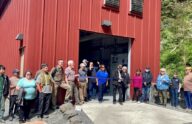
In effect, the Rule prevents rural communities—like the one served by PLF client Inside Passage Electric Cooperative (IPEC)—from utilizing road transport for critical development projects, instead requiring construction materials to be flown in by helicopter or shipped by sea at great expense.
PLF’s latest research product, Visualizing the Roadless Rule, was developed to accompany IPEC’s comment earlier this month supporting the USDA’s proposal to rescind the Rule.
George Will features PLF client George Anibowei’s recent Supreme Court petition in The Washington Post
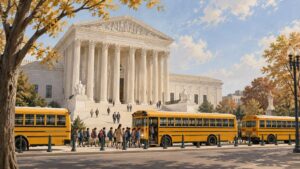
Last Friday, Washington Post columnist George Will encouraged the Supreme Court to take up one of PLF’s recent petitions on behalf of George Anibowei—a Dallas-based attorney who has been subjected to five warrantless searches by border agents when returning to the United States from abroad.
Anibowei’s fight “should interest you,” Will says, “if you have a 21st-century smartphone and an 18th-century prickliness about privacy.” Follow the link below to learn more about Anibowei’s case and visit the Post’s website to read Will’s column in full.
Florida homeowner asks water district to follow the law and honor the State’s dock exemption
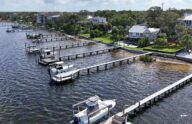
Tom Kirsop owns a riverfront lot along Florida’s Indian River. He’d like to build a simple private dock to more easily access the waterways and natural beauty around his home by boat—but instead of moving forward, he’s now working to unravel the mixed signals he’s gathered from state and local officials.
Florida law exempts small private docks—like the one Tom aims to build—from environmental resource permitting. But the St. Johns River Water Management District seems to have missed the memo, requiring other homeowners in Tom’s subdivision to navigate the environmental permitting process despite the State’s exemption.
Now, with PLF’s help, Tom has filed an administrative action with the district, asking for clarification.
Maryland audiologist fights Medicare’s ban on private-pay care
On October 14, PLF attorneys filed a federal lawsuit challenging Medicare’s exclusion of audiologists from private-pay care. PLF clients Dr. Jill Davis and Dr. Alicia Spoor, alongside the Academy of Doctors of Audiology, argue that Medicare’s arbitrary ban harms both patients and providers—with no apparent upside.
This week, PLF’s Alessandra Caruso shares more about what this fight means for Dr. Spoor, her patients, and the future of audiology care.