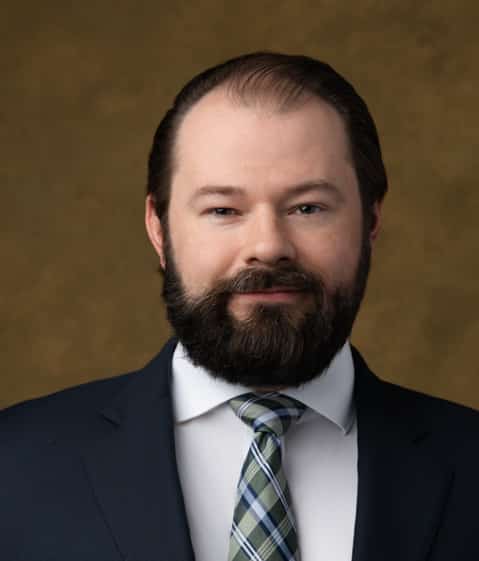


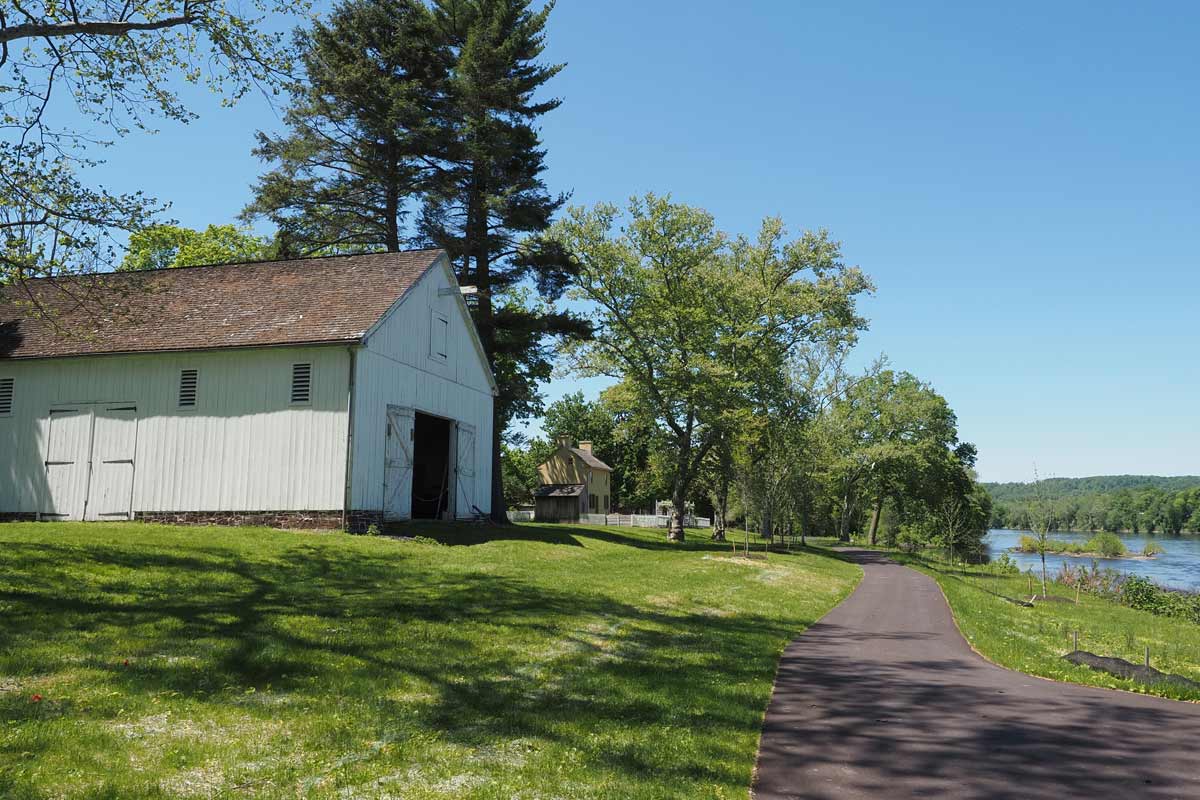
June Chesser grew up on a dairy farm in Wayne County, Pennsylvania. She describes her childhood as “free” and “comfortable,” with days spent fishing in the trout stream, tending the animals, and learning to drive in the hay field.
That land, which has been in her family for several generations, is now at the center of a lawsuit challenging a Delaware River Basin Commission ban that June says wiped out its value.
June and her sisters received mineral rights to their parents’ estate in 2010 (June does not own its surface rights). The land had valuable mineral reserves—their father had leased it to a gas company in 2009 and received a signing bonus. He hoped to pass something valuable on to his children.
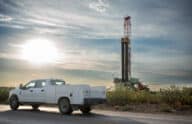
In 2010, however, the Delaware River Basin Commission (DRBC) imposed a de facto fracking moratorium, and the gas company released the lease in 2013. In 2021, the DRBC voted to ban fracking permanently in the basin. Fracking is the only economically viable way to extract gas from the Marcellus and Utica Shales beneath the Chesser family farm. The ban therefore shuts down all gas development and traps an estimated $40 billion in natural gas in the region underground. It completely erases the value of June’s mineral rights, and it deprives the broader community of opportunity, employment, and key resources.
Just across the county line in Susquehanna County, outside the DRBC’s jurisdiction, landowners have earned substantial royalties from the same formation.
When the government wipes out all economically viable use of private property, as the DRBC did to June’s land by banning the development of the natural gas and energy resources beneath it, it has taken that property under the Fifth Amendment and must pay the property owner just compensation.
The DRBC also exceeded its authority under its own compact, which lets the agency classify basin waters and set treatment standards for wastes discharged into them. The compact doesn’t authorize a ban on a lawful land use on private property, and for 60 years, it never claimed that power.
The DRBC treats prosperity and environmental responsibility as mutually exclusive. They aren’t—people who own their land have every reason to care for it. The cost of pretending otherwise falls on individual landowners like June who can’t develop minerals they rightfully own, and on a region denied the energy, jobs, and growth that its abundant resources could provide.
June and her sisters were raised to recognize the importance of being good environmental stewards.
“They don’t make any more land,” June recalls her father teaching her and her sisters. “What is here is what you’re going to get from now on. So, treat it as though it’s going to have to last forever. Pick up after yourselves.”
Represented at no cost by Pacific Legal Foundation, June filed a federal lawsuit in the hope of restoring the value of her mineral rights to pass down to her children and grandchildren.
A victory for June would unlock the abundant energy that sits beneath Pennsylvania land today, opening the door to jobs, investment, and more affordable power. It would also affirm that environmental goals can be met by expanding opportunity instead of shutting it down, starting with the right of property owners to put their land to productive use.
“When my dad gave it to us, he thought it had value,” June says of the estate. “Now, because the Delaware River Basin is in there with all the regulations, it has zero value. That doesn’t seem exactly fair.”
What’s At Stake?
- The American Dream includes the freedom to build, grow, and make the most of the property you own—to create opportunity, support communities, and build a legacy for the next generation.
- America is rich in natural resources, and abundance depends on letting people build, produce, and put them to work. When the government wipes out all economically viable use of private property, including the right to develop its natural resources, it has taken that property under the Fifth Amendment and must pay just compensation.
- A country that is free to produce more can afford to do more for its people and its environment.