Americans depend on farmers and ranchers every day. They grow the country’s food, support rural communities, and steward millions of acres of land. When government policies needlessly restrict productive land use, the costs ripple far beyond the property boundary, affecting families, workers, consumers, and local economies.
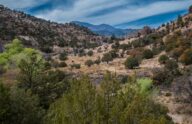
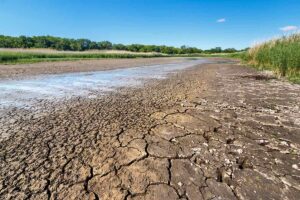
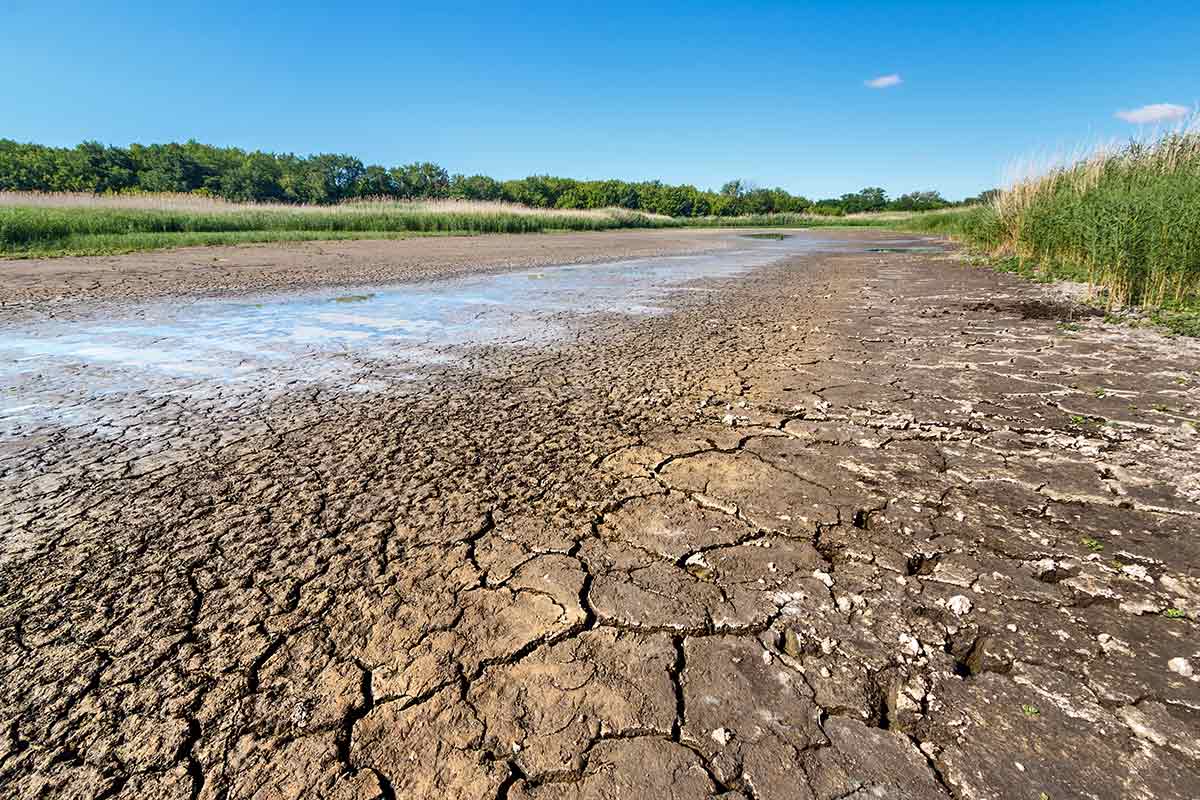
That is what is happening along California’s Santa Maria River. Although the federal government continues to classify the river as “occupied critical habitat” for the Southern California steelhead, the best available evidence shows the fish left the area in the 1940s. Much of the river remains dry throughout the year, and even seasonal flows lack the conditions necessary to support a viable steelhead population. Despite this, the National Marine Fisheries Service (NMFS) continues to regulate the area as “occupied critical habitat,” imposing substantial restrictions on the people who work and invest there to protect a nonexistent fish population.
This unwarranted regulation has come with a heavy cost. NMFS’s own analysis concluded that the Southern California steelhead habitat designations across California could have a negative economic impact of nearly $30 million annually.
Californian farmers and ranchers should not be forced to shoulder the cost of federal agencies’ refusal to acknowledge decades of data. Every resident of the United States depends on the country’s farmers. When overreaching government policies drive up the cost of operating—or threaten the ability to farm at all—every American pays the price.
If an area cannot sustain a species, the government cannot cite the Endangered Species Act to impose restrictions on it that hinder the productive use of land that provides food, jobs, and opportunity for millions of Americans.
That is why the Coalition of Labor, Agriculture & Business–Santa Barbara, the Santa Barbara County Farm Bureau, and the Santa Barbara County Cattlemen’s Association partnered with Pacific Legal Foundation to petition the National Marine Fisheries Service to follow both the evidence and the law by rescinding the Santa Maria River from the steelhead’s “occupied critical habitat” designation.
Removing this unsupported designation would allow farmers and ranchers to devote more resources to producing food, supporting local jobs, and stewarding their land. It would also enable conservation efforts to focus on places that genuinely matter to steelhead recovery. Human flourishing and environmental stewardship are not opposing goals. When the government follows the evidence, both can thrive.
What’s At Stake?
- America needs productive farms and ranches. Land that cannot sustain steelhead should not be burdened by restrictions that make it harder to grow food, raise livestock, and support rural communities.
- Conservation succeeds when agencies focus on habitat that benefits wildlife. Federal agencies can’t block the productive use of natural resources for a species that can’t survive in that area.
- Human flourishing and environmental stewardship go hand in hand. Sound environmental policy should encourage both healthy ecosystems and the productive use of land that provides food, jobs, and opportunity for millions of Americans.