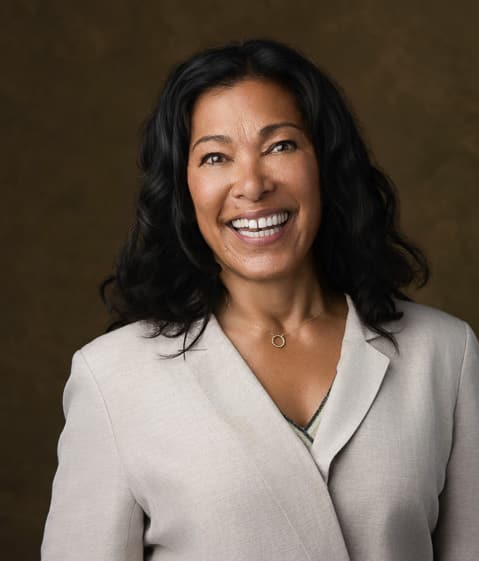


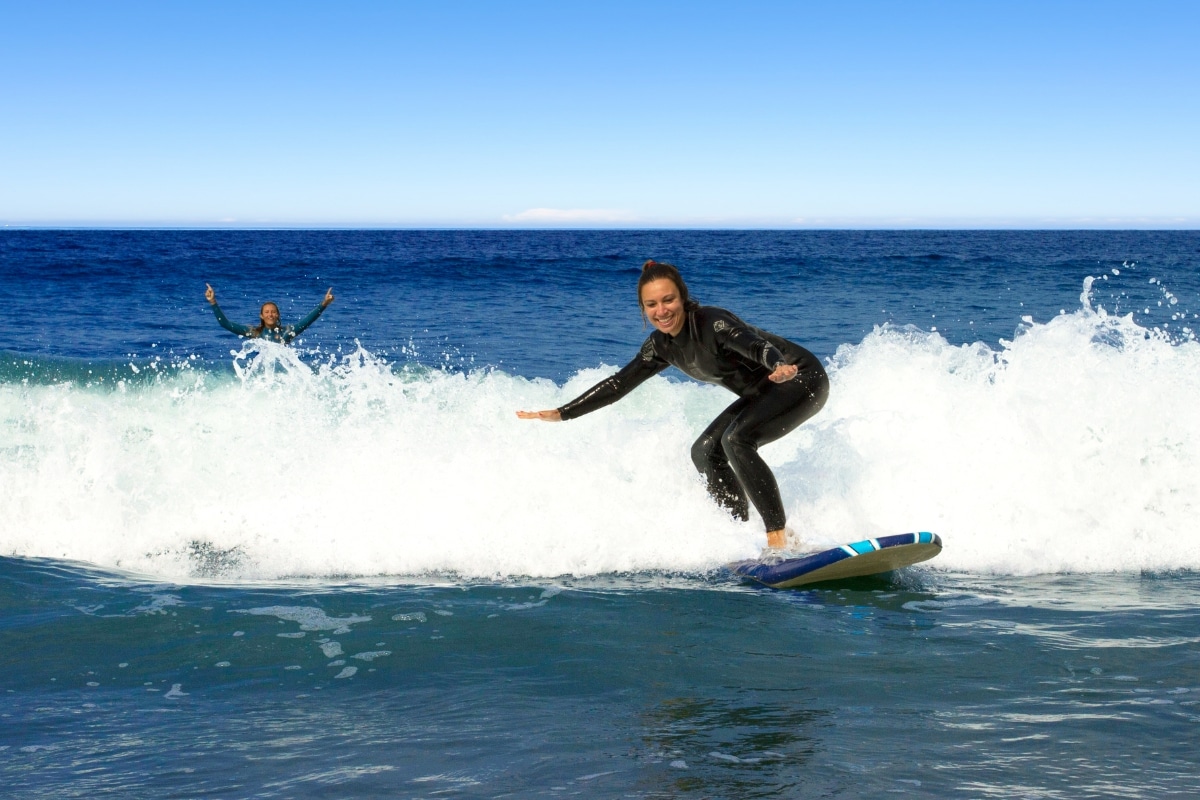
Helina Beck has been drawn to the ocean since she was eight years old, when her professional-surfer sister first taught her to ride waves in their hometown of Palos Verdes. By high school, she was competing on her school’s surf team and was teaching lessons during summer breaks.
After graduating with a psychology degree in 2013, Helina founded Wavehuggers LLC to use surfing as a medium for positive change in people’s lives. What started small has grown into a thriving business employing 12 regular instructors year-round—expanding to 30 during peak summer months—and offering individual and group surf lessons, kids’ camps, surf therapy programs, and beach cleanups across San Diego, Orange, and Los Angeles Counties.
These surf lessons are not merely a commercial service but also involve educational and therapeutic instruction. Over the years, Helina and Wavehuggers have taught more than 12,000 individuals how to surf.
But California’s Department of Parks and Recreation threatens to shut down Wavehuggers’ ability to teach on ideal beginner beaches in northern San Diego County. A regulation prohibits “soliciting” on state beaches without a contract with State Parks. Despite these beaches being large and perfect for instruction, the state has granted contracts to only two surf schools across Carlsbad, South Carlsbad, and Cardiff State Beaches in the past 17 years. Today, just one school holds a contract.
Despite multiple attempts since 2021 to obtain a contract, Helina has been rebuffed each time. The regulations provide no criteria for obtaining contracts, no appeals process, and no timeline for decisions. State Parks officials maintain complete discretion over who gets to teach on public beaches.
In March 2025, State Parks sent Helina a cease-and-desist letter for allegedly teaching paid lessons without a permit. The letter invited her to contact the same officials who had repeatedly refused her requests—a bureaucratic runaround that offered no real solution.
The state’s actions violate the First Amendment by restricting Helina’s ability to communicate through spoken instruction, demonstrations, and individualized guidance. The regulations also violate equal protection by creating arbitrary distinctions—instructors can teach large groups for free but need state contracts to teach even one person for payment.
Helina filed a federal lawsuit challenging California’s monopolistic system. She argues that the state cannot grant exclusive teaching privileges to favored businesses while denying others the right to earn a living through constitutionally protected instruction on beaches that belong to all Californians.
What’s At Stake?
- The government cannot force entrepreneurs like Helina Beck to surrender their First Amendment rights to teach and provide professional instruction as a condition for using public beaches.
- California cannot grant exclusive monopolies to select surf instructors while prohibiting others from teaching surfing on public beaches. The state must provide clear criteria and fair processes for obtaining permits rather than maintaining unbridled discretion over who can teach on state beaches.