

In 2016, the U.S. Fish and Wildlife Service designated a critical habitat for the New Mexico meadow jumping mouse. The area impacted is massive: 14,000 acres of land and 170 miles of streams across Arizona, Colorado, and especially New Mexico.
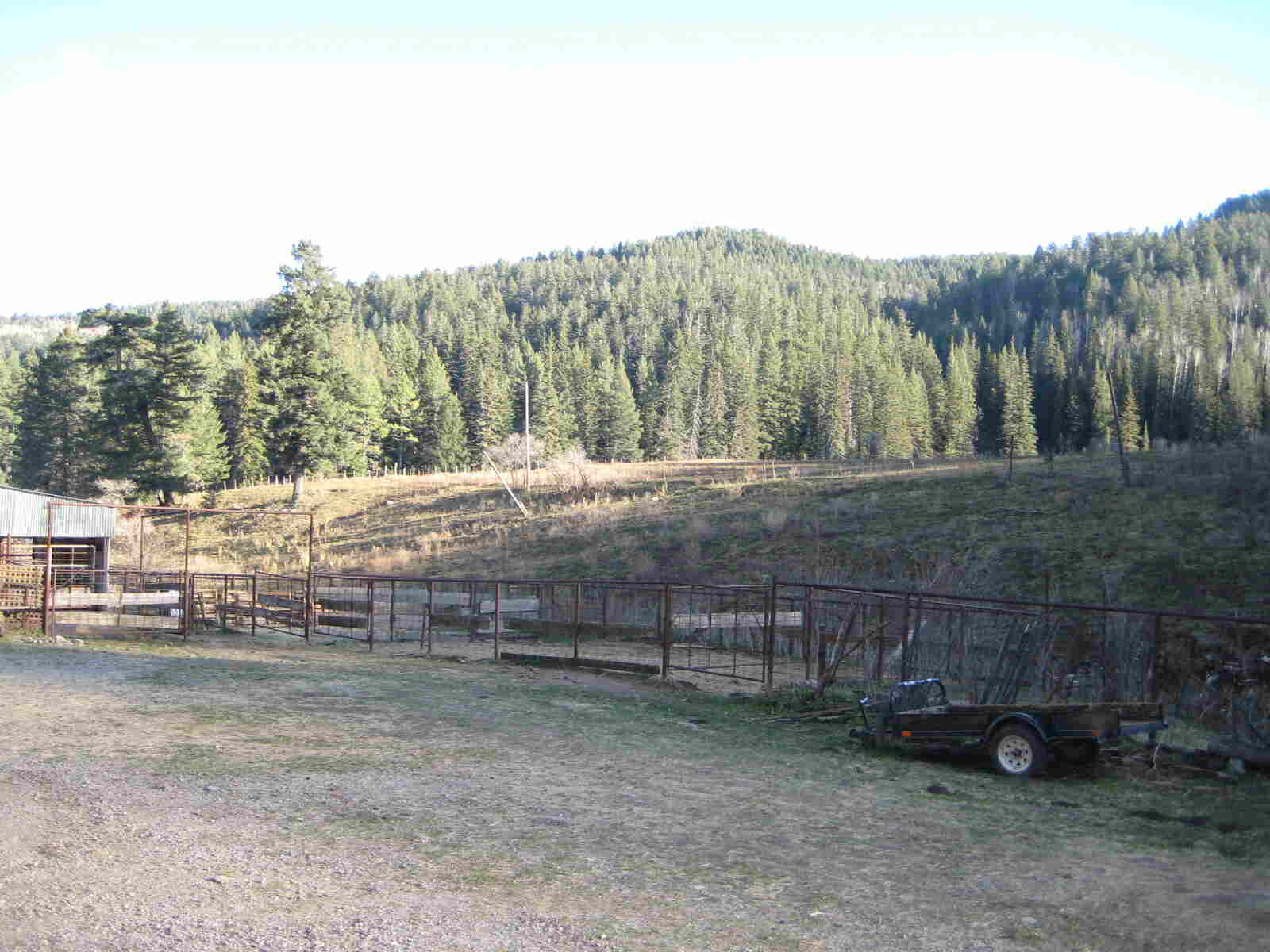
Ranchers–including many members of the Hispanic Ranching Families of New Mexico, whose histories date back 400 years to the North American livestock industry’s origins—depend on the land for their livelihoods. The critical habitat designation put their history and their livelihoods are at risk. Although these ranchers owned water rights for livestock grazing, the critical habitat designation threatened access to that water—even in places where the mouse can’t be found. Government employees warned that ranchers could have to reduce future cattle herds because of the critical habitat designation, and in Otero County, the U.S. Forest Service put up electric fences to prevent access to streams and creeks.
The Fish and Wildlife Service itself estimated the designation will lead to about $20 million in added regulatory costs. That’s a big enough burden for the ranchers. But because the agency didn’t follow its own rules, the actual costs are likely much higher.
The Fish and Wildlife Service is bound under the Endangered Species Act to consider all economic impacts of critical habitat designations, then weigh the benefits of excluding certain areas. When it came to the jumping mouse, the Fish and Wildlife Service simply ignored that requirement—and federal law. It didn’t assess the supposed benefits of roping off so much land for the mouse. Instead, the Fish and Wildlife Service devised a flawed economic analysis that, even if true, indicates that their critical habitat designation will still devastate New Mexico ranchers.
Federal regulators cannot ignore congressional directives when making decisions based on existing laws. When they do, those decisions can and should be nullified by courts. The United States Supreme Court reaffirmed that principle through Pacific Legal Foundation’s victory in Weyerhaeuser v. United States Fish and Wildlife Service.
Represented at no cost by PLF, the Northern New Mexico Stockman’s Association and the Otero County Cattlemen’s Association filed a federal lawsuit urging the court to apply this principle and hold agencies accountable to the rule of law.
After the district court ruled in the agency’s favor, the ranchers filed an appeal. The case concluded in April 2022, when the U.S. Court of Appeals for the Tenth Circuit upheld the lower court’s dismissal.
What’s At Stake?
- The Fish and Wildlife Service ignored Congress as well as case law in failing to analyze all costs associated with designating a critical habitat for an endangered species.
- The Fish and Wildlife Service’s illegal critical habitat decision threatens the livelihood of New Mexico ranchers, some of whose herds have grazed on the land for over 400 years.