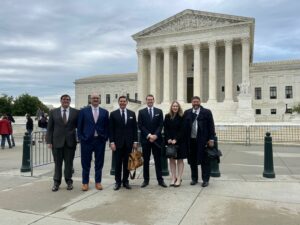


The Supreme Court’s 2023 decision in Sackett v. EPA (Sackett II) marked a sea change in the federal government, resolving one of the nation’s greatest property rights injustices.
This ruling, Sackett II, not only cleared the way for PLF clients Chantell and Mike Sackett to build on their Idaho land without having to beg for a prohibitively expensive Clean Water Act permit. It also drastically limited the regulatory reach of agencies like the EPA and Army Corps of Engineers. The Court affirmed that federal regulation under the Clean Water Act extends only to traditionally recognizable bodies of water—like rivers, lakes, and streams—that are relatively permanent and continuously flowing. In other words, a “water” should be obviously water. “Wetlands”—which are not traditionally recognizable “waters”—may only be regulated incidentally to such bodies of water. Thus, federally regulated wetlands must have a continuous surface water connection to, and be indistinguishably part of, a body of water.
Yet the EPA and Army Corps ignored the Supreme Court and continued to assert broad federal authority over enormous areas of private land in every corner of the country—even in Bonner County, Idaho, the very birthplace of Sackett II.
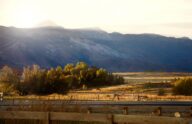
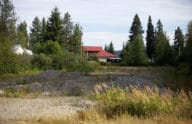
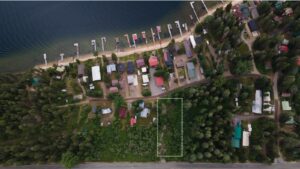
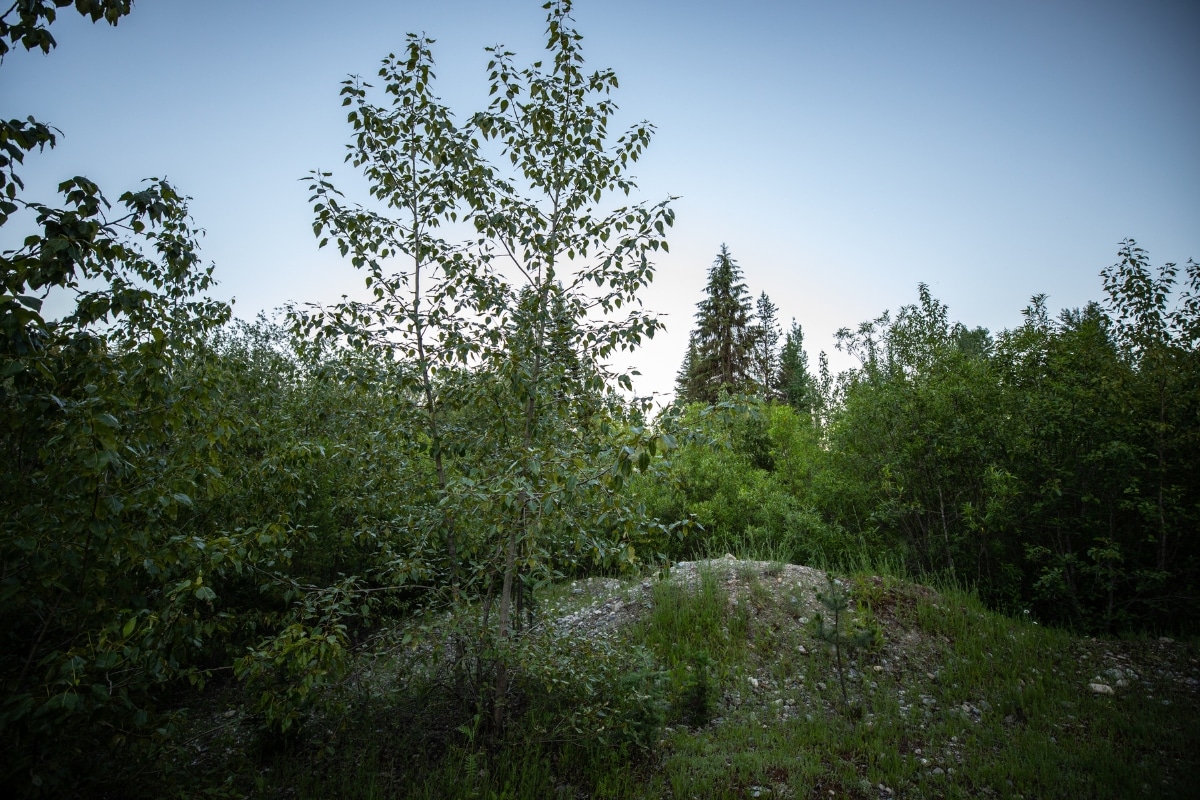
Rebecca and Caleb Linck are the owners of a small, 4.7-acre parcel in Bonner County. Caleb grew up nearby, and the land has been in his family for over four decades. Caleb and Rebecca’s dream is simple: to live quietly on their property and, one day, use the land for agricultural purposes.
When the Lincks hired a wetlands consultant to ensure compliance with the Clean Water Act, they had no reason to expect trouble. Their lot is about one mile from a stream and roughly two miles from a lake and contains no land features subject to federal regulation, especially in the wake of Sackett II’s ruling.
Nevertheless, the Army Corps of Engineers still claimed authority over 1.13 acres of purported wetlands on their property. The Corps concocted a convoluted “wetland complex” theory, claiming wet areas of the Lincks’ land are somehow connected to another alleged wetland—even though there is a 35-foot-wide gravel road with no culverts between them. The purported wetland on the other side of the road then supposedly touches a small stream, which eventually reaches a navigable waterway. It was only by combining portions of the Lincks’ property with the larger, separated wet area that the Corps was able to assert authority.
The parallels were striking—and damning for the Corps. Both the Lincks’ and Sacketts’ properties are in the same Idaho county, both are physically separated from larger alleged wetlands by roads, and agencies in both cases relied upon a fabricated “wetland complex” theory to assert authority.
The Trump administration recognized this defiance and issued guidance limiting regulation to wetlands as the Supreme Court spelled out in Sackett II. Yet the Corps continued ids overreach with a bureaucratic sleight of hand that willfully and directly flouted the nation’s highest court and violates the Lincks’ right to use their own land.
Federal agencies must follow the law. If regulators can use administrative gymnastics to avoid judicial checks on their power, no one’s private property is safe. The Lincks’ battle was one in a growing slate of PLF cases seeking to ensure Sackett II has the teeth intended by the Supreme Court to keep the executive branch of government where it belongs: within the Constitution’s separation of powers.
Represented at no charge by Pacific Legal Foundation, Rebecca and Caleb fought back to restore their right to make productive use of their own land, and to ensure federal agencies finally follow the Supreme Court’s clear ruling in Sackett.
On December 2, 2025, the Lincks celebrated a legal victory after an Army Corps of Engineers appeals official ruled that agency staffers wrongly claimed federal control of their property.
What’s At Stake?
- The Supreme Court clearly recognized the Clean Water Act’s limits in Sackett II. Agencies cannot flout Supreme Court precedent by pursuing landowners like the Lincks.
- If unelected bureaucrats can ignore the limits of the law, then no landowner is safe from arbitrary and unlawful federal regulation.