

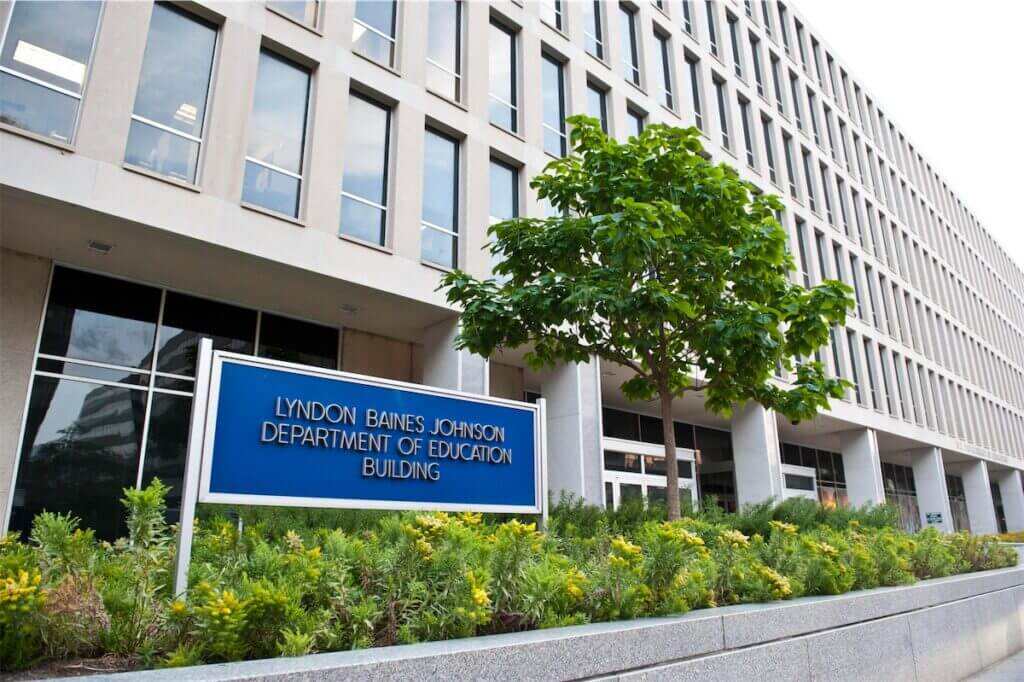
Garrison v. U.S. Department of Education
Fighting lawless student loan cancellations to restore separation of powers
Pacific Legal Foundation filed the nation’s first lawsuit challenging the Education Department’s unacceptable abuse of executive authority to restore the rule of law and to enforce the Constitution’s separation of powers.
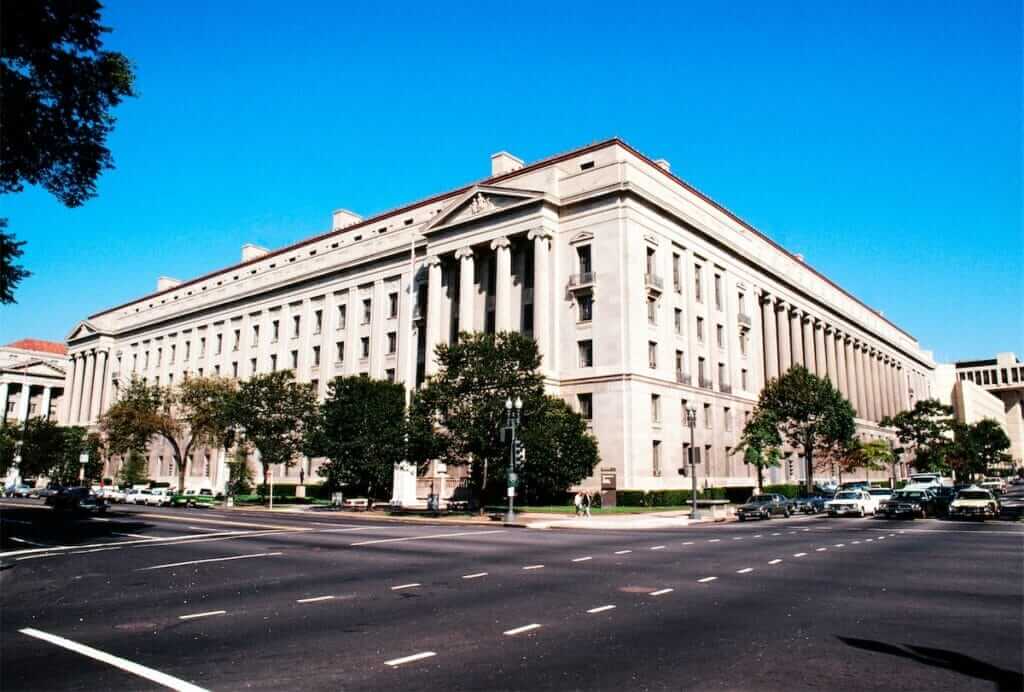
John Doe et al. v. U.S. Dept. of Justice et al.
DOJ’s unconstitutional registry rules trap some Californians in a bind
Federal judge blocks SORNA prosecutions of Californians with expunged convictions, ruling the AG's registration rules violate due process guarantees.
CFPB v. Townstone
Small lending firm fights the CFPB’s illegal power grab and violation of First Amendment rights
Barry Sturner is a long-time Chicagoan who loves the Windy City and wants to see it thrive. He sees the work of his small mortgage brokerage, Townstone Financial, Inc., as lifting up both the city and its residents through home ownership.The federal Consumer Financial Protection Bureau (CFPB) views Barry and his business in a much more troubling manner: through the lens of race. As part of an effort to combat “systemic racism,” the agency is using powers it doesn’t have to prosecute firms like Townstone. Targeted companies find themselves forced into a choice between caving to the agency’s demands or betting the company on a lawsuit to fight back.

Duke Bradford, et al. v. Secretary Julie A. Su, et al.
Outdoor adventure guides battle the president’s unlawful workplace power grab
Duke Bradford grew up in Nebraska, attended the University of Nebraska-Lincoln, and had law school in his sights. But the pull of Colorado’s mountains where he skied once a year as a child was stronger. His two seasons as a snowmobile guide and ski patroller sparked the idea for a rafting company, and in 1998, Duke opened Arkansas Valley Adventures (AVA).
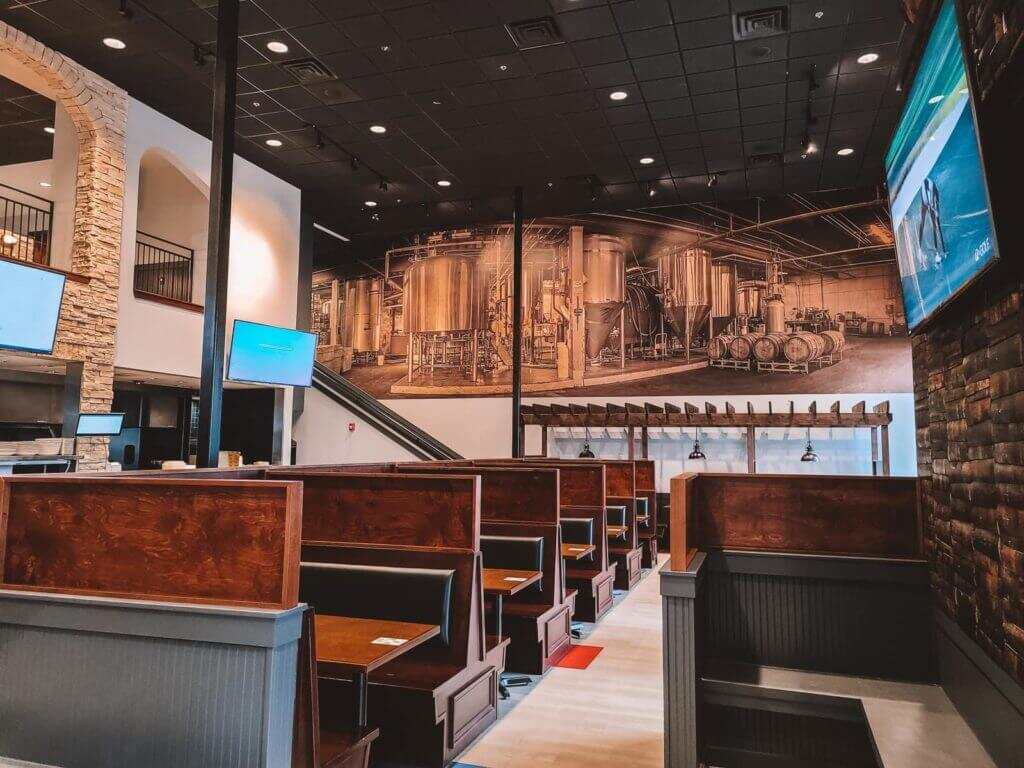
Goodwood Brewing Company, LLC v. Beshear
Kentucky restaurants challenging Governor Beshear’s never-ending emergency powers
Since the pandemic began a year ago, Kentucky Governor Andy Beshear has used his emergency powers to unilaterally enact COVID-19-related policies. In February, the legislature overwhelmingly voted to rein in his authority, passing three bills to limit the governor’s use of pandemic-related emergency orders. Gov. Beshear immediately filed suit, claiming these new laws unconstitutionally interfere with his broad emergency authority. While the governor attempts to ignore the constitutional separation of powers, local businessowners are paying the price, struggling to keep up with the ever-changing restrictions impacting their financial livelihoods. Several local breweries and restaurants are now challenging the governor’s enforcement of COVID-related orders which under the new legislation have expired.

Skyworks Ltd. v. Centers for Disease Control; Chambless Enterprises, LLC v. Centers for Disease Control
Fighting the CDC’s national eviction ban to restore separation of powers
In September 2020, the Centers for Disease Control and Prevention (CDC) adopted an order that prohibited certain evictions for non-payment of rent. However, in its haste to enact and enforce a national eviction ban, the CDC overstepped its lawful authority by exercising legislative power reserved to Congress, and it did so at the expense of struggling landlords who often depend on rental income to make ends meet. PLF filed two lawsuits on behalf of landlords in Ohio and Louisiana. Skyworks vs. CDC ended in victory with the first judicial opinion setting aside the eviction moratorium for lack of statutory authority. Chambless v. CDC was favorably resolved after the U.S. Supreme Court agreed with our claims and ruled the CDC’s eviction ban unlawful.

Ramirez et al. v. Lamont et al.
Connecticut nail salon owner fights for fair treatment under “shutdown” orders
In early March 2020, Luis Ramirez closed his Hartford, CT, nail salon, following Gov. Ned Lamont’s executive orders for statewide shutdown due to the COVID-19 pandemic. Luis and his wife, Rosiris, have since struggled to earn income and pay rent on their salon. When Luis and Rosiris thought they’d be able to reopen on May 20, they scraped together $800 to comply with the necessary precautions to safely serve customers. But the state, under the unlawful authority of the governor, inexplicably pushed back nail salons’ reopening to June 17—or later—despite allowing hair salons to open on June 1. Represented by PLF free of charge, Luis and Rosiris are fighting back in a lawsuit against the governor’s unconstitutional power grab that’s robbing them of their right to responsibly open their business.