



H&H Real Estate, LLC v. City of Petaluma, CA
Sausage Slingers stand up against government overreach after City bans all parking and driving on their lot
The sisters' lawsuit argues that cities cannot use legal gamesmanship to prevent residents from accessing the courtroom and seeking justice.

Western Manufactured Housing Communities Association et al. v. City of Santa Rosa, CA
California property owners challenge City’s abuse of emergency orders to drive City-controlled rents even lower
A group of California mobile home park owners challenged the City’s actions as a violation of state law and threat to property owners’ rights.

Brinah Milstein et al. v. City of Los Angeles et al.
Los Angeles can’t force homeowners to foot the bill for public monuments
If the government wants a public monument, it must pay for one—not force private homeowners to foot the bill. The City of Los Angeles is no exception.

State of Hawaii v. Williams
State claims Hawaii man owes $1.5 million for the taking of his own land
In July 2025, after a nearly thirteen-year odyssey through Hawaii’s trial and appellate courts, Don Williams secured a major victory.
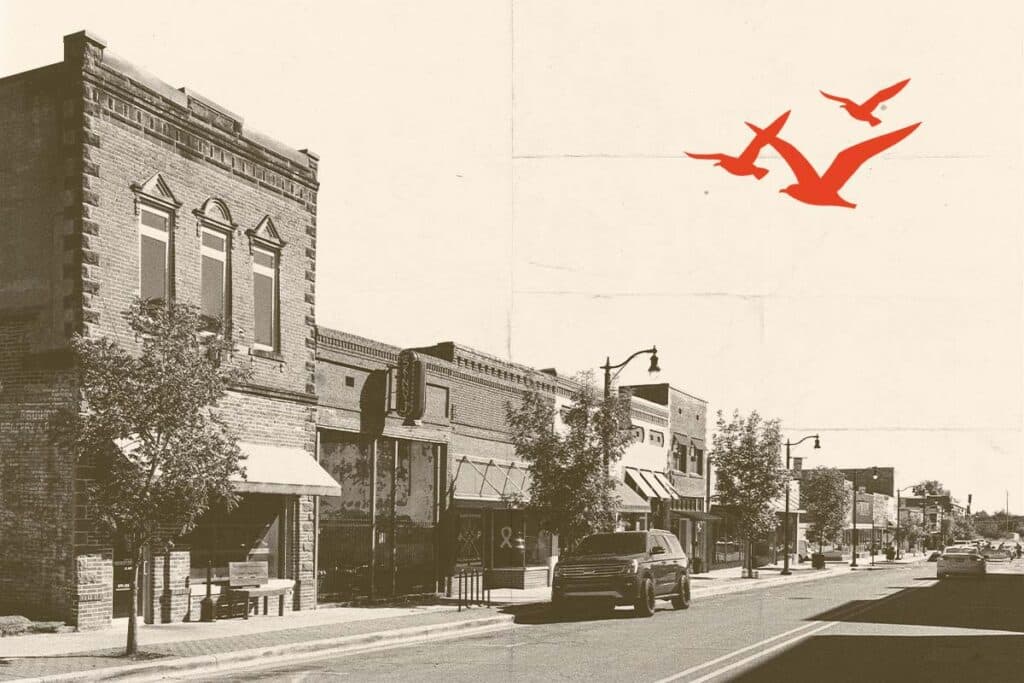
BAS, LLC, et al. v. Tommy Land
California brothers challenge Arkansas’ claim that states can take private property without paying
Sovereign immunity is not the silver bullet the State of Arkansas claims. Under decades of legal precedent, the government’s constitutional obligations to citizens qualify as “waivers” of sovereign immunity, meaning citizens do not have to wait for the government to give them permission to sue over a violation of their constitutional rights. These “waivers” include the government's obligation to pay you when they take your property.

Haney v. Town of Mashpee, Massachusetts
Man sues Massachusetts town for right to build home on his own island
Matthew Haney is suing the town of Mashpee, Massachusetts, for the right to build a home on his own island.

Lathfield Investments, LLC v. City of Lathrup Village
Property owners ask Supreme Court to clarify process for constitutional claims
The City of Lathrup Village requires property owners to obtain a landlord license before renting space, and the city refuses to issue a license unless the owner first discloses the names and principal businesses of every occupant. That’s not a typical requirement—it isn’t about fire safety, zoning, or health standards. Instead, it forces property owners to share private contractual information with city officials.

SCLS Realty, LLC and Sixty Three Johnston, LLC v. Town of Johnston, RI
Government heist derails affordable housing hopes in Rhode Island
SCLS and Sixty Three Johnston are fighting back with a federal lawsuit to protect the rights of all property owners to use their land to serve important public needs—like affordable housing for families in Rhode Island and nationwide.
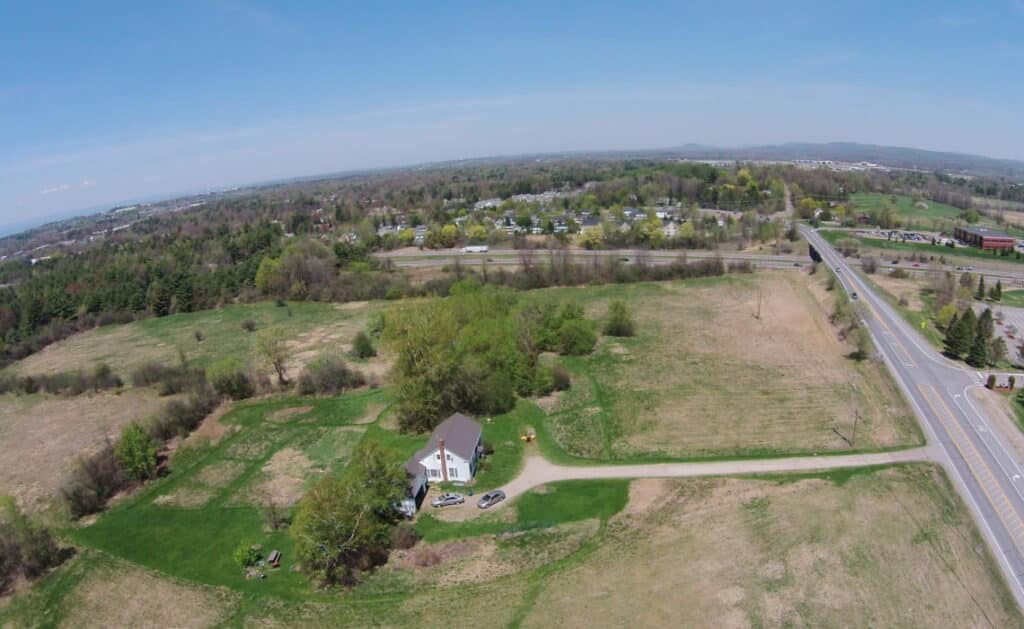
835 Hinesburg Road, LLC v. South Burlington
Fighting to open courtroom doors to property takings claims
With their property rights relegated to second-class status, Jeff Nick, along with his son Ryan, and Jeff Davis are fighting back. Represented at no charge by Pacific Legal Foundation, they’re appealing their case’s unjust dismissal to ensure federal court access for takings claims and ultimately the right to productively use their property.