

South Carolina Department of Environmental Services v. Reddy
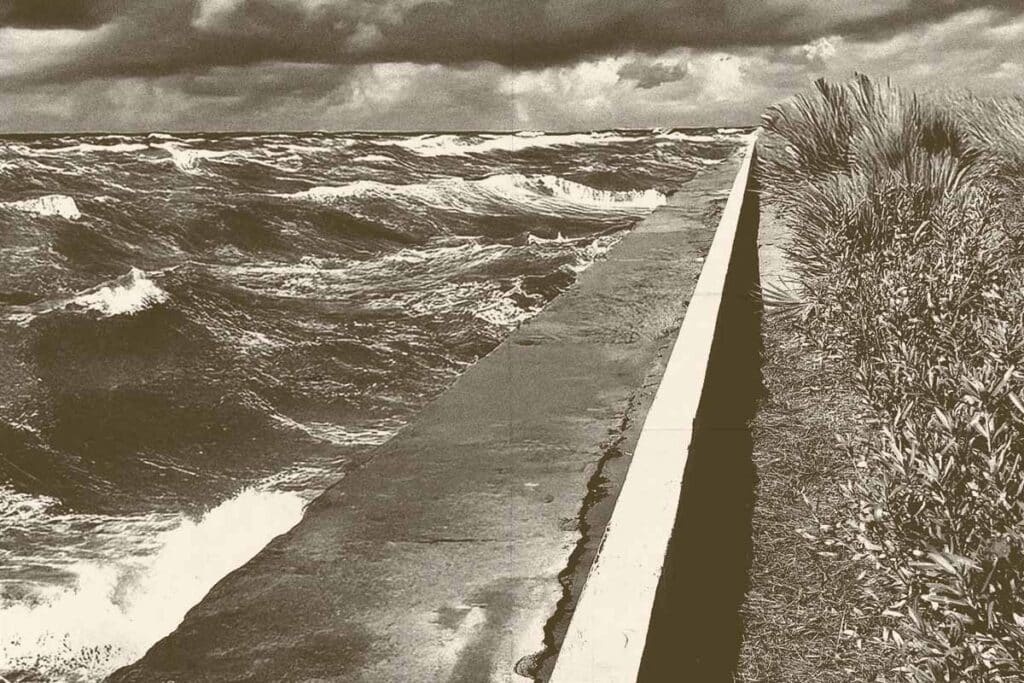
Homeowner stands up to government agency’s demand that he destroy seawall
Represented by Pacific Legal Foundation, Rom filed an appeal with the South Carolina Court of Appeals to challenge the agency’s attempted power grab. He argues that the DES cannot claim power to act outside the scope of its jurisdiction and asks the court to overturn the agency’s demand that he destroy his seawall.

John Morgan and Melinda Morgan v. Doug Ito
California bans siblings from accessing resources in their mineral estate
California ban on new oil drilling strips private property of all economic use, requiring just compensation.

Boston Parent Coalition II
Parents fight discrimination-by-proxy at Boston’s elite public schools
Boston Parents are again fighting back with a federal lawsuit, armed this time with evidence of disparate impact and signals of an appetite among Supreme Court justices to decide the fate of government-sponsored discrimination-by-proxy once and for all.

First Supply, LLC v. Caruana
Illinois county illegally seized truck, held it for over a year
In April 2025, First Supply filed a lawsuit against Winnebago County Sheriff Gary Caruana and State’s Attorney J. Hanley for violating First Supply’s Fourth and Fourteenth Amendment property rights.

Coalition for Fairness in Soho and Noho, Inc. v. New York City
New York City defies Supreme Court, leverages zoning to extort six-figure “arts” fees from pioneering artists
The Coalition for SoHo-NoHo and a group of homeowners is protecting the constitutional principle affirmed in Nollan, Dolan, Koontz, and Sheetz: Governments cannot force residents to pay exorbitant sums of money for problems they do not create.

Sanchez v. Torrez
New Mexico landowners defend property rights from state-sanctioned trespassing
The U.S. Supreme Court’s 2021 decision in Cedar Point Nursery v. Hassid made it clear that the government cannot force property owners to allow public trespassers on their private land without just compensation. Doing so is an unconstitutional property taking, even if the private land in question happens to be a streambed.
835 Hinesburg Road, LLC v. South Burlington
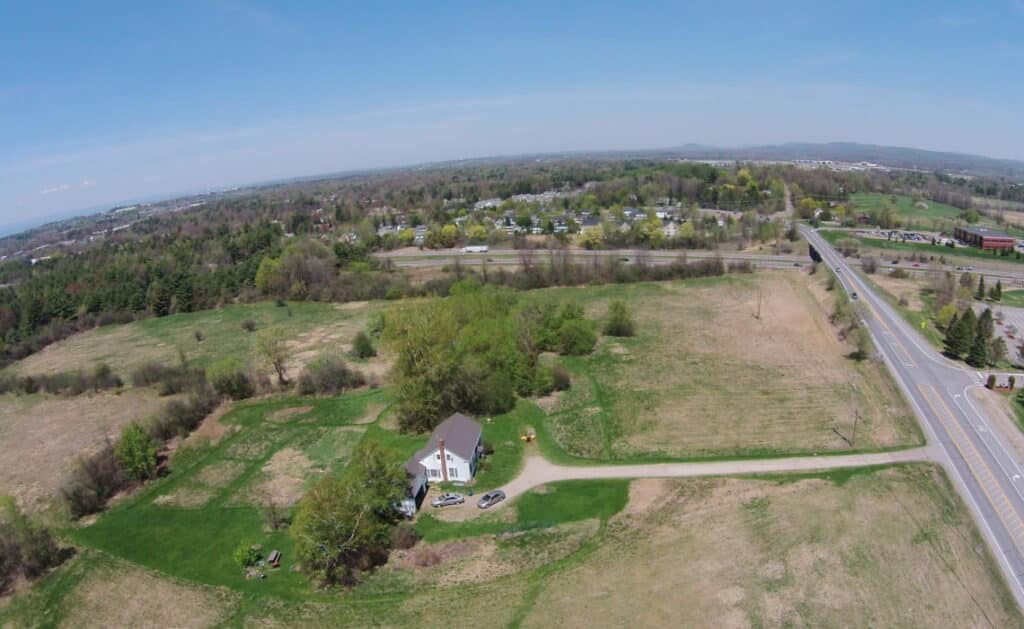
Fighting to open courtroom doors to property takings claims
With their property rights relegated to second-class status, Jeff Nick, along with his son Ryan, and Jeff Davis are fighting back. Represented at no charge by Pacific Legal Foundation, they’re appealing their case’s unjust dismissal to ensure federal court access for takings claims and ultimately the right to productively use their property.

Boston Parent Coalition I
Parents fight discrimination-by-proxy at Boston’s elite public schools
The coalition is appealing for equal opportunity for all students to compete now, and to prevent similar discriminatory policies in the future.
McKinney v. Vilsack
Race-based COVID-19 farm loan forgiveness denies equal treatment to Texas farmer
Jarrod McKinney began his farming journey about eight years ago with help from a federal loan for beginning farmers. Like many farmers in the Texarkana region, Jarrod raises cattle, tending today to 60 pairs. Like many farmers facing economic hardship in the pandemic’s aftermath, Jarrod was hopeful when he heard about a farm loan forgiveness provision included in recent COVID-19 legislation. His hope turned to disappointment, however, when he learned he is not eligible for the federal program—because he’s white. Now, he’s fighting for equal treatment for all farmers in a federal lawsuit.