


John Carbin v. Town of Savoy, Massachusetts
Certified to fix jet engines, barred from fixing his own house
John Carbin asks the Supreme Court to review a Massachusetts law that bans homeowners from doing their own plumbing, raising key constitutional questions.

Michael Pung v. Isabella County
County seizes family home over tax bill that was never owed
The Supreme Court will decide whether Scott Pung’s heirs are entitled to the equity they had in their longtime family home.
Sheetz v. County of El Dorado
Supreme Court rules against extortionate permit fees
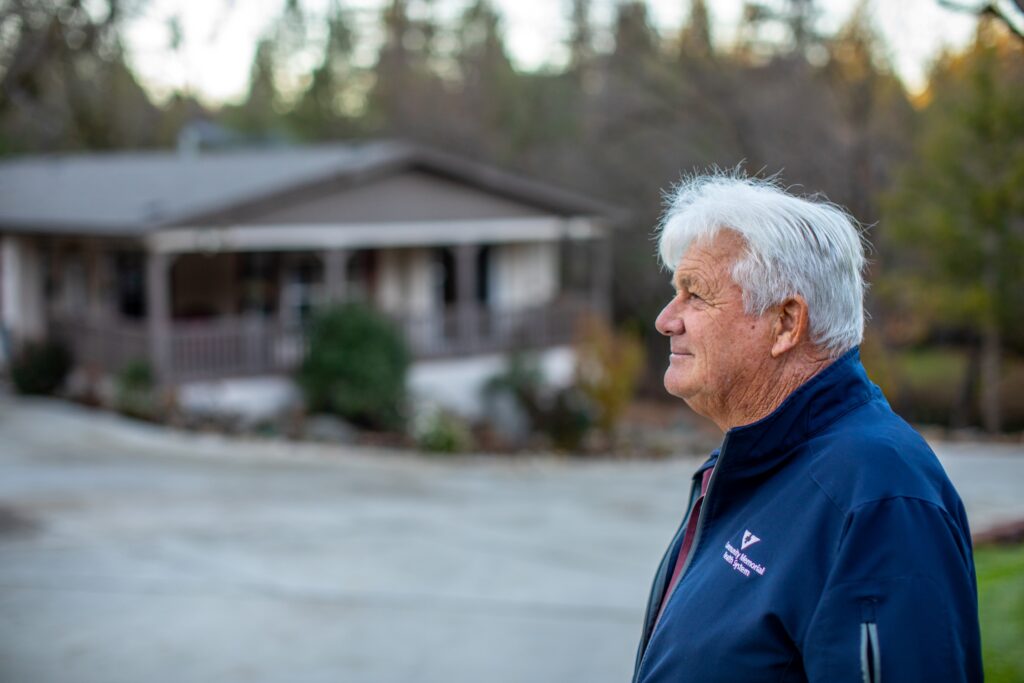
Once his land was ready and all George needed was a county building permit, he was stunned when told he could have his permit, but only if he paid a so-called traffic impact fee of more than $23,000. George weighed the immense cost against the hard work he put into his land and his yearning for a retirement home, and he paid the fee under protest. The County ignored his protest, so George sued, arguing the fees constituted an unconstitutional permit condition under three Supreme Court decisions—including two PLF victories.
Sackett v. Environmental Protection Agency
Supreme Court limits Clean Water Act abuse in victory for property owners
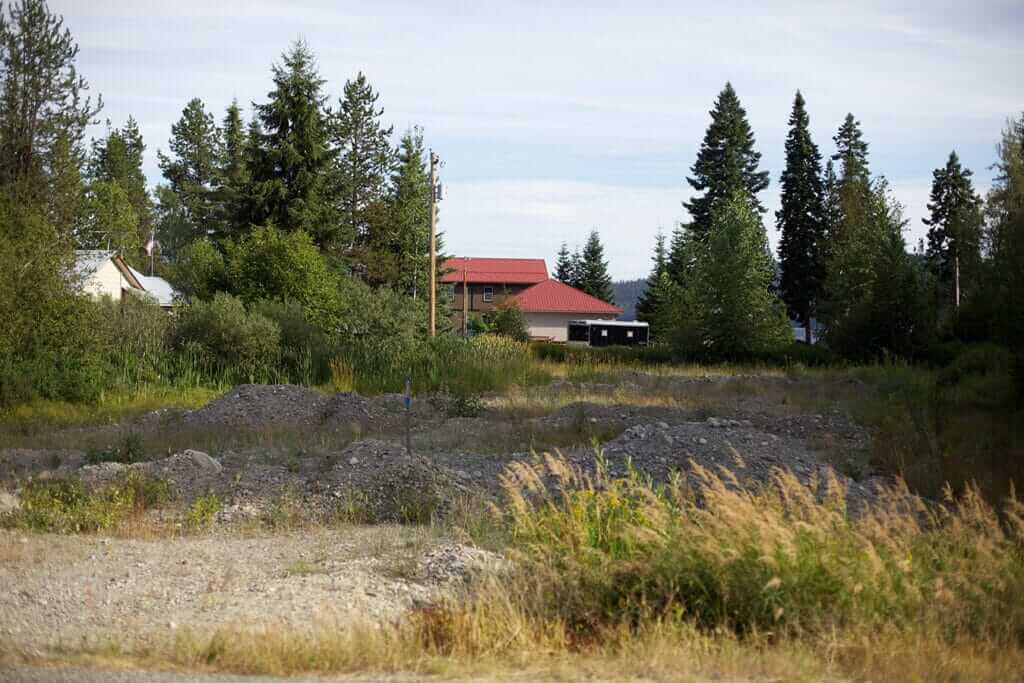
One of the longest-running legal battles in the history of the Clean Water Act doesn’t involve mega-polluters dumping toxic chemicals into America’s major rivers and lakes. Rather, it involves a couple who wanted to build a home on less than an acre of land in a residential neighborhood. And now, that case could have ramifications for property owners around the country.
Tyler v. Hennepin County
Victory! Supreme Court declares home equity theft unconstitutional
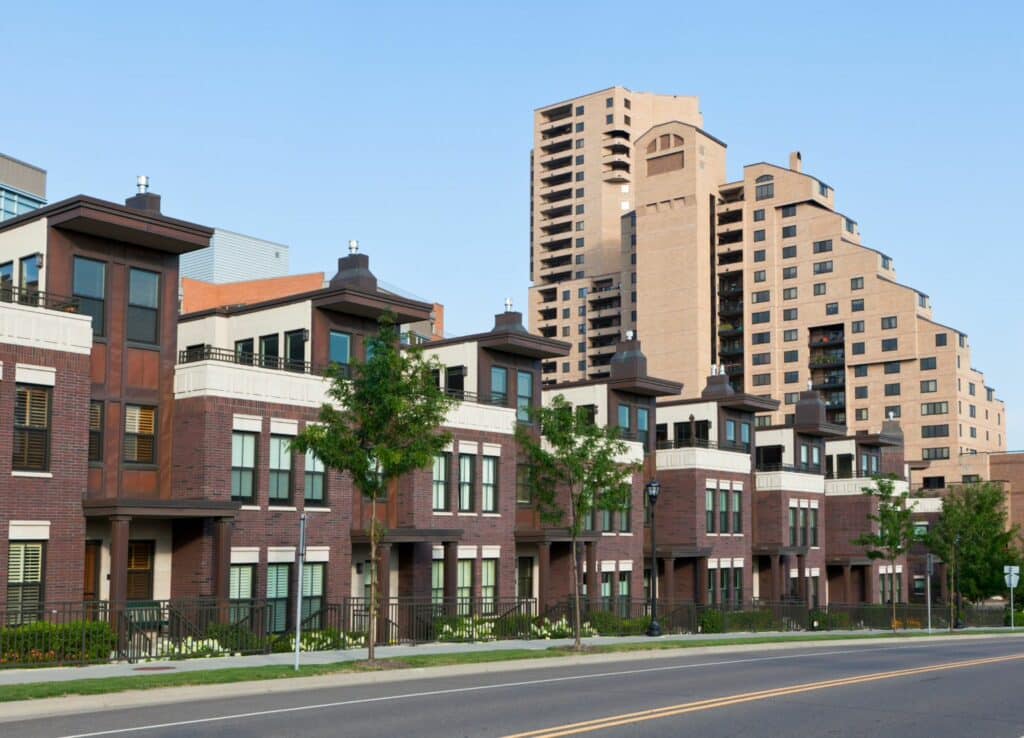
On May 25, 2023, the Supreme Court announced a unanimous decision in favor of Geraldine, ruling that home equity theft violates the Takings Clase of the Fifth Amendment. The Court explained that property rights are fundamental and cannot be erased by a state statute that redefines them out of existence. “The taxpayer must render unto Caesar what is Caesar’s,” Chief Justice John Roberts wrote in the decision, “but no more.”

Cedar Point Nursery v. Hassid
Supreme Court affirms property rights for California fruit growers
Cedar Point Nursery and Fowler Packing Company are California growers that produce fruit for millions of Americans. Collectively, they employ around 3,000 Californians. In 2015, the United Farm Workers (UFW) viewed the workers as ripe for the picking and sent union organizers to storm the workplaces during harvest time to encourage them to unionize. Even though property owners have a right to exclude trespassers, the state’s Union Access Regulation takes an easement that allows these union organizers to enter a business’s private property three hours a day, 120 days a year. The businesses asked the U.S. Supreme Court to invalidate California’s unlawful regulation and affirm that government can’t allow unions to invade private property and disrupt commercial operations without paying compensation for a property taking. On November 13, 2020, the Supreme Court announced that the justices would hear the case.
Wilkins v. United States
Government bait-and-switch tramples on property rights and peace of mind
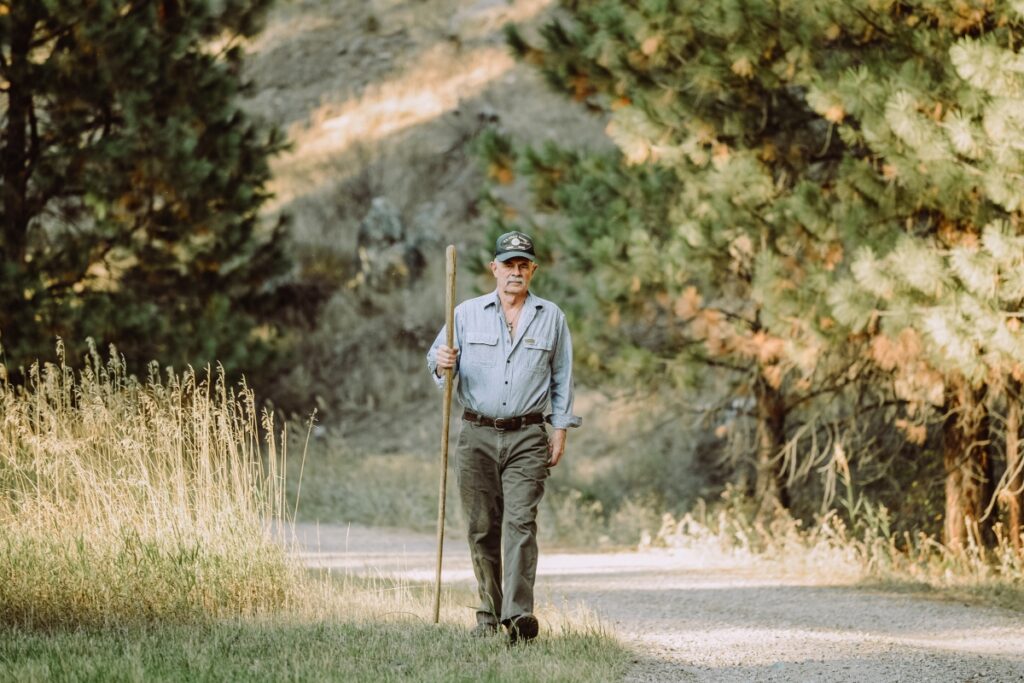
Wil Wilkins and Jane Stanton live next to Montana’s Bitterroot National Forest. A road that crosses both of their properties is the result of a limited-use easement granted to the U.S. Forest Service by the properties’ previous owners in 1962. The general public is not supposed to use the road, but in 2006 the Forest Service began advertising the road as public. Since then, public use of the road has caused serious traffic hazards, road damage, fire threats, noise, trespassing, illegal hunting, and speeding, as well as a gunshot aimed at Wil’s cat. Because the Forest Service is essentially trying to gain a better easement than it paid for back in 1962, Wil and Jane are fighting back.

Pakdel v. City and County of San Francisco
Government can’t force tenants for life
Mr. Pakdel is a small business owner in Ohio. In 2009 he bought what’s known as a “tenancy in common” (TIC) apartment in San Francisco and leased it to a residential tenant. As part of the purchase, Pakdel signed an agreement with the other owners to convert the building’s six units into condominiums. But the City of San Francisco requires that property owners doing this conversion must offer lifetime leases to any tenants. Rather than allow the city to trample his property rights by dictating the use of his own property, Pakdel is fighting the unconstitutional mandate in federal court.

National Association of Manufacturers v. Department of Defense
Unanimous U.S. Supreme Court victory for PLF and property rights
In 2015 PLF challenged the Environmental Protection Agency’s proposed rule to stretch federal control to nearly every pond, ditch, and puddle in the nation as nothing more than an outrageous—and illegal—power grab under cover of the Clean Water Act. And under the Act, people who are harmed by such rules have six years to sue in federal district court. That is, until the EPA rewrote the rule, trying to prevent legal action by giving property owners just 120 days to sue, and then only in federal appellate courts. On January 22, 2018, the U.S. Supreme Court rejected the EPA’s power play and unanimously ruled for PLF and property rights. The High Court agreed with PLF that the EPA cannot shelter its “waters of the United States” rule from judicial review by arbitrarily limiting where victims can sue.